The longer I paint, the less I find myself thinking about paintings as objects.
What interests me is something far more difficult to describe: the quiet relationship that can develop between a work of art and the person who lives with it.
Our perception of the world is never fixed. It changes throughout our lives, shaped by experience, memory, loss, curiosity, and time itself. We begin to notice things that once escaped our attention, and what seemed familiar gradually acquires new meaning. I have come to believe that the most enduring works of art participate in this process. They do not simply occupy a wall or decorate a room. They become part of the way a person continues to see.
This understanding shapes every aspect of my practice.
When I choose a pigment, build a painting through successive translucent layers, or spend time testing the long-term behaviour of materials, I am not pursuing technical perfection for its own sake. These decisions exist for a single reason: to create paintings capable of living well over time. Paintings that preserve the depth of their colour, the integrity of their surface, and the atmosphere from which they emerged, allowing them to remain present across decades rather than moments.
Yet permanence, to me, has never been only a material question.
What fascinates me most is that a painting can remain physically unchanged while revealing something entirely different to the same person years later. The canvas has not altered. The pigments have not altered. What has changed is the life of the viewer. New experiences reshape perception, and the relationship between the work and the person quietly continues to evolve.
Perhaps this is why I have never thought of a painting as complete when it leaves the studio.
Its real life begins elsewhere: in the changing light of a home, in everyday routines, in conversations, in silence, and in the gradual accumulation of memories that no artist could ever anticipate. A painting becomes woven into the rhythm of another life, carrying meanings that neither its maker nor its first viewer could have predicted.
Alongside my studio practice, I write about perception, visual culture, and the experience of living with art. Through my Journal, I explore questions that continue to shape my work: why seeing is different from looking, how paintings acquire meaning over time, why certain works accompany people throughout their lives, and what allows art to remain culturally and emotionally alive across generations.
I do not think of painting and writing as separate activities.
Both are part of the same ongoing inquiry into the relationship between art, time, and human perception.
If there is a single idea that defines my work, it is this: a painting should not simply be seen. It should continue to live with the person who returns to it, quietly becoming part of the way they understand the world.
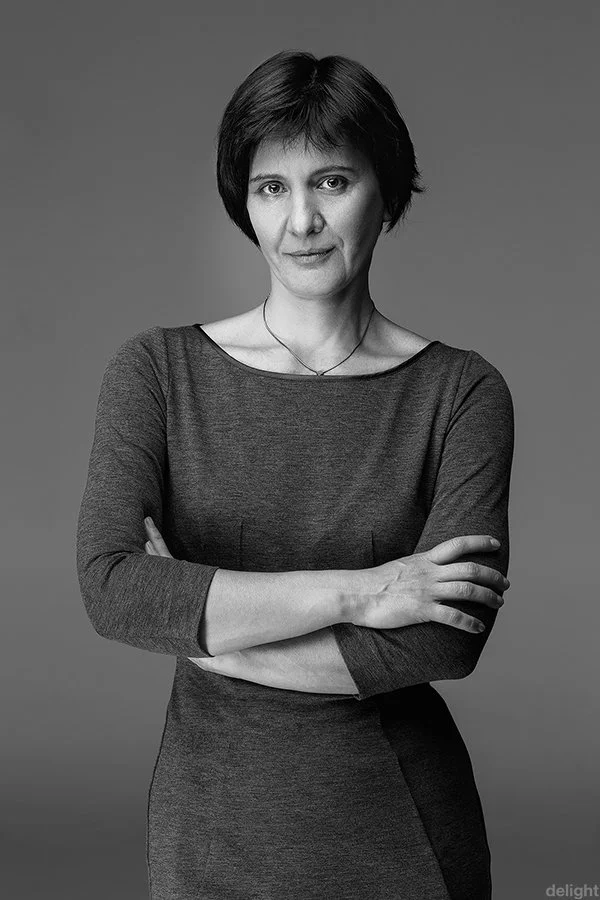
Looking for a Painting to Live With?
Choosing a painting is rarely about filling an empty wall. It is about finding a work that will become part of your daily life for years to come.
Share a few details about your space, and I will personally recommend works that may resonate with you.