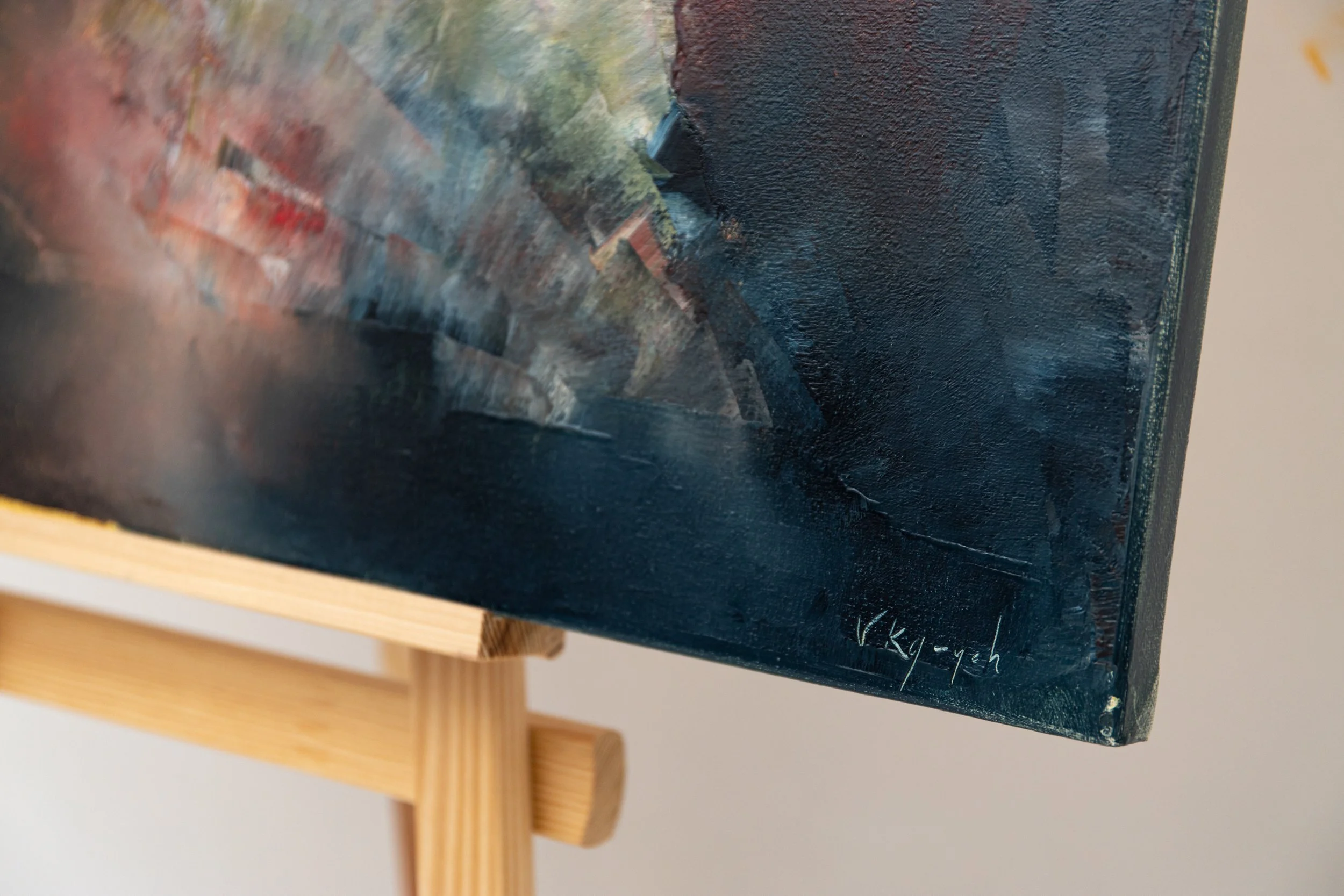
When Recovery No Longer Means Return
What does recovery mean when returning to an earlier state is no longer possible? Beginning with Embers of Resilience (2021), Veronika Kyrychenko reflects on climate change, environmental memory, and the traces that remain within landscapes long after the event itself has ended.
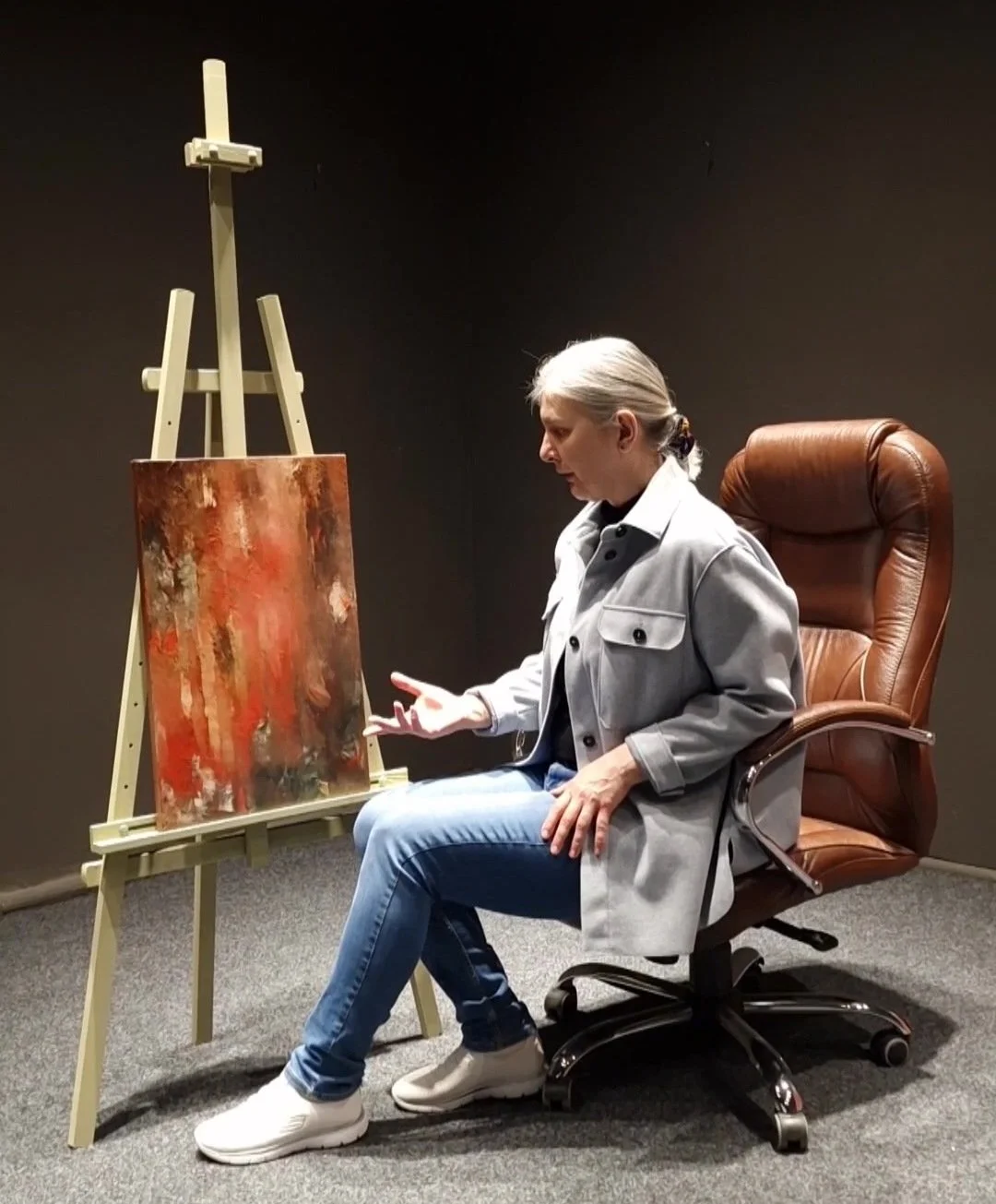
The Art Market Is Not Recovering. It Is Changing Its Routes
The art market is growing again, but it is not returning to its old structure. Collectors are moving closer to artists, galleries are becoming more disciplined, and the routes between discovery, trust and purchase are multiplying. This essay looks at what the latest data really suggests: the market is not simply recovering - it is redrawing its map.
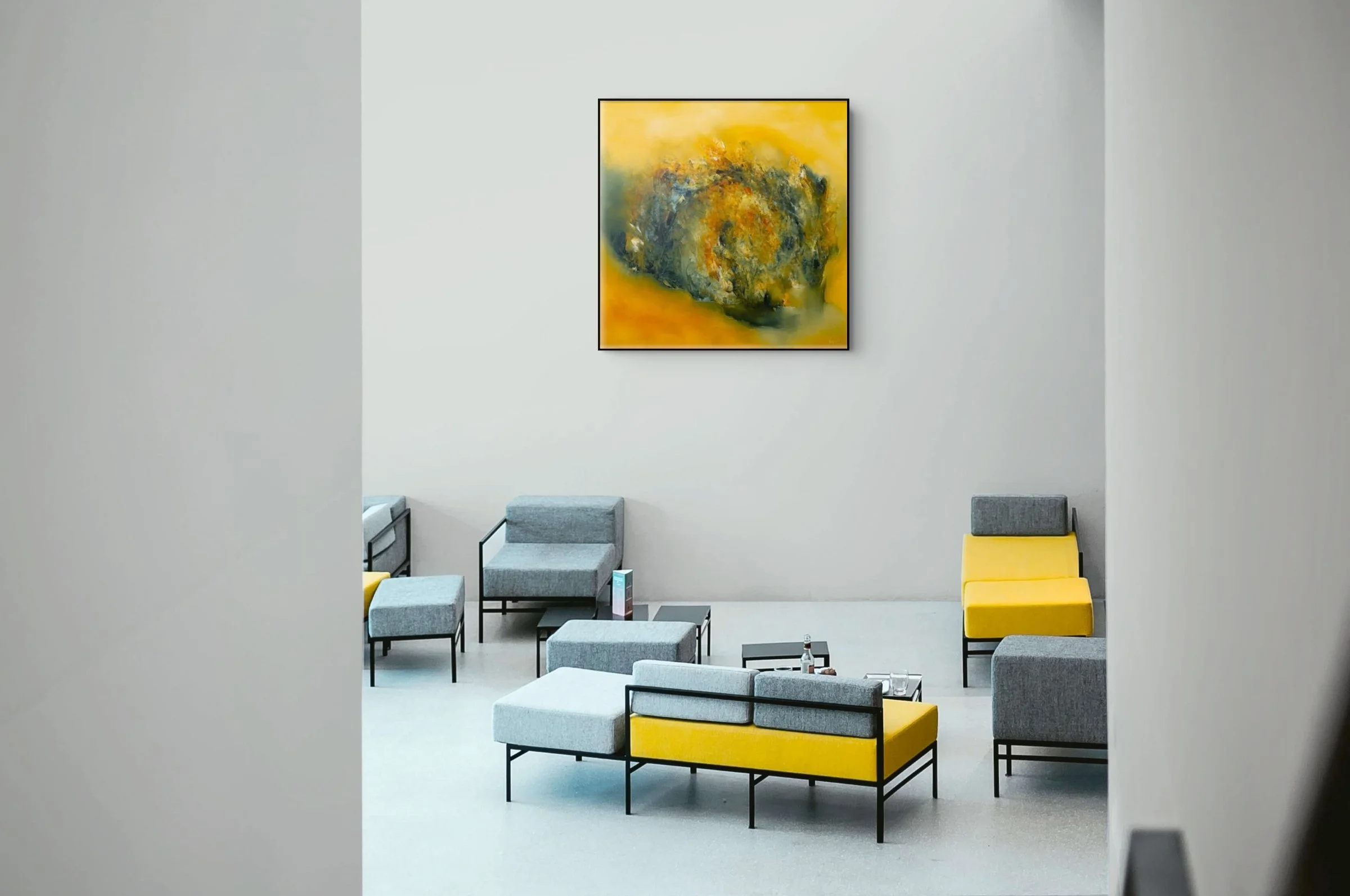
A Painting Does Not Need to Change to Become Contemporary
What happens when a painting remains unchanged while the world of images around it accelerates? Through World in Formation, Veronika Kyrychenko reflects on materiality, perception, and why some works become more contemporary with time-not by predicting the future, but by containing questions large enough to survive it.
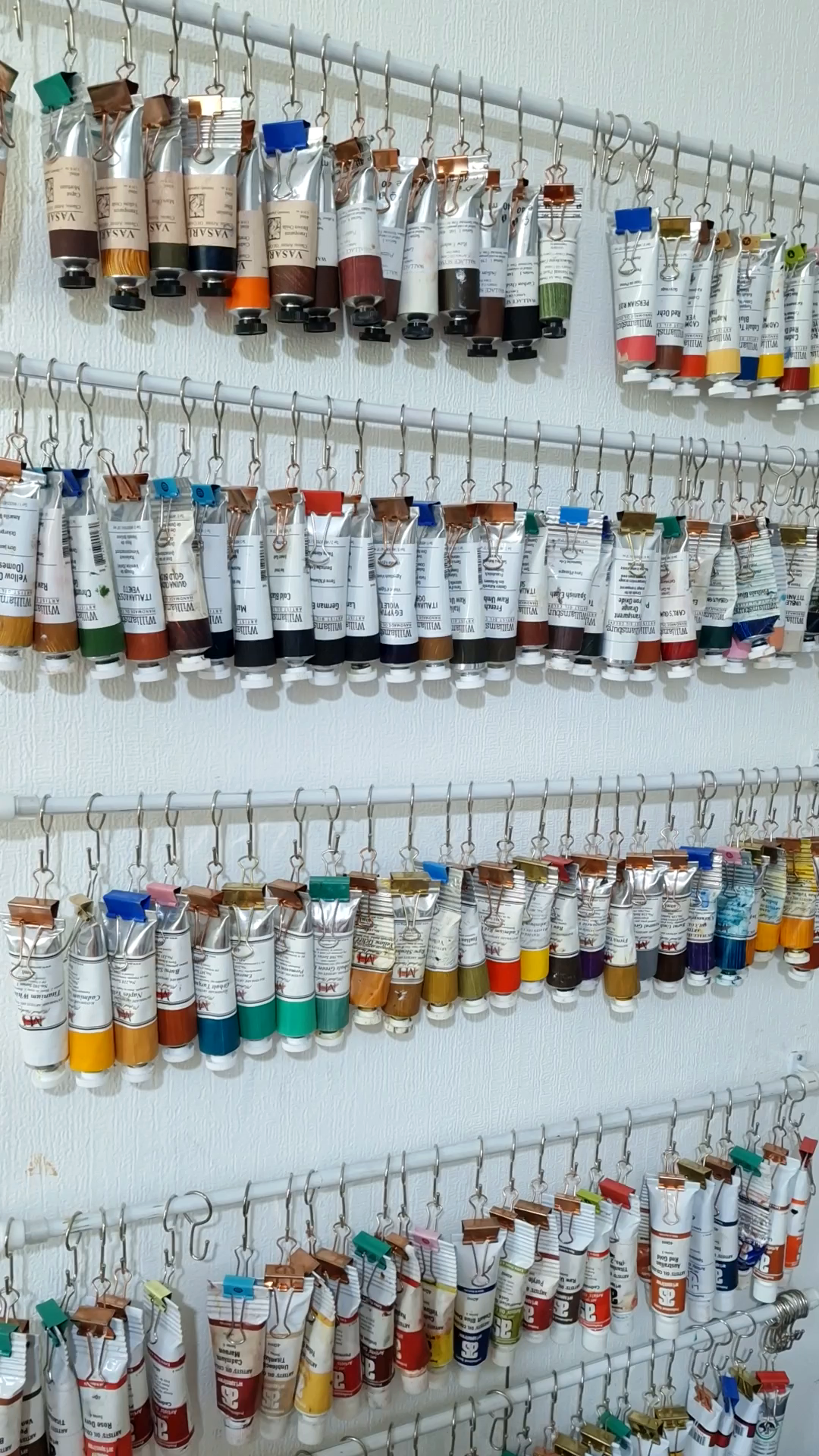
Before the First Brushstroke
A painting begins long before the first brushstroke. A look inside the materials I work with, why paints carrying the same pigment can behave very differently, and how those differences quietly shape the finished surface.
Before the Painting Became the Painting
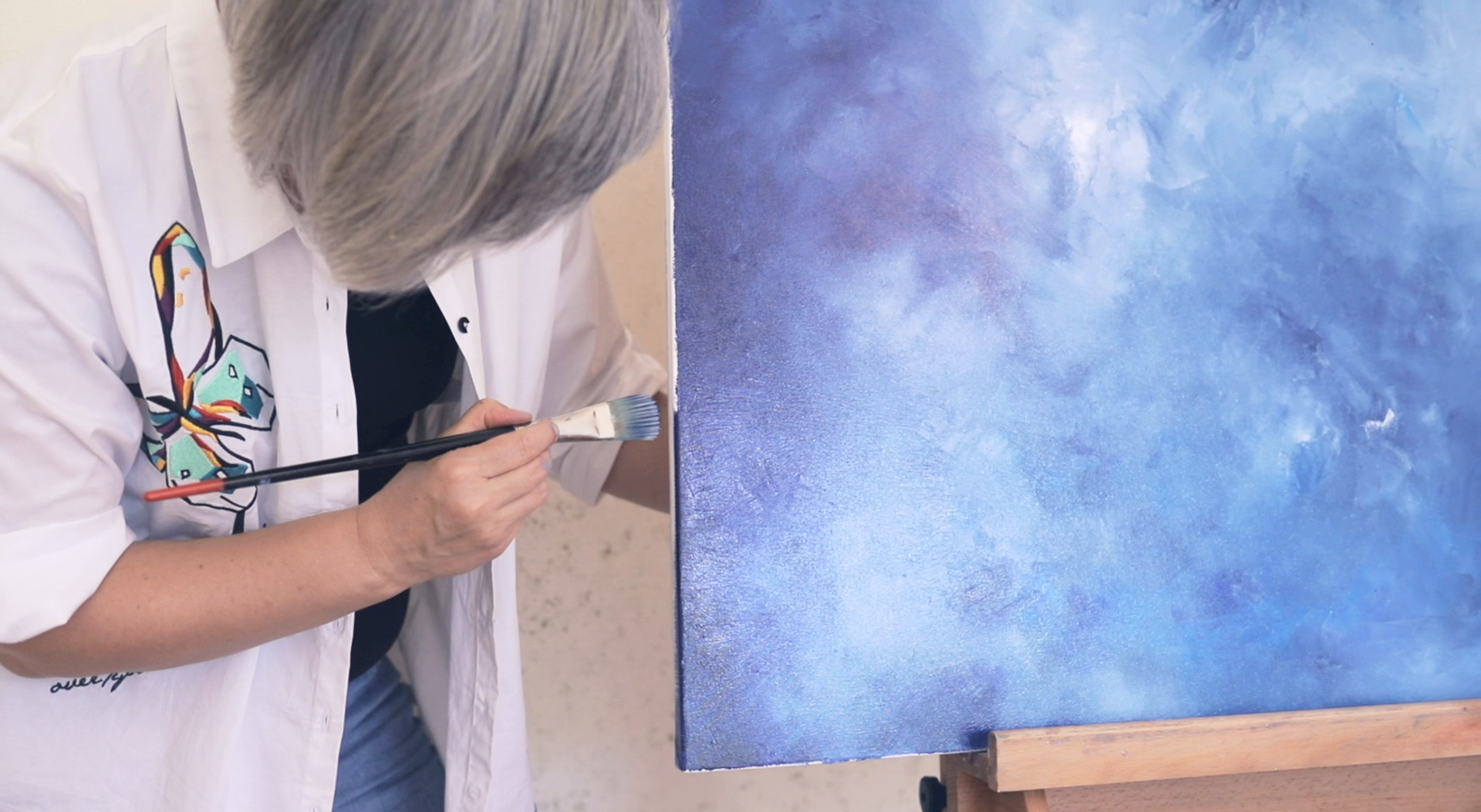
A painting has a history before it ever leaves the studio. Some of it remains buried beneath the final surface; some disappears from sight entirely. What if we documented that history before it had to be reconstructed?
The Artist Wasn’t Ahead of Their Time. We Were Late
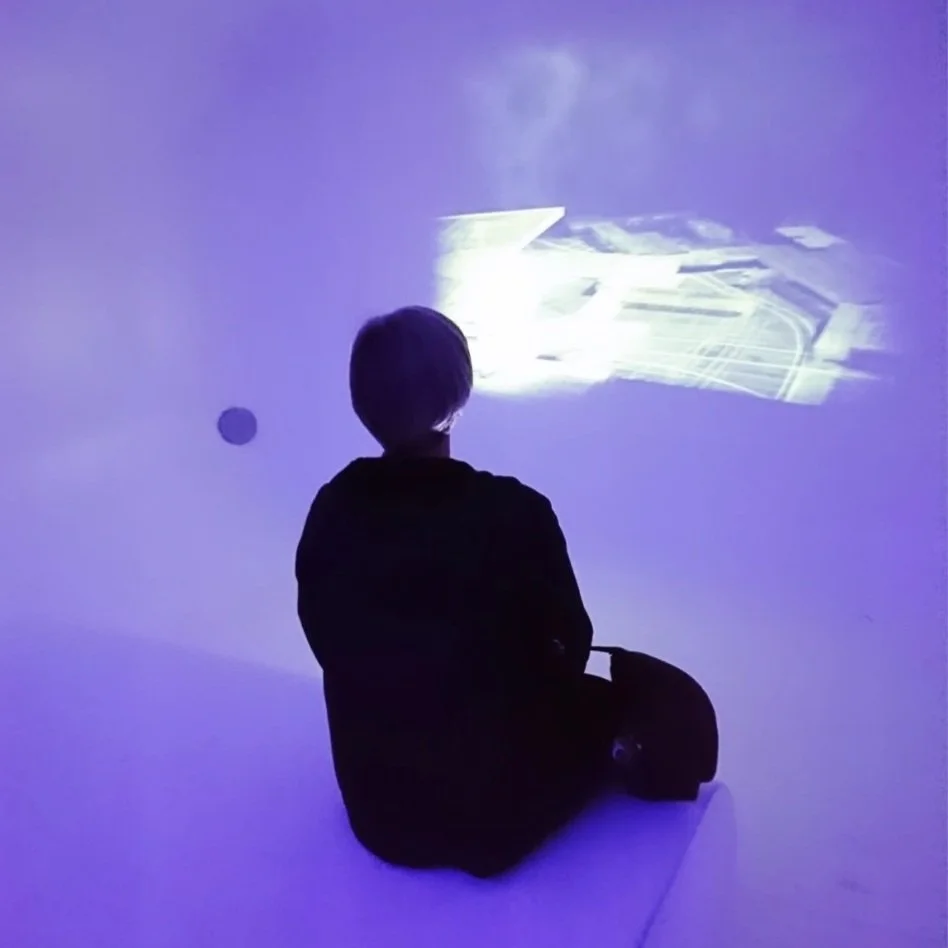
What if artists do not see the future at all? What if they simply notice the present before the rest of us have learned what in it matters? This essay explores attention, perception, weak signals, and the strange ability of art to preserve significance before culture knows how to recognise it.
What Remains When the Artist Disappears
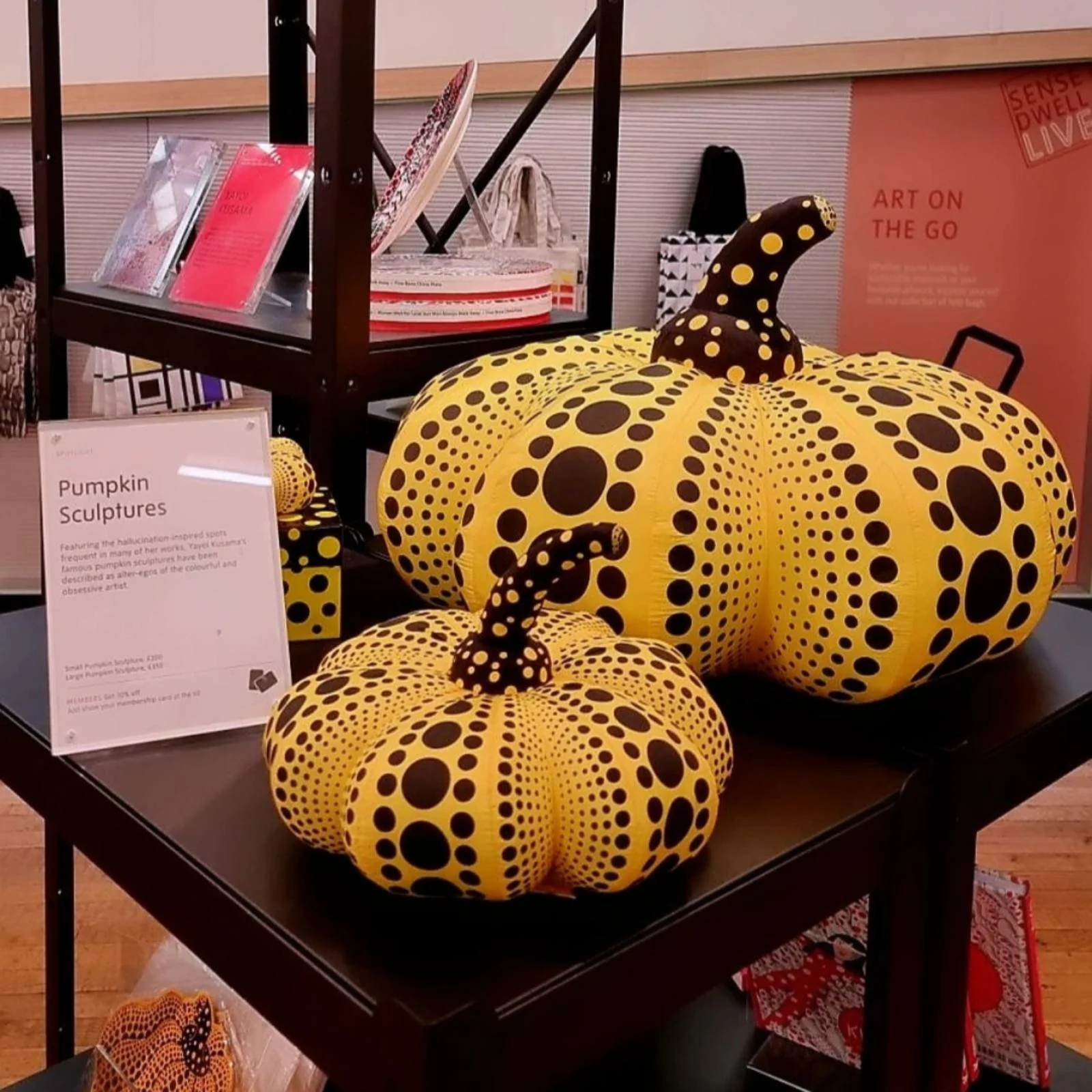
In 1966, Yayoi Kusama offered visitors mirrored spheres beneath a sign reading “YOUR NARCISSISM FOR SALE.” Nearly sixty years later, Narcissus Garden raises a larger question: what happens when repetition outlives the individual - and when an artist’s visual language becomes capable of continuing without its creator?
When a Painting Becomes Part of a Room - and When It Refuses To
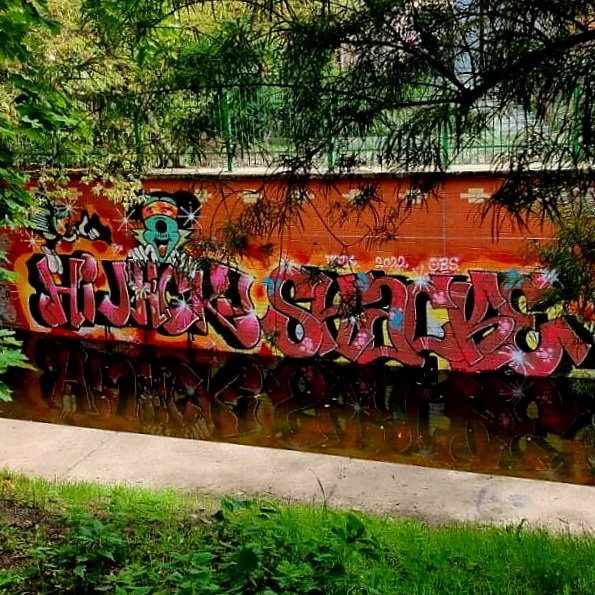
What if a painting does not need to harmonise with a space in order to belong there? An exploration of productive mismatch - the point at which difference becomes not a conflict, but an active relationship between a work of art and its surroundings.
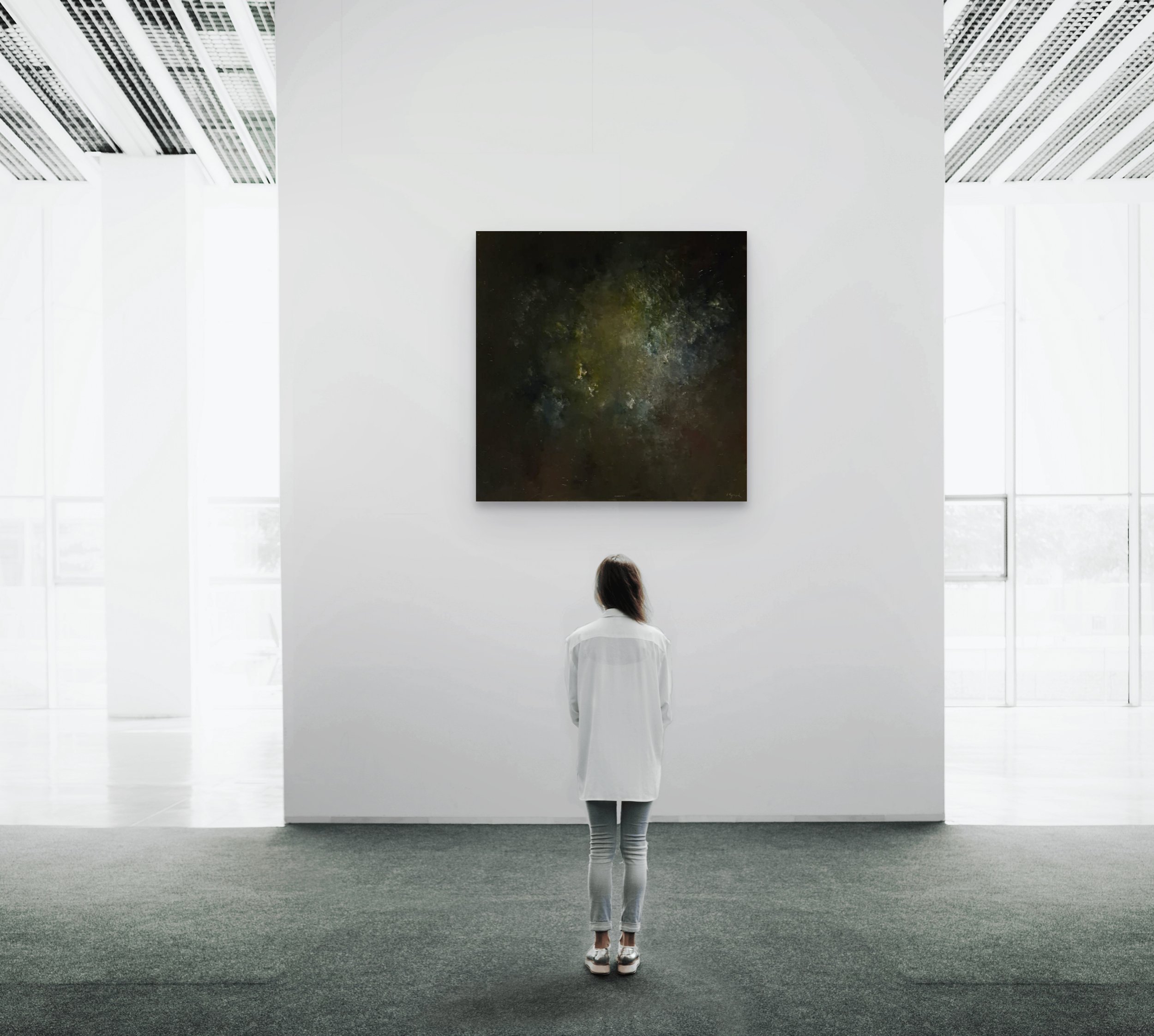
The Distance From Which a Painting Begins
A painting does not remain the same as we move toward or away from it. Details disappear, forms come together, and perception begins to construct something the surface alone cannot contain. Perhaps there is a distance at which a painting becomes itself.
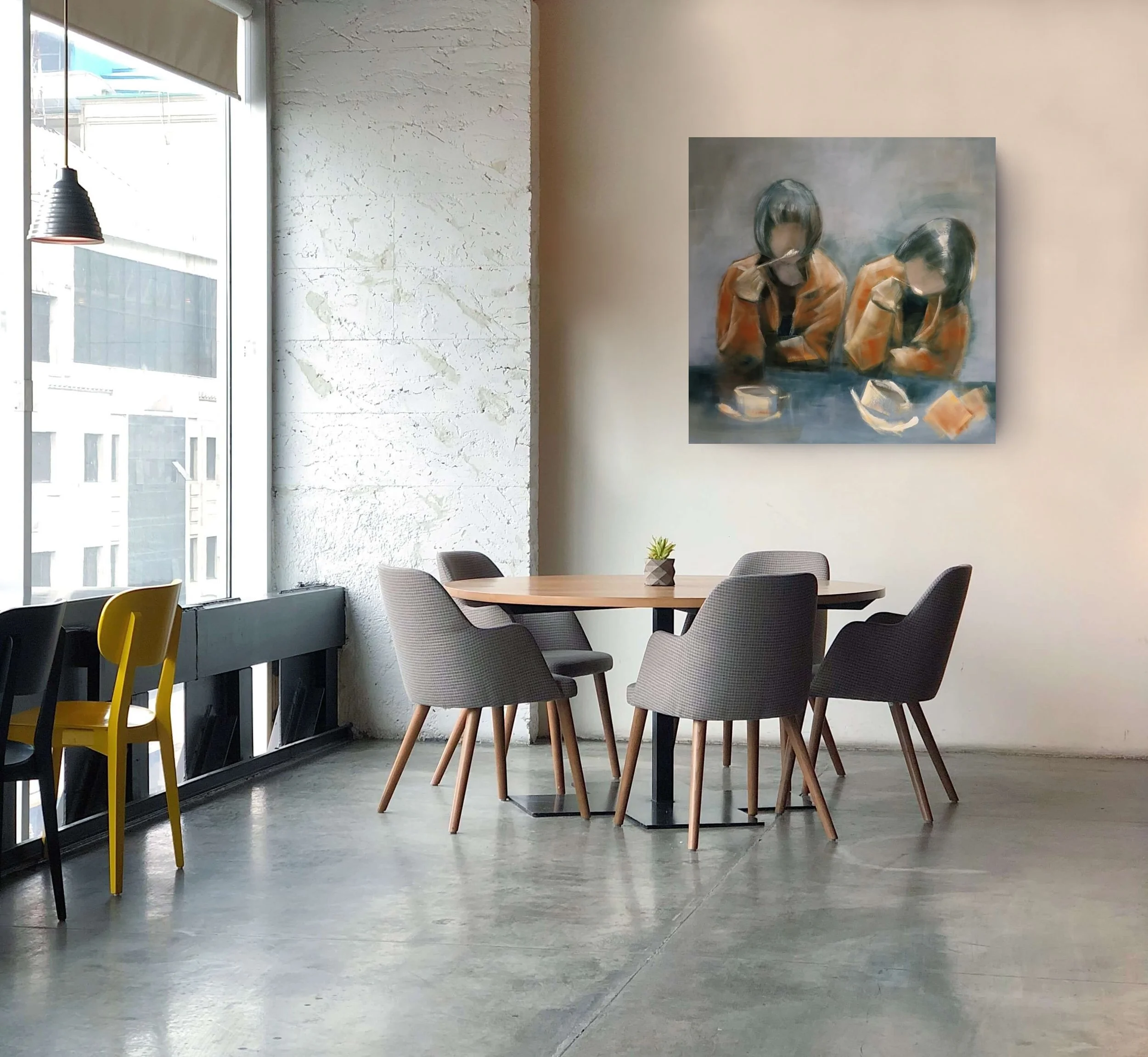
A Painting Does Not End at the Edge of the Canvas
A painting may be finished in the studio, but its life is not. Light, architecture, distance, and time continue to shape how a work is seen, revealing qualities that even the artist may never have encountered.
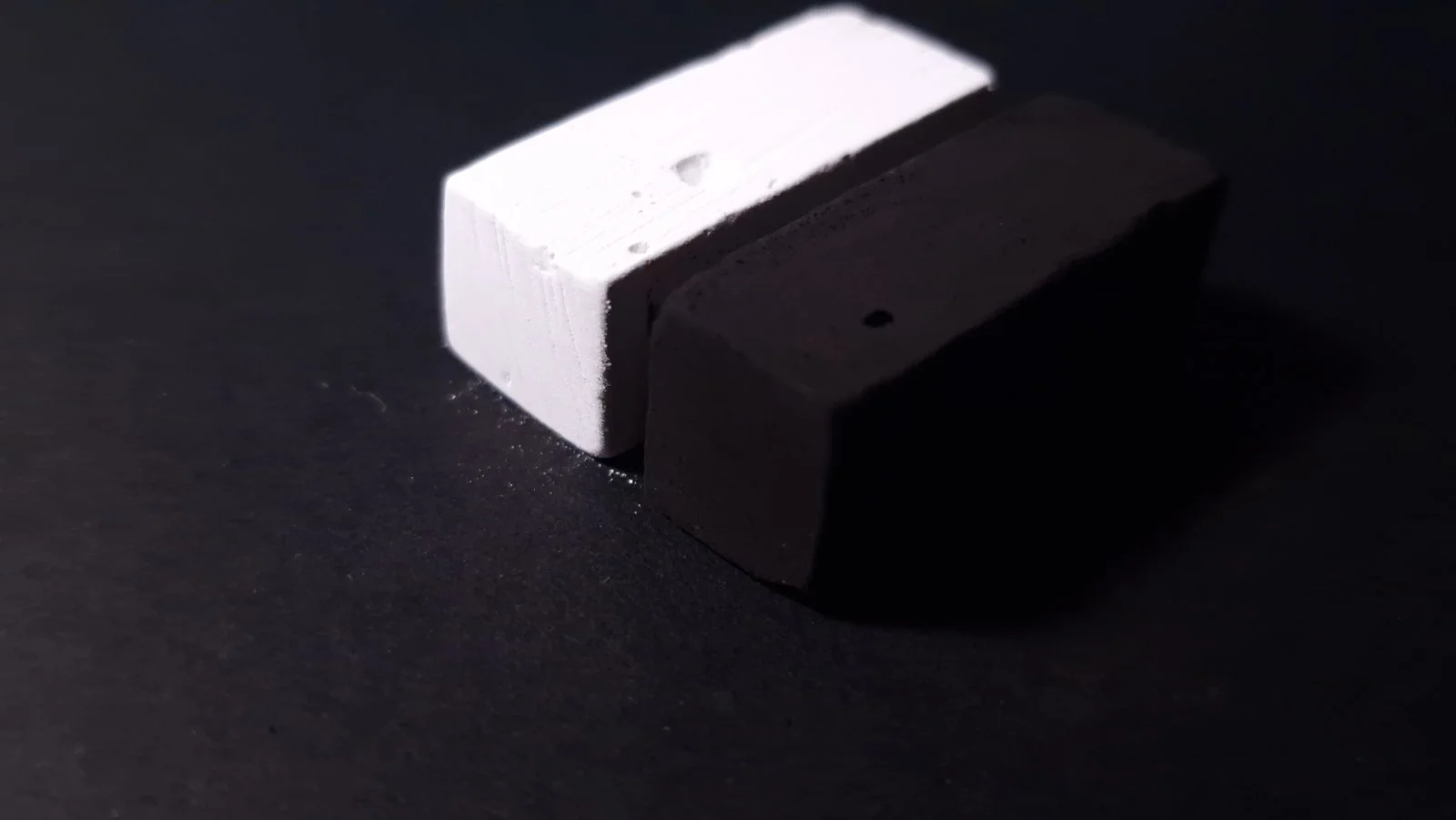
Black - The Colour That Asks Nothing for Itself
What if black is the only colour whose greatest strength lies not in speaking for itself, but in allowing everything around it to speak more clearly?
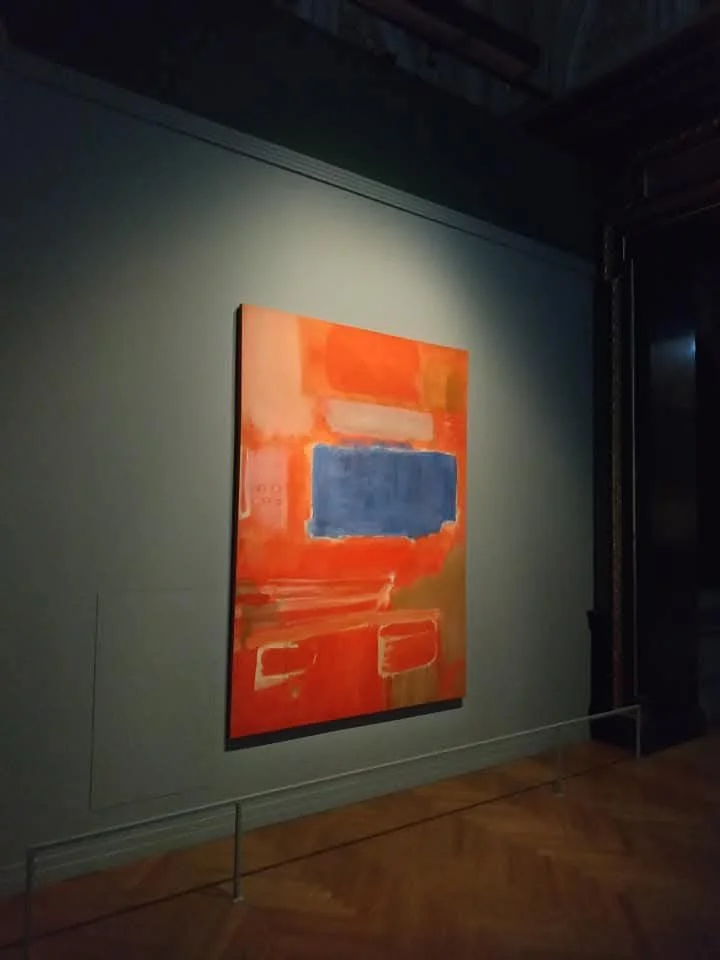
How Art Helps Consciousness See Itself
Can art reveal something that consciousness cannot see on its own? This essay explores the possibility that art does not simply express ideas or emotions, but creates the conditions in which we become capable of encountering ourselves.
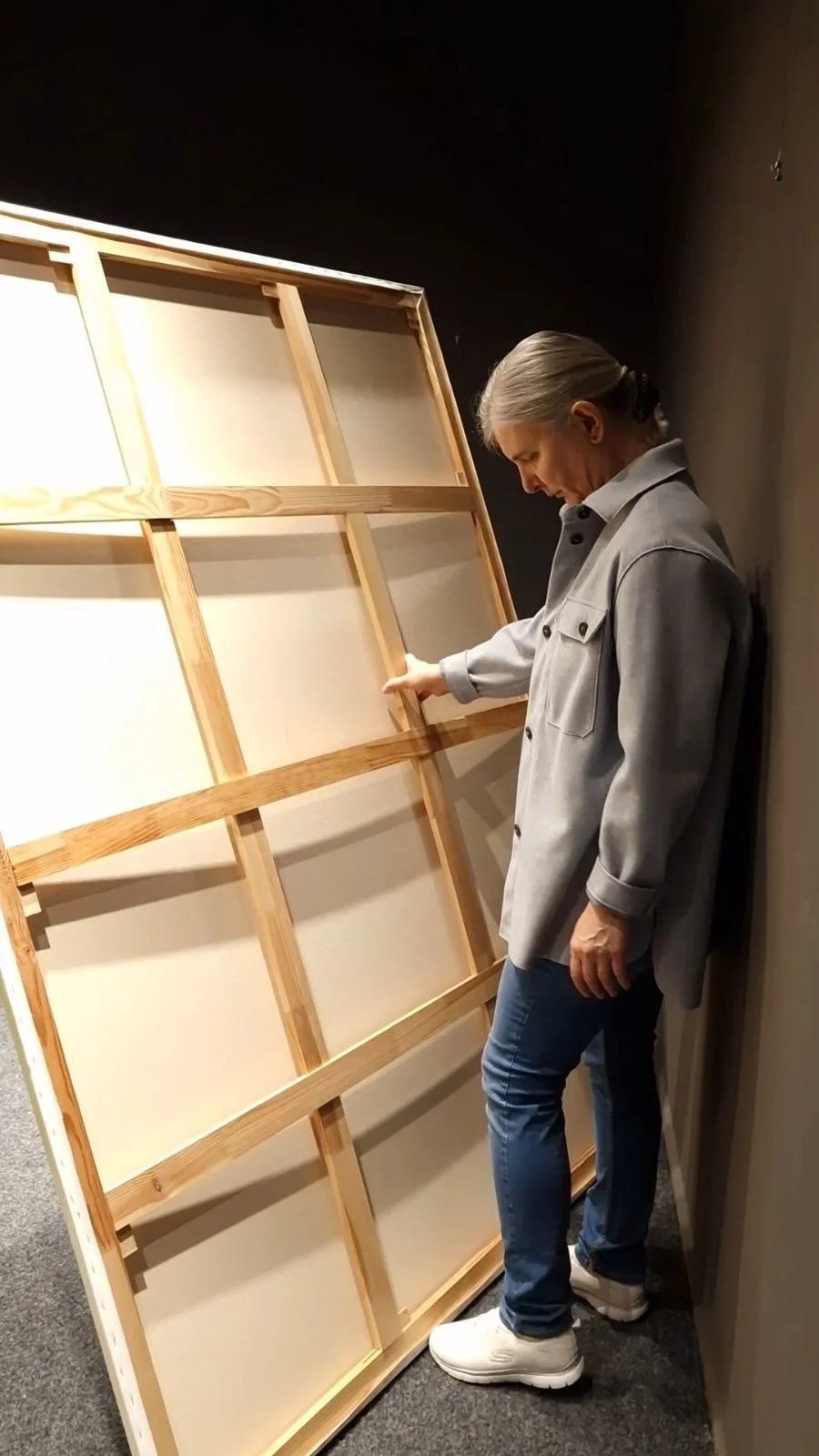
The Painting That Doesn't Need You to Like It
Artistic freedom may begin not when doubt disappears, but when a painting is released from the burden of proving the worth of the person who made it.
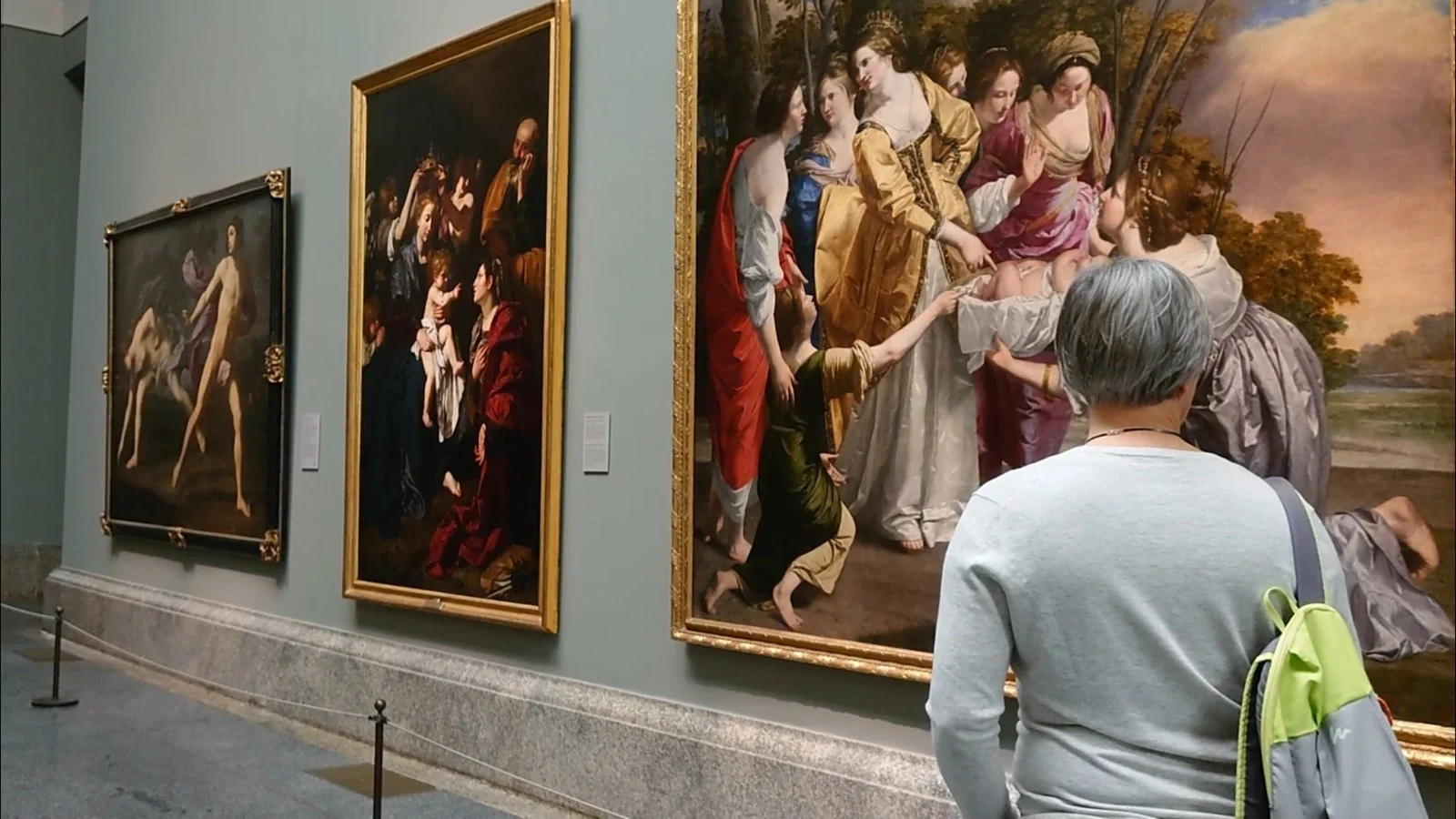
A Painting Never Speaks to Just One Person
A painting does not end when the artist finishes it. Its real life begins every time a new viewer brings their own questions, memories, and experiences to the work.
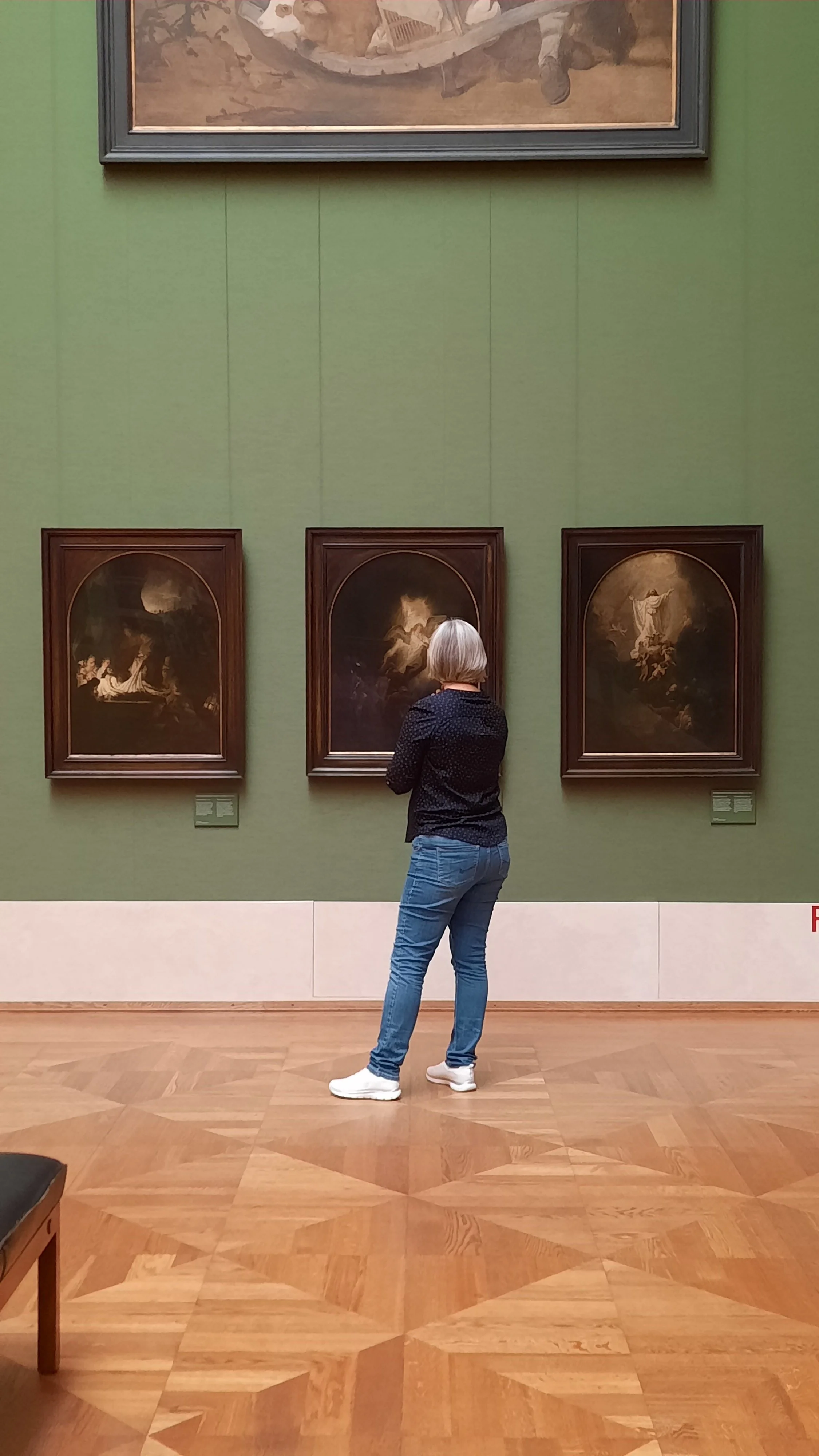
Art or Content?
For centuries, art was experienced in spaces designed for contemplation. Today, it often appears in the same endless feed as everything else. What happens when the environment around a work of art changes - and does it change the way we see it?
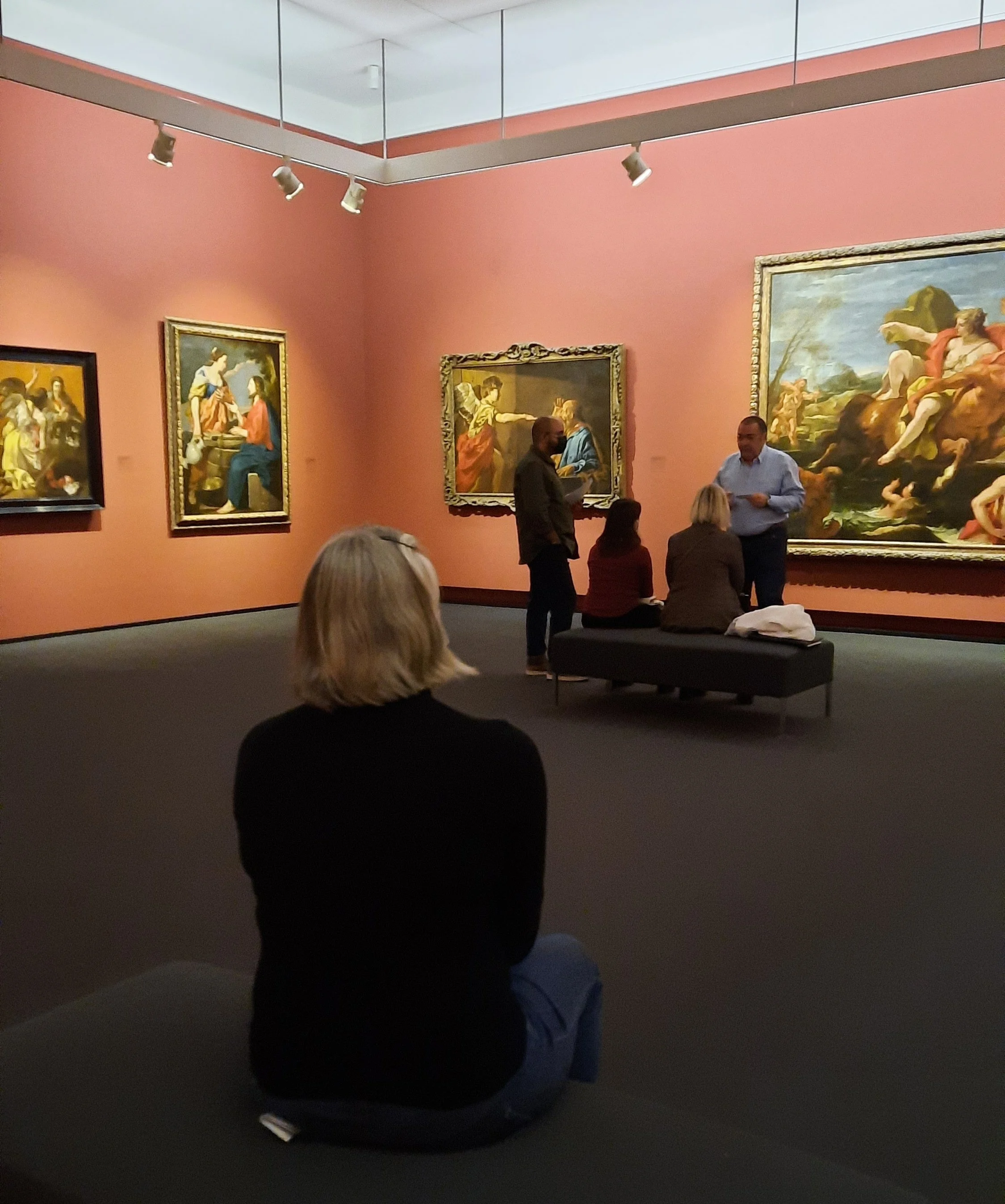
The Distance Between Looking and Seeing
We often believe that looking at a painting is enough to understand it. Yet seeing is something entirely different. Drawing on years of visiting museums and contemporary art exhibitions, this essay explores why the most meaningful encounters with art require something increasingly rare today: time, patience, and genuine attention.
Why Time Behaves Differently Inside Museums
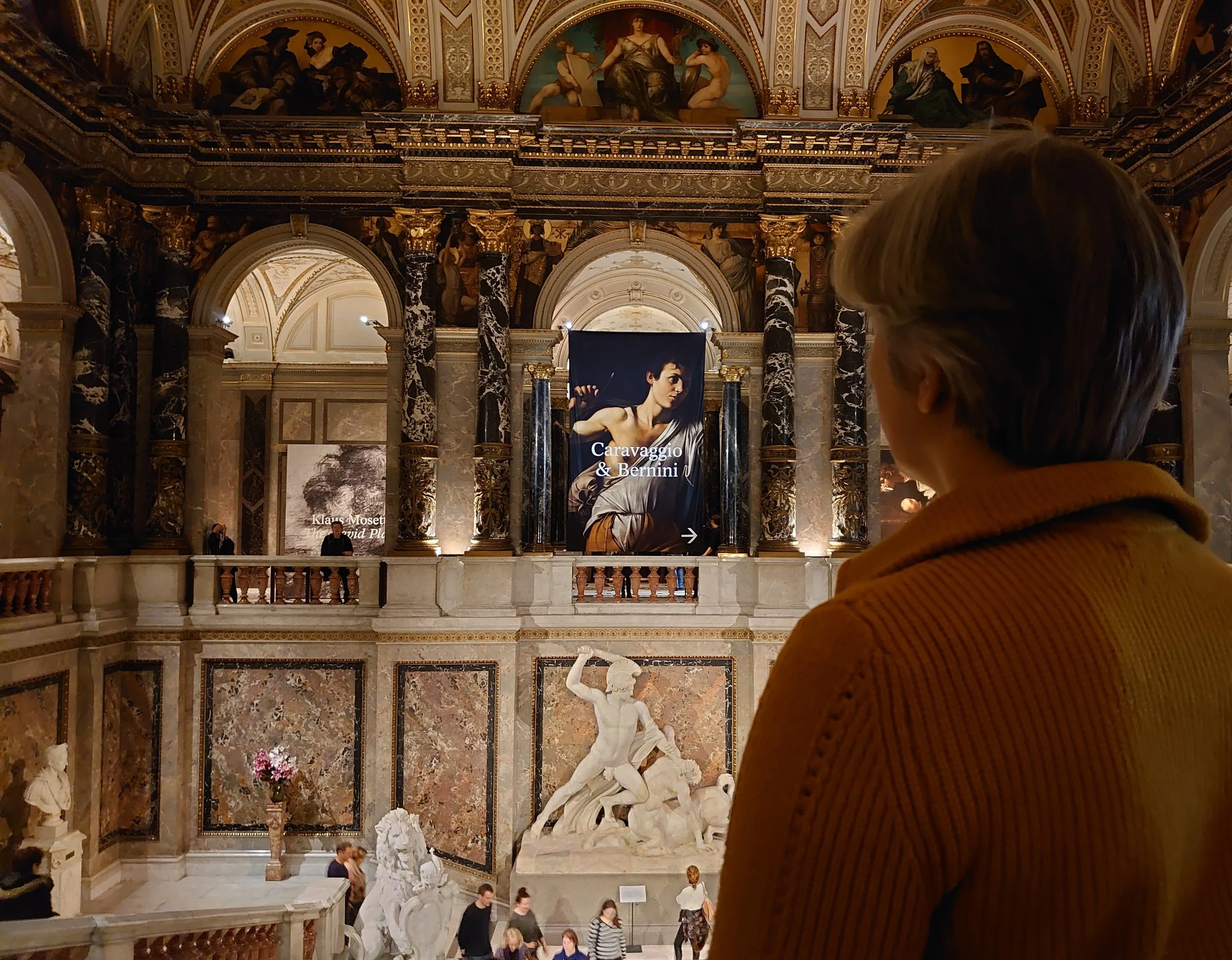
Why does time seem to slow inside museums? This essay explores how art changes not the passage of time itself, but the way we experience it, inviting us to look more slowly, notice more deeply, and return to the present moment.
We Do Not Know Whose Time We Live In
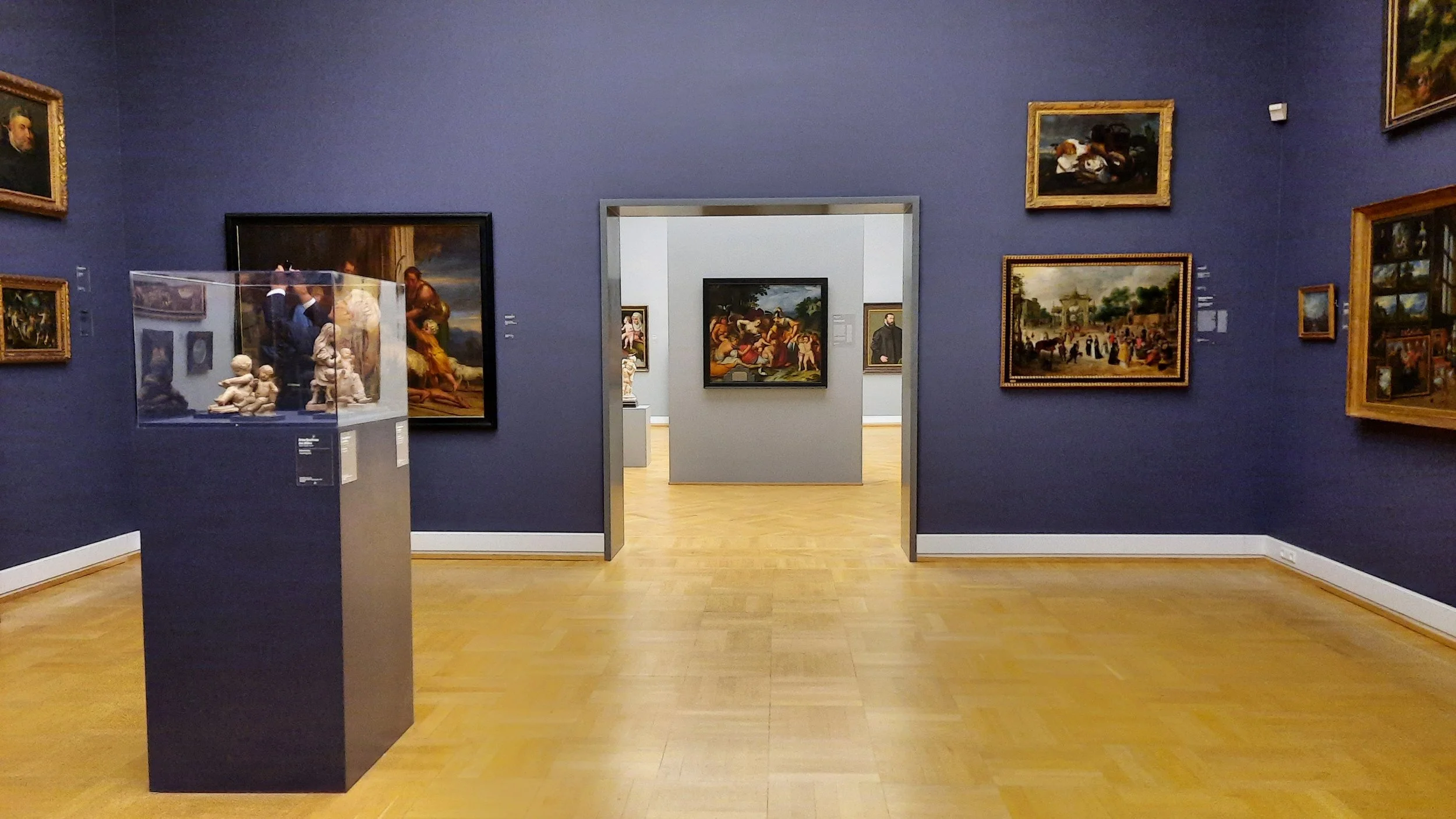
We often think the history of art belongs to the past. In reality, it is being written today - in studios, galleries, and before every empty canvas. Perhaps we are already living in the time of artists who will only be understood centuries from now.
The Invisible Collection: The Paintings We Carry Without Owning
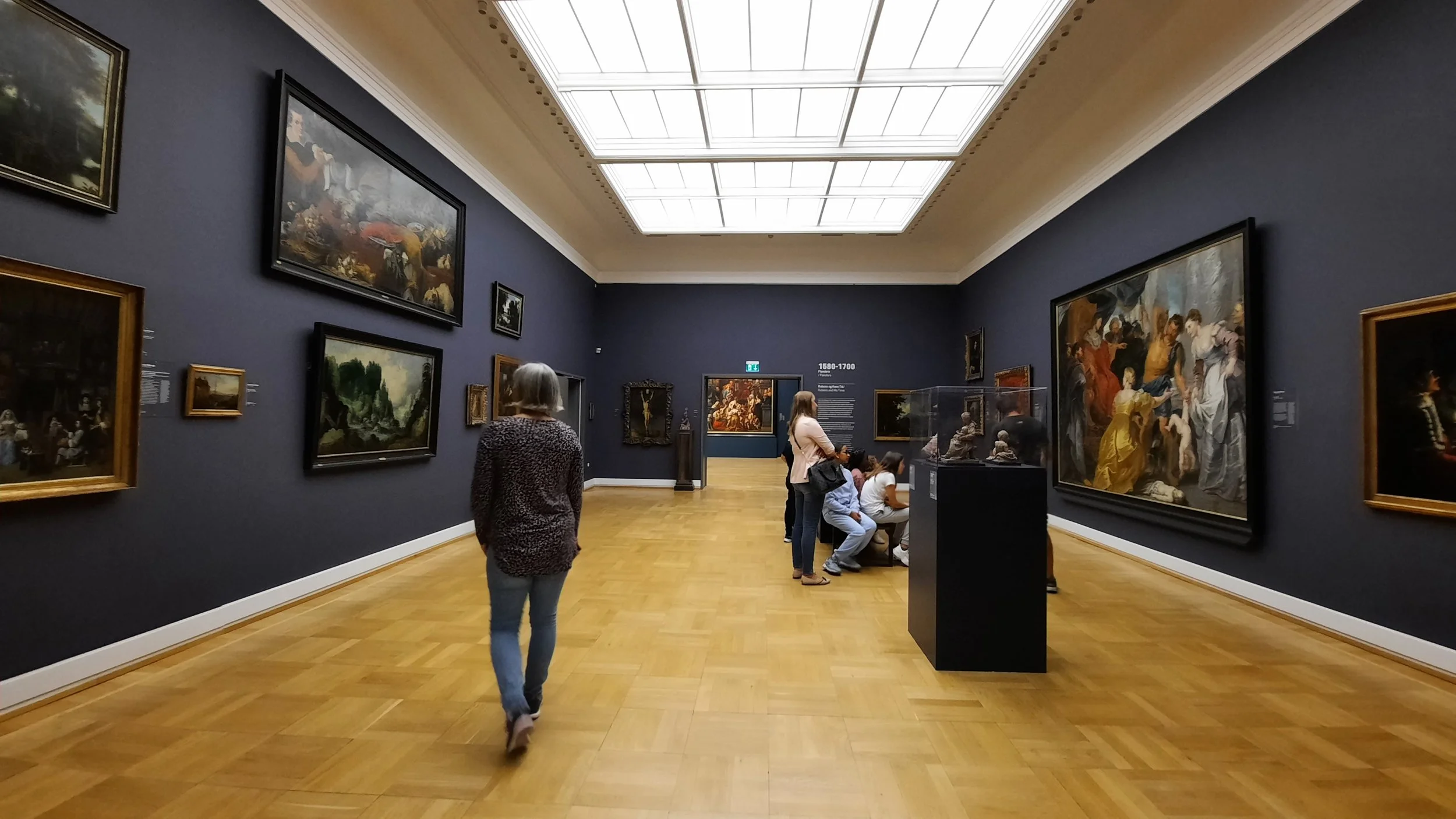
What if the first artwork in your collection was never purchased? Perhaps the paintings that shaped you have been with you all along.
Can a Painting Know More Than the Artist?
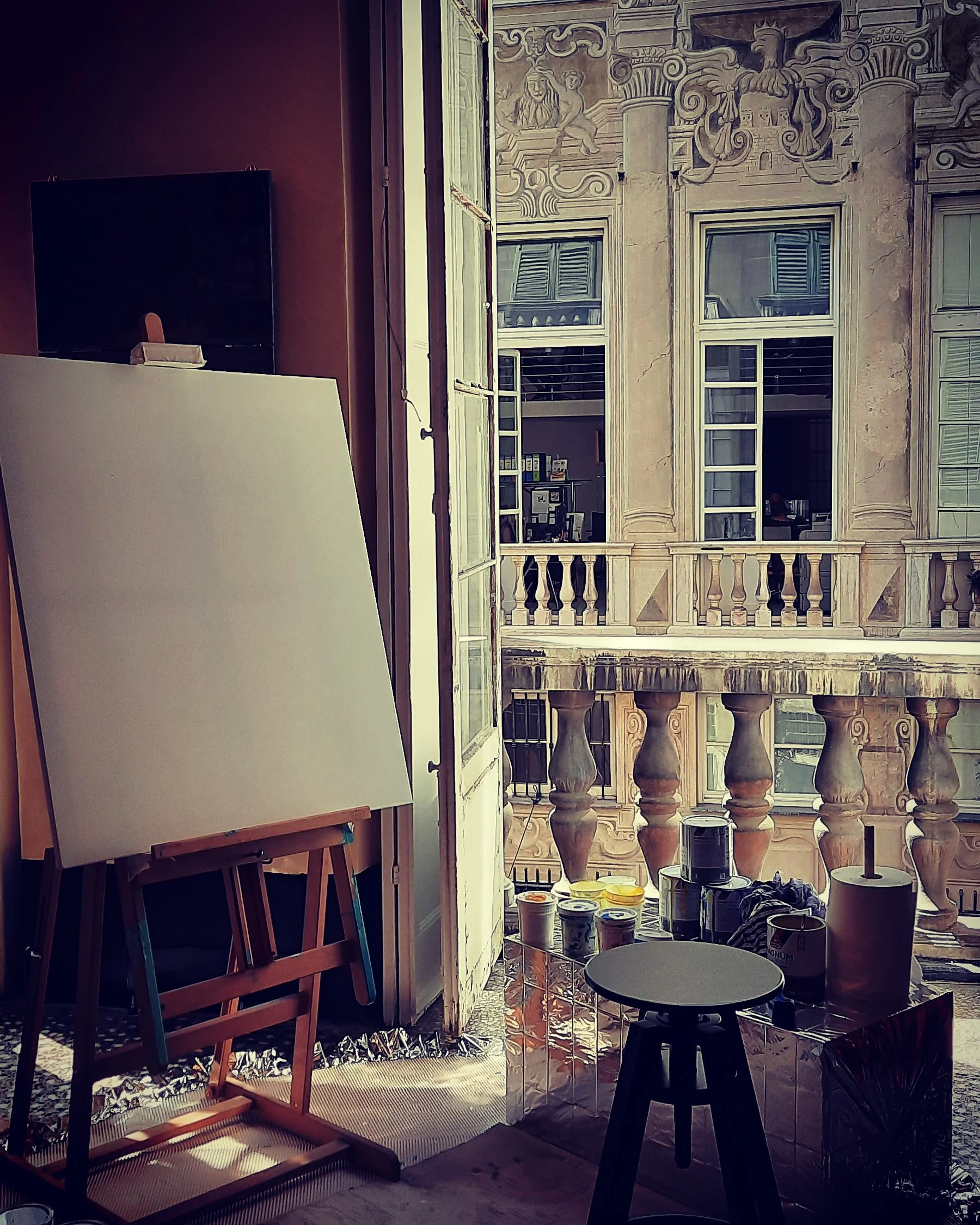
A finished painting often feels inevitable. The path that led to it rarely is. Perhaps a painting discovers its meaning before the artist does.