The Colour of an Era
We often think of colour as something constant. Red is red, white is white, and the sky has always been blue. Yet the longer I paint, the more I find myself questioning that assumption. It has become increasingly clear to me that one of the greatest illusions about colour is believing that it exists independently of the world around us.
Every era lives within its own palette.
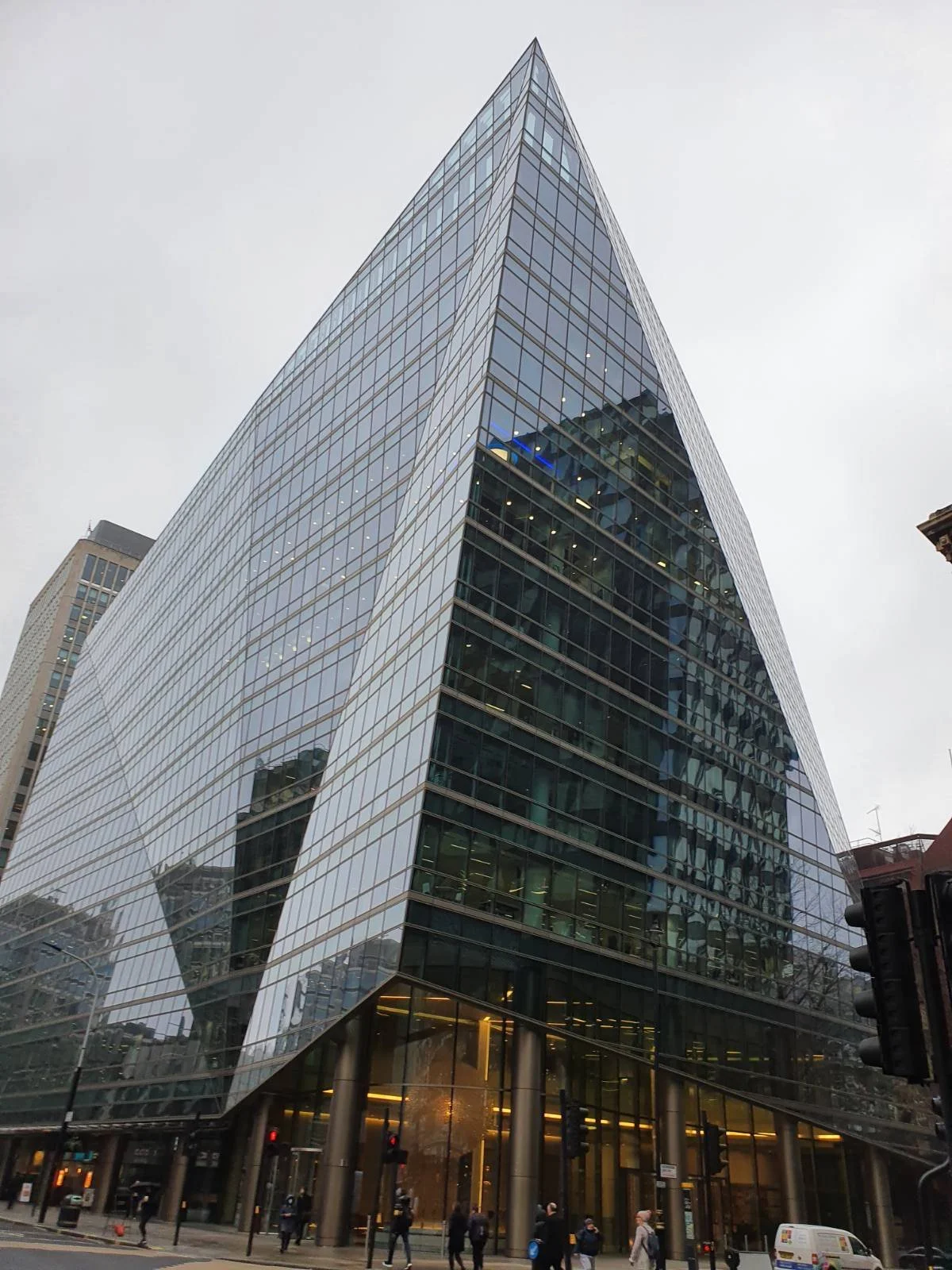
Our eyes may not have changed, but the world they look at certainly has. The light around us is different. Our cities are different. The materials we live with, the buildings we inhabit, the glass we look through, and even the light emitted by the devices we carry every day have transformed the visual experience of modern life. A century ago, no one had ever seen the glow of an LED screen reflected on a face, the colour of a city illuminated by neon, or the cool light that now fills so many of our homes. At the same time, countless colours that once formed part of everyday life have quietly disappeared.
This is why I believe paintings tell us far more about an era than we usually realise. We tend to look at them for their subjects, their figures, or the architecture they depict, yet one of their greatest achievements lies somewhere else entirely. A painting preserves the colour of its time. It records the quality of light, the atmosphere of a city, the transparency of the air, and the subtle palette that surrounded people so completely that they hardly noticed it themselves.
I have always found that idea fascinating because I suspect we can never fully recognise the palette of our own time while we are living inside it. We mistake it for normality. Just as fish never notice the water they swim through, we rarely notice the colours that quietly define our daily lives. Only years later do we begin to understand that the light had changed, that our cities looked different, and that the visual language of an entire generation had been unlike any that came before it.
Perhaps this is one of the reasons painting continues to matter so deeply to me. A painting preserves far more than an image. It preserves the atmosphere of a particular moment in history. It holds not only a place, but the way that place felt to the people who lived there. It remembers a quality of light that may never exist again and colours that future generations will know only through the eyes of those who painted them.
I often wonder how people will look at paintings created today a hundred years from now. Perhaps they will notice things we are incapable of seeing ourselves. They may recognise the colour of our cities, the light reflected by our architecture, the atmosphere of our interiors, and the visual character of a world we have stopped questioning simply because it surrounds us every day.
That thought has quietly changed the way I think about painting. Creating a beautiful image is only part of the work. Equally important is preserving an honest record of what it felt like to see the world at this particular moment in history, before it, too, becomes part of the past.
