The Most Valuable Part of a Painting Is Often Invisible
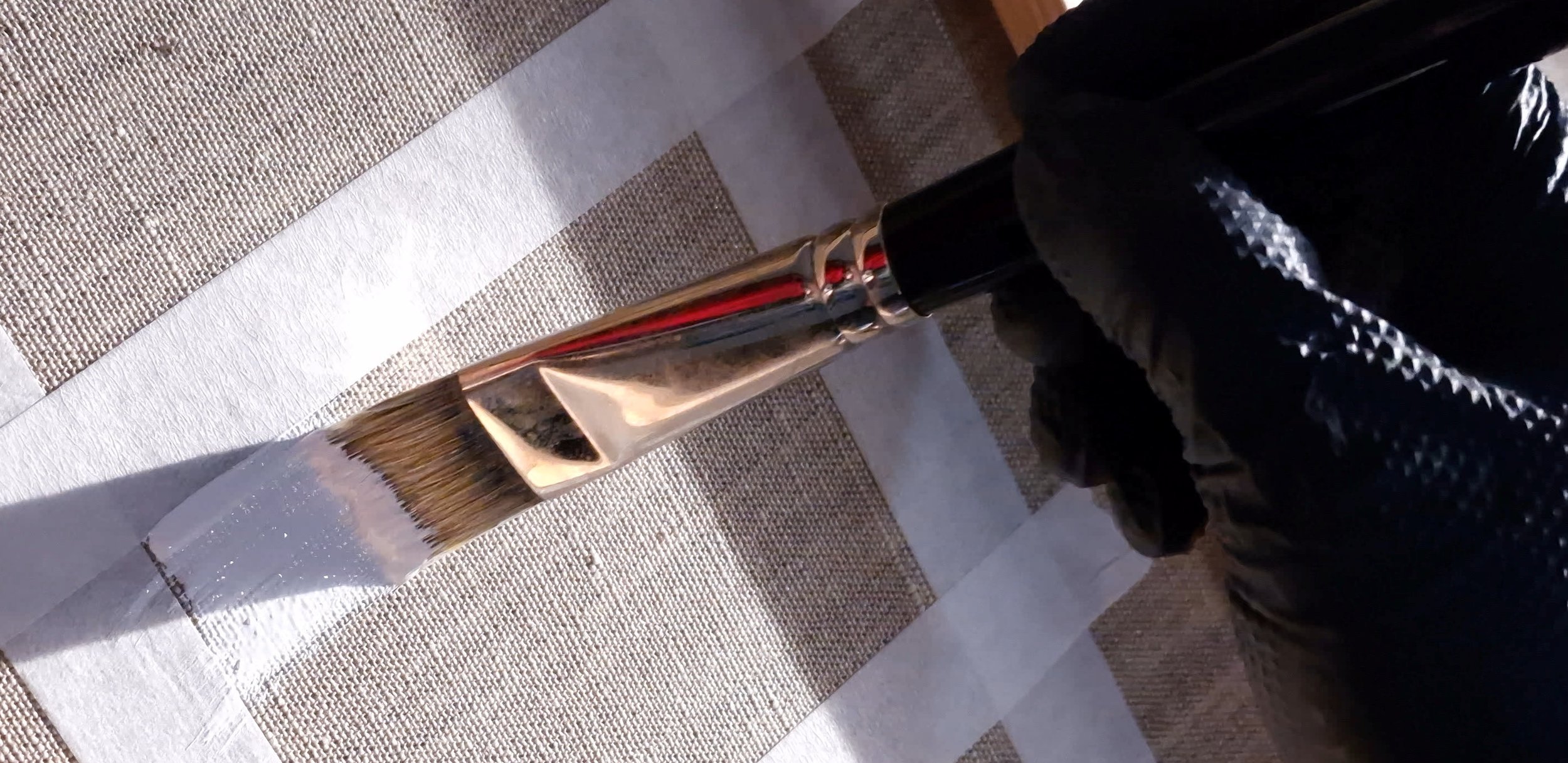
When we stand before a painting, our attention naturally belongs to what can be seen. Colour, light, composition, texture, gesture. We search for meaning in what is visible because that is what paintings offer us first.
Yet I have gradually come to believe that the visible painting is only the final chapter of a much longer story.
Long before the first brushstroke appears, the work has already begun to take shape through hundreds of decisions that no viewer will ever witness. Years of looking. Years of learning. Paintings admired in museums and quietly forgotten. Books that altered the way an artist understood colour. Mistakes repeated until they slowly became knowledge. Materials tested, abandoned, rediscovered. None of these things remain visible on the finished surface, yet all of them continue to exist within it.
Perhaps this is one of the quiet paradoxes of painting. We often speak about expression, inspiration, or style, but much of what gives a painting its strength has very little to do with the moment of inspiration itself. It lies instead in the accumulated discipline of countless invisible choices.
Among those choices, materials occupy a curious place.
Most people notice a luminous passage of colour without wondering why it continues to glow decades later. They admire the depth of a shadow without thinking about the chemistry that allows it to remain stable. We tend to admire the result while overlooking the decisions that made the result possible.
The longer I paint, the less I think of materials as tools.
They are, in many ways, agreements with the future.
Every pigment carries its own promise about time. Every ground determines how the surface will age. Every medium influences not only how a painting behaves today, but how it may continue to exist long after its maker is gone. These decisions are almost never visible, yet they shape everything that eventually becomes visible.
Perhaps this is why I have always been drawn to materials with long histories behind them. Not because tradition is valuable in itself, but because history allows us to observe what time has already tested. A painting is created over weeks or months, yet its real life may unfold across generations. When viewed from that perspective, choosing materials is no longer simply a technical matter. It becomes an ethical one.
We often imagine that paintings survive because they are beautiful.
I suspect they survive because someone cared about their future.
That care appears in places no collector can point to and no visitor will consciously notice. It exists in decisions made before the painting was even visible. Decisions that ask not how the work will look tomorrow, but how it might continue speaking fifty or one hundred years from now.
Perhaps this is true beyond painting as well.
The things that shape our lives most profoundly are rarely the ones that attract immediate attention. Patience is invisible. Experience is invisible. Knowledge is invisible. Care is invisible. Yet these unseen things determine whether anything visible will endure.
Perhaps the most valuable part of a painting has never been its colour, its composition, or even its subject.
Perhaps its greatest value lives quietly beneath the surface, in every invisible decision that gave the painting a future.
