The Provenance of the Analytical Signal
An analytical measurement records what is present in an artwork today. Establishing how that material came to be there - and whether it belongs to the original structure or to a later change — is a separate evidential task.
PB27 Is Not a Material History
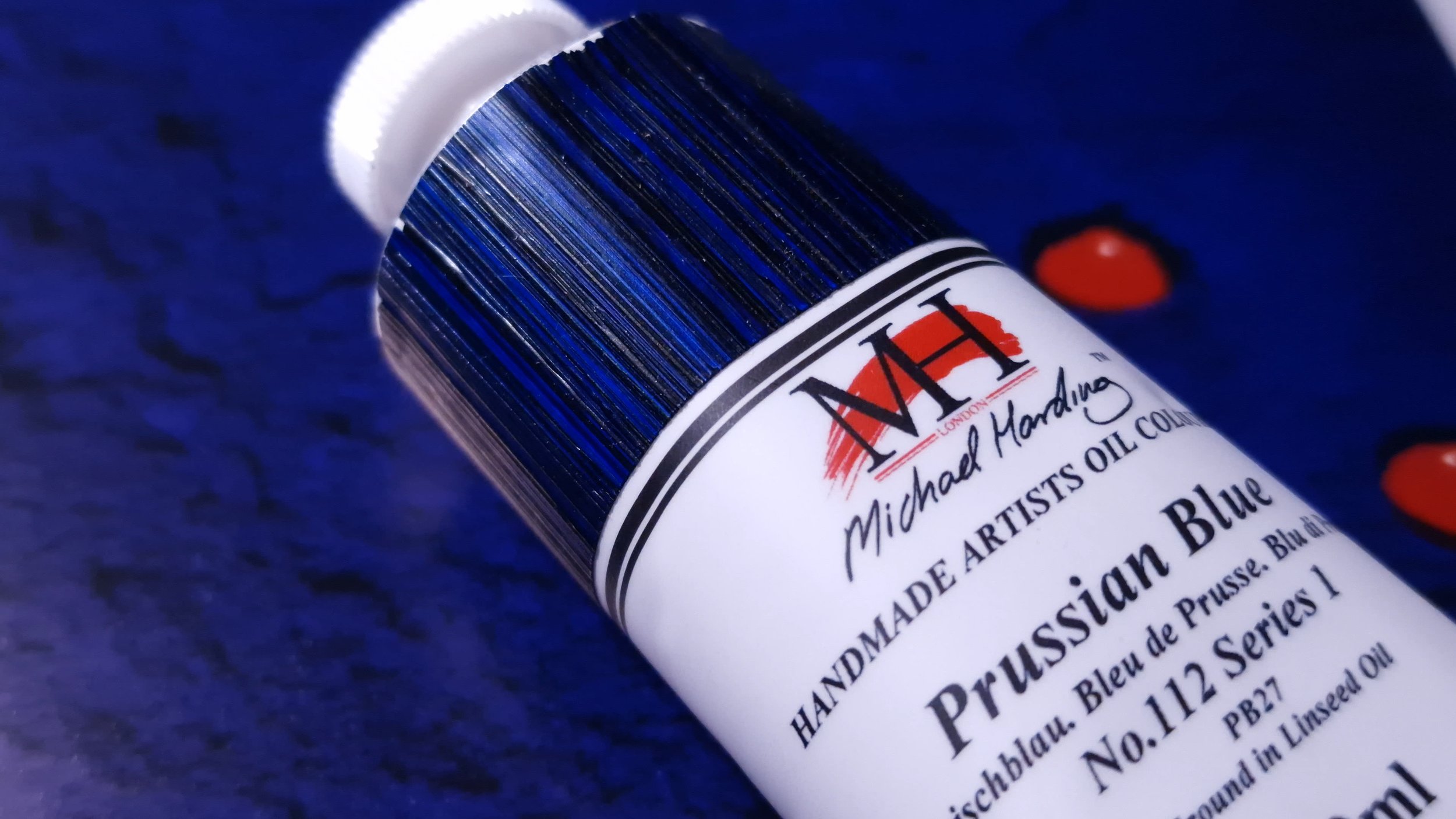
PB27 identifies Prussian Blue, but it does not preserve the material’s history. Three centuries of changing production methods reveal a less visible form of loss: information can disappear while the pigment itself remains in continuous use.
The Missing Variable
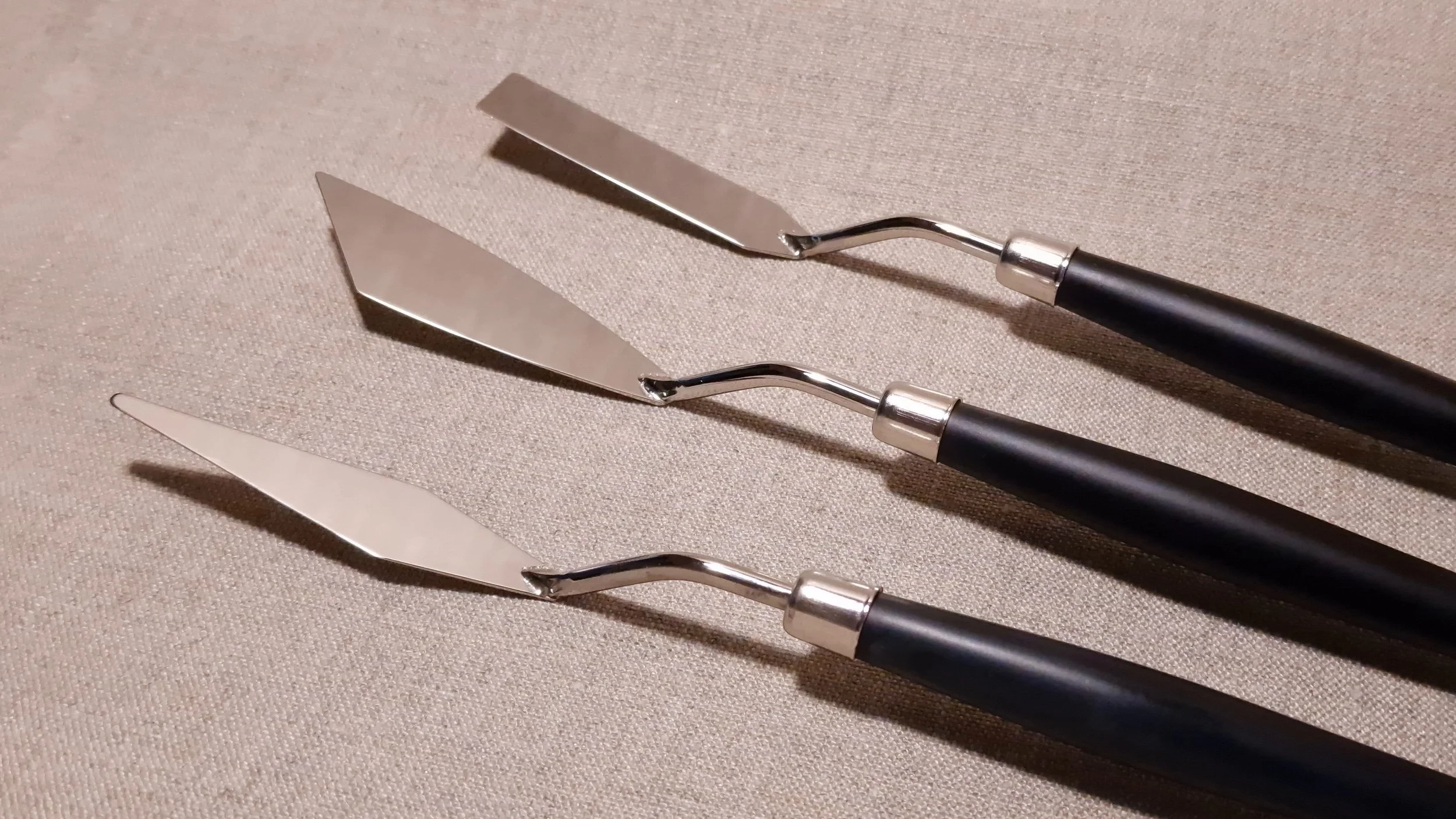
What does an artist’s hand know about a tool that has never been put into words? Painting knives reveal a gap between the object we can document, the knowledge developed through use, and the material trace that ultimately remains on the painting.
WHEN TECHNICAL KNOWLEDGE HAS NO PROVENANCE
Technical advice can shape the physical structure of a painting long after the evidence behind that advice has disappeared. What happens when a technical claim acquires authority, enters an artist’s decision-making, and leaves a material consequence whose evidential history can no longer be reconstructed?
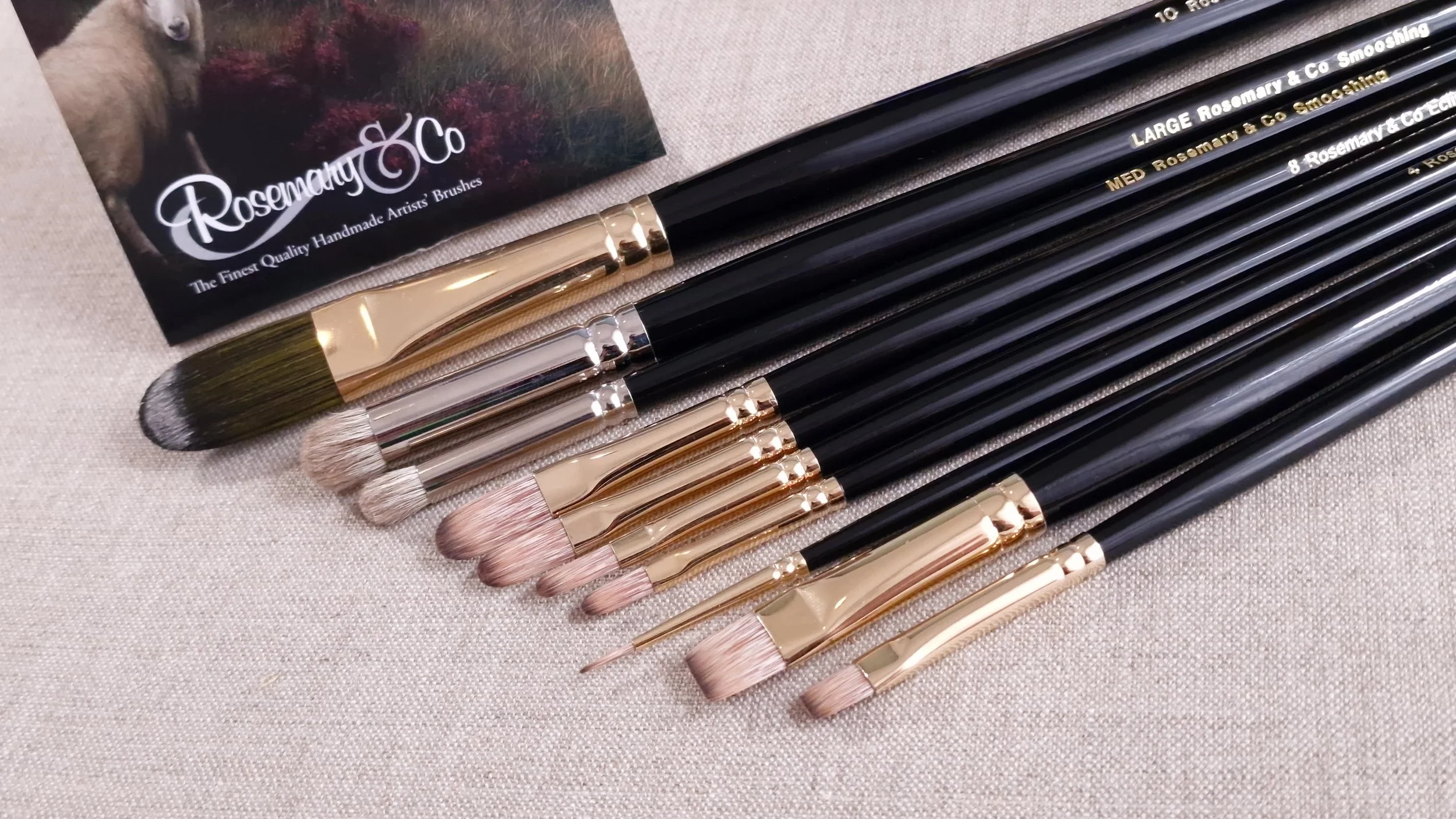
THE BRUSH THAT NO LONGER EXISTS
A painting can preserve the trace of a brush more precisely than we preserve the brush itself. What disappears when the tool survives, but the knowledge of how it behaved is lost?
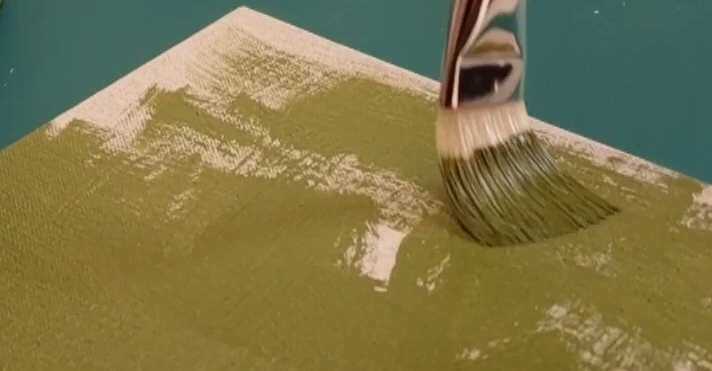
Who Owns the Behaviour?
A paint does not behave alone. Its working properties emerge through contact with grounds, tools, mediums and methods of application. Who Owns the Behaviour? asks what we actually preserve when we document an artists’ material - the product itself, or the conditions in which its behaviour could be known.
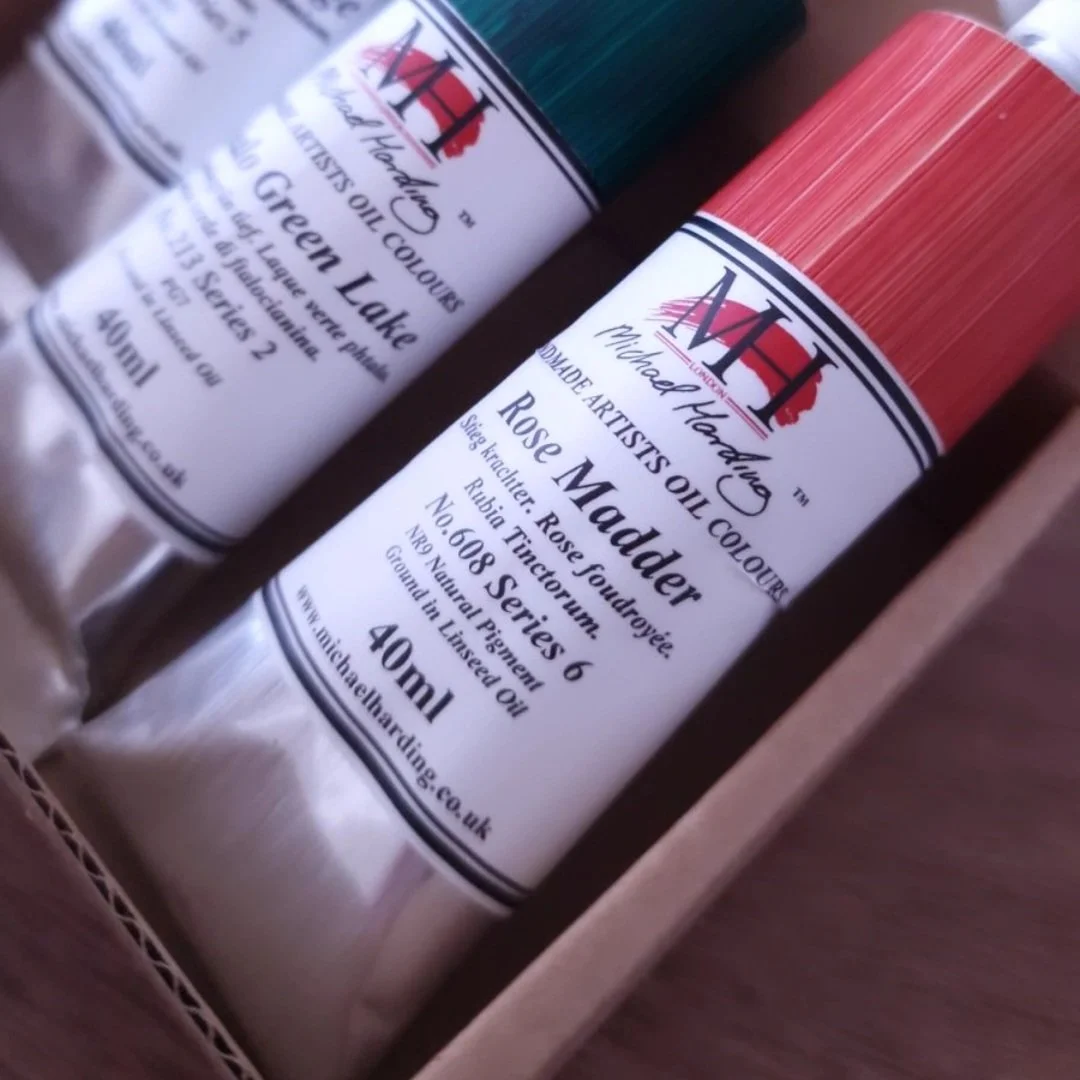
Material Identity Stack
A pigment code is not a material identity. NR9 shows why. The same designation can survive while the source, manufacturing process, binder, formulation and working properties change behind it. The name remains. The code remains. The material may not.
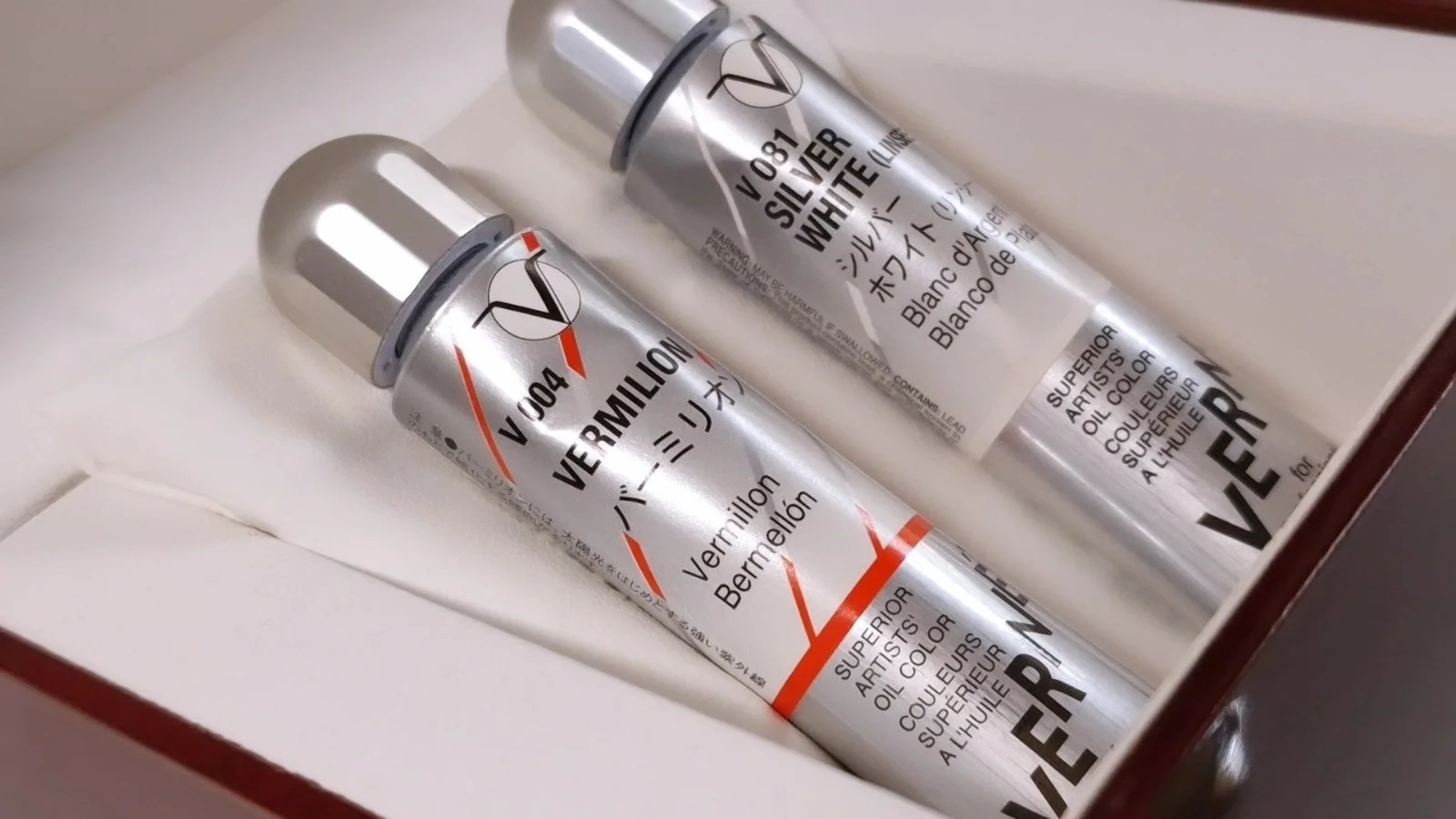
Irreversibility
Loss is an event. Irreversibility is a process. What disappears first is not always the object itself, but the possibility of returning to it, examining it differently, and asking questions that do not yet exist.
When There Are More New Colours Than New Pigments
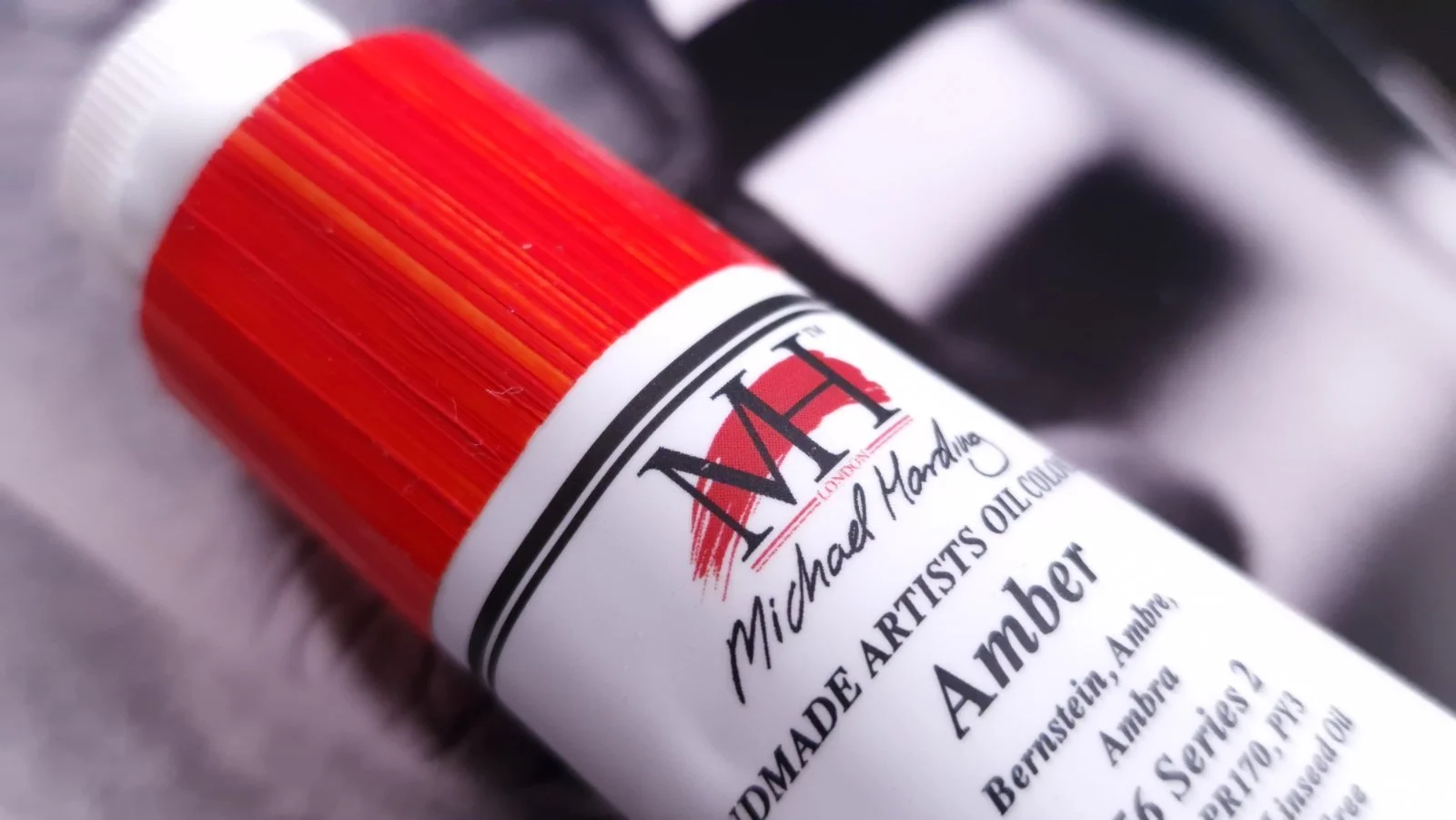
The range of artists’ colours continues to expand, while the world of pigments remains finite and constantly changing. What does it mean to create a new professional colour when innovation increasingly happens not only in new substances, but in the relationships between existing ones?
A Material Can Be Replaced. But Can a Form?
When an artists’ material is replaced, what exactly has been preserved? Drawing on Henri Focillon’s The Life of Forms in Art, this essay considers the difference between technical substitution and artistic equivalence - and asks what may disappear when a material survives only through its substitute.
We Already Have a Cultural Policy for Artists’ Materials. Nobody Voted for It.
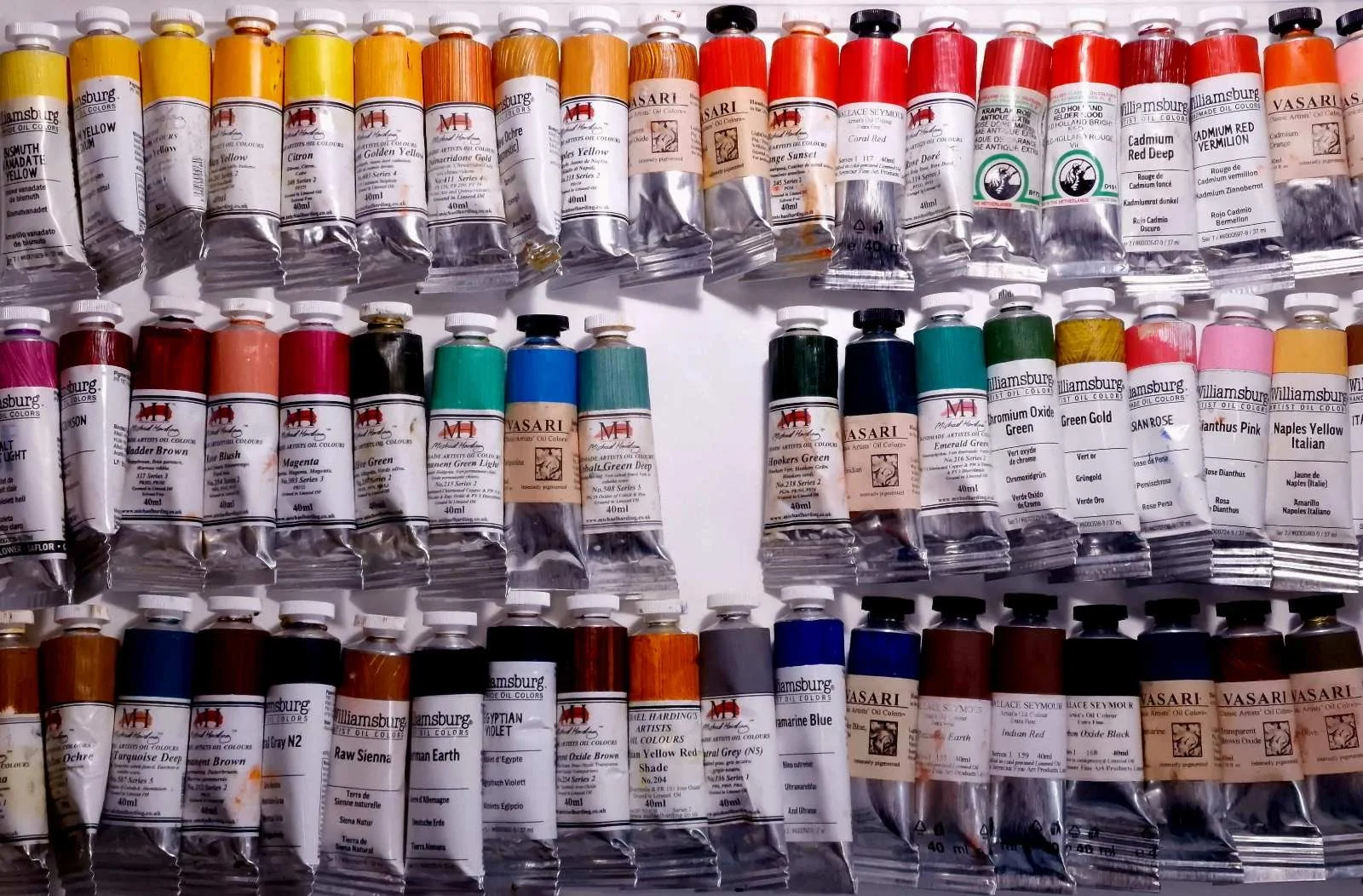
The materials available to artists are not shaped by artistic value alone. Economic, regulatory, industrial and market forces are already determining what survives, what changes, and what disappears. I call this invisible process the Material Selection System - a system no one designed as cultural policy, yet one that may be shaping the material language of future art.
What If Some Artists’ Materials Are No Longer Just Products?
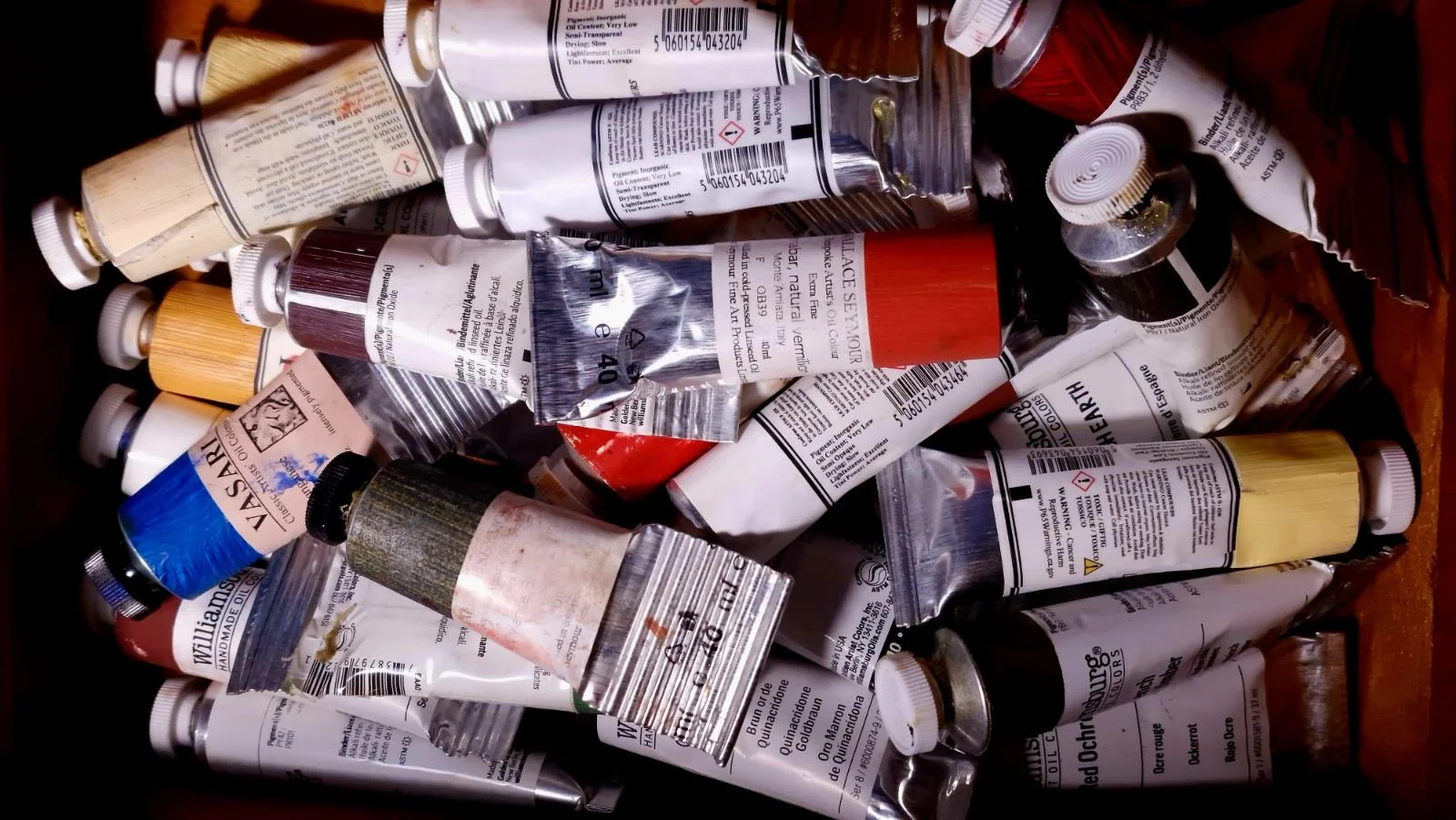
What happens when an artist’s material disappears before culture has even recognised its value? This essay asks whether certain pigments, technologies, and bodies of material knowledge should be understood as cultural heritage - and who gets to decide what the artists of the future will still be able to choose.
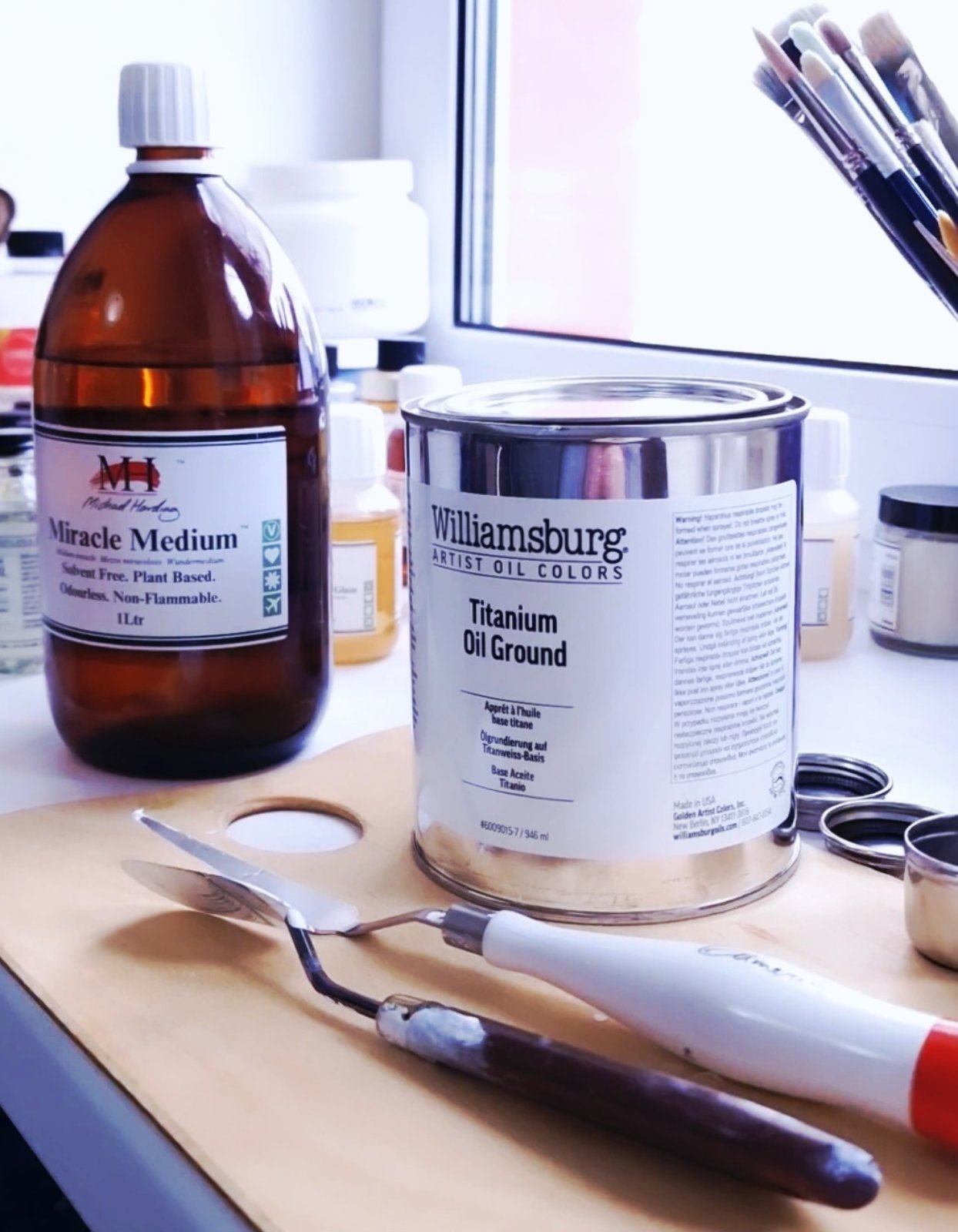
We Preserve Artworks. But Do We Preserve the Possibility of Making Them?
What if preserving art means more than preserving artworks? This essay asks what happens when materials, embodied knowledge, studio practices and the ability to transmit them disappear while the objects they once made possible remain. It proposes an archive of possibility: a way of thinking about cultural preservation not only through what survives, but through what future artists remain able to know, choose and make.
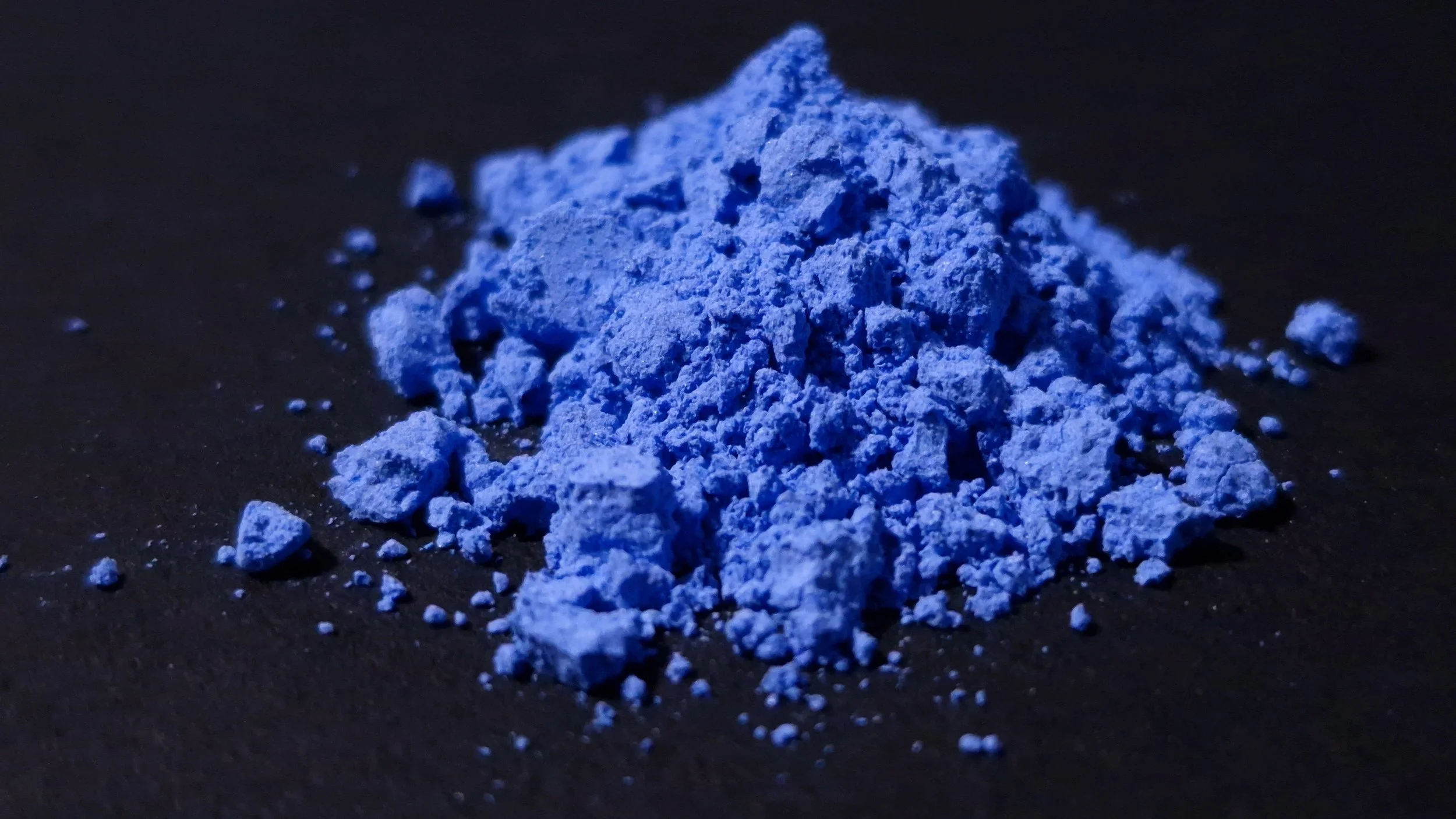
Who Pays to Keep a Colour Possible?
What happens when a pigment remains culturally significant but is no longer economically viable to produce? A manufacturer may discontinue a colour, but the consequences can reach far beyond a product catalogue. When a material disappears, the future palette of art changes with it - and an entire generation may never know what it has lost.
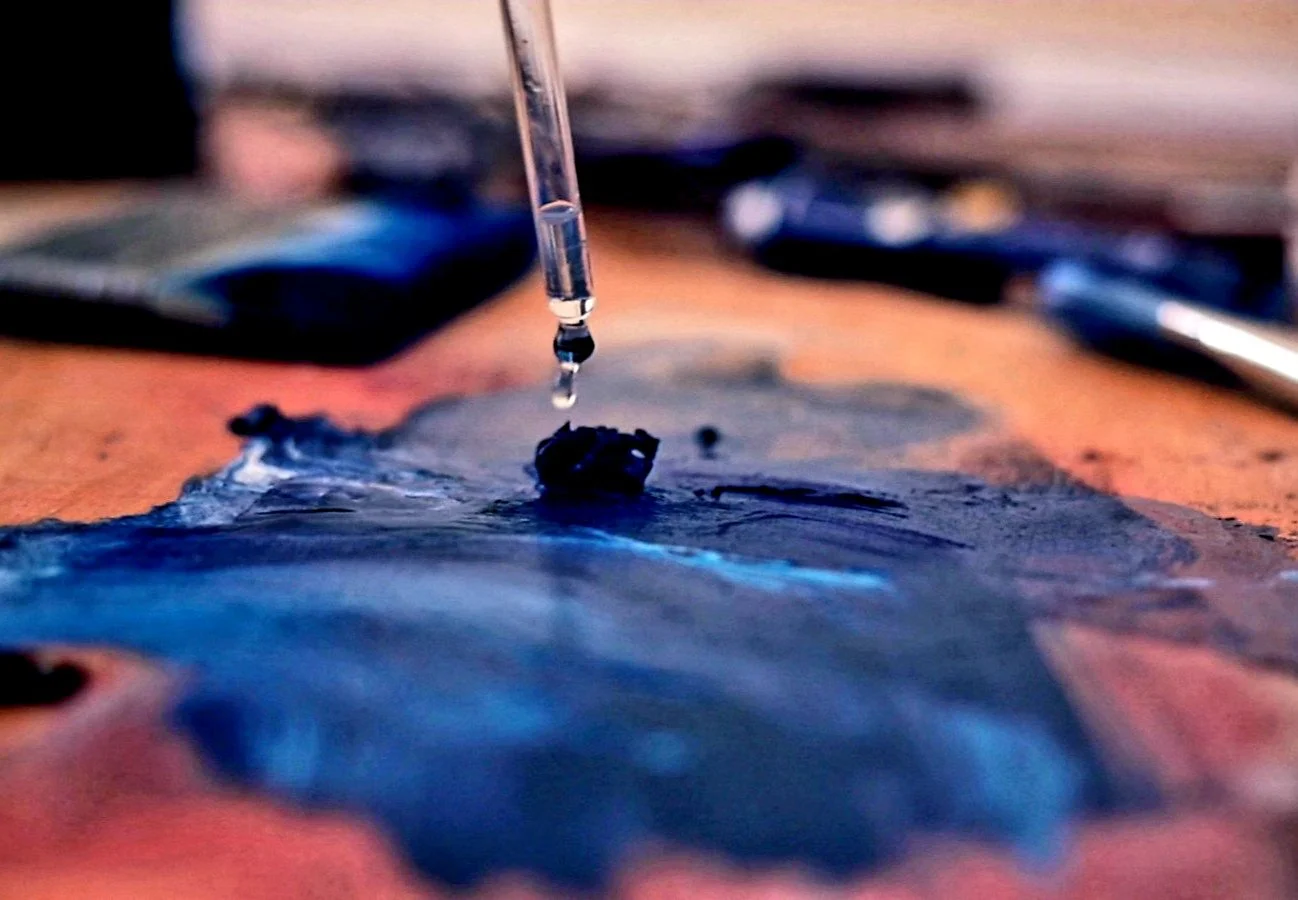
Can a Museum Preserve a Material That No One Knows How to Use Anymore?
What does it mean to preserve an artistic material if the knowledge of how to use it disappears? A pigment may survive in an archive while the practical knowledge once held in artists’ hands quietly vanishes. This essay asks whether preserving a material also means preserving the living chain of knowledge around it.
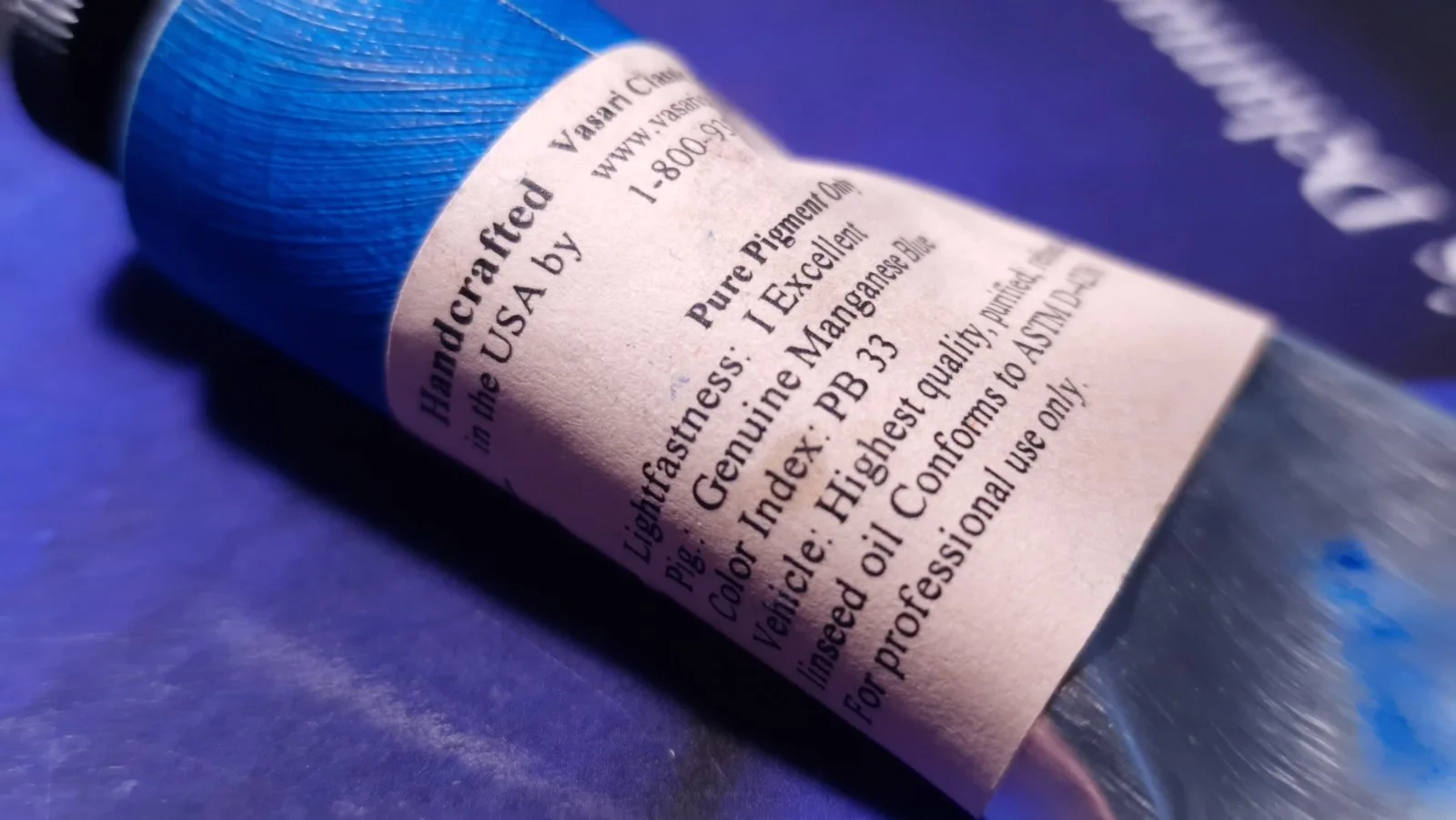
Who Decides Which Pigment Disappears Next?
When a pigment disappears, we lose more than a colour. We may lose a material behaviour, a body of practical knowledge, and part of what future artists are able to do with paint. Who decides what is allowed to disappear - and when does that decision become a matter of cultural responsibility?
The History of Pigments Is Usually Written as a History of Arrivals. What If We Recorded the Departures?
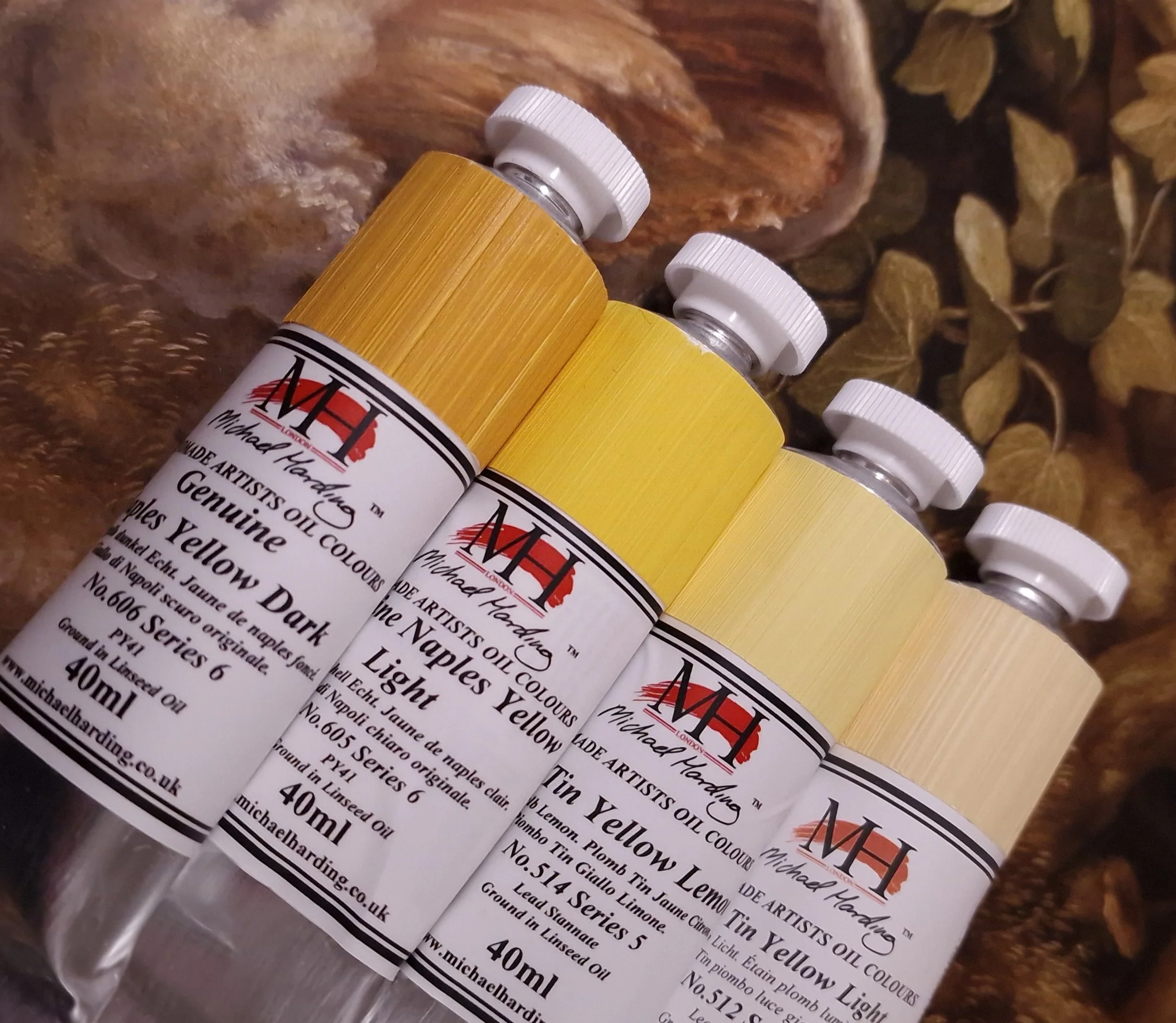
The history of pigments tells us when new materials became possible. It rarely tells us when those possibilities disappeared. What if the history of colour were written not only through what artists gained, but also through what they could no longer do?
A Pigment Disappears Before We Stop Making It
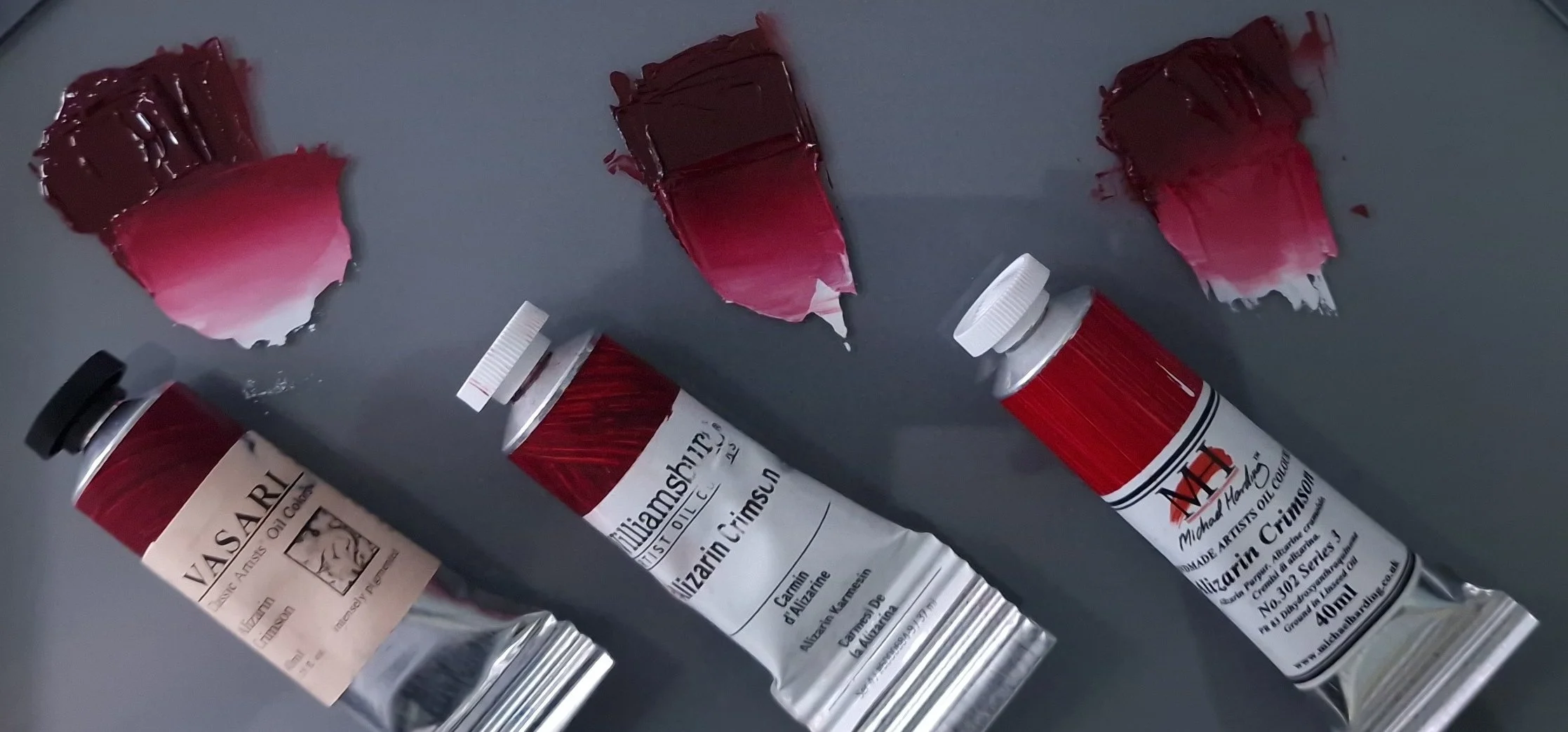
A pigment may begin to disappear long before production ends. What happens when a material’s unique behaviour is reduced to a similar colour - and substitution gradually becomes equivalence?
What Exactly Do We Preserve When We Preserve an Artist Material?
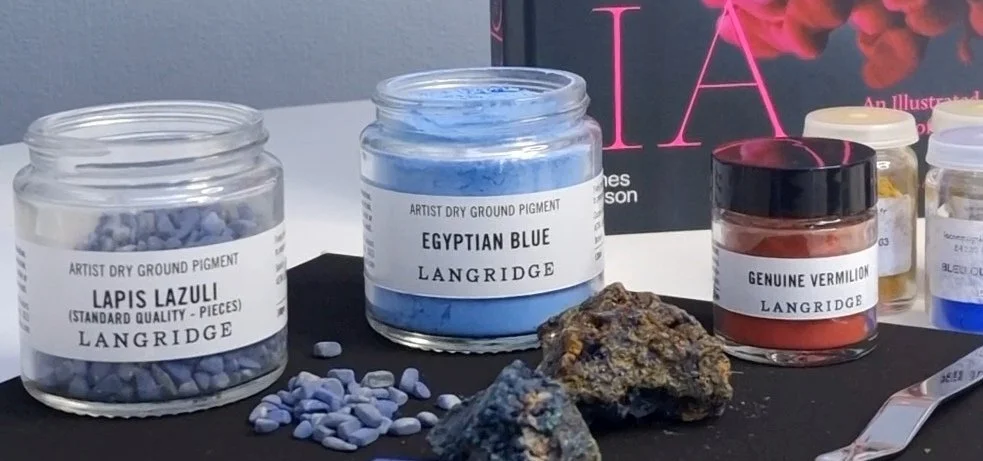
What does it mean to preserve an artist material if the substance survives but artists can no longer work with it? This essay examines the difference between physical survival and continuity in artistic practice, introducing the concepts of Palette Extinction, Practice Memory, and Material Discontinuity to consider what is lost when a material leaves the artist’s palette.
When Art History Forgets Its Own Conditions
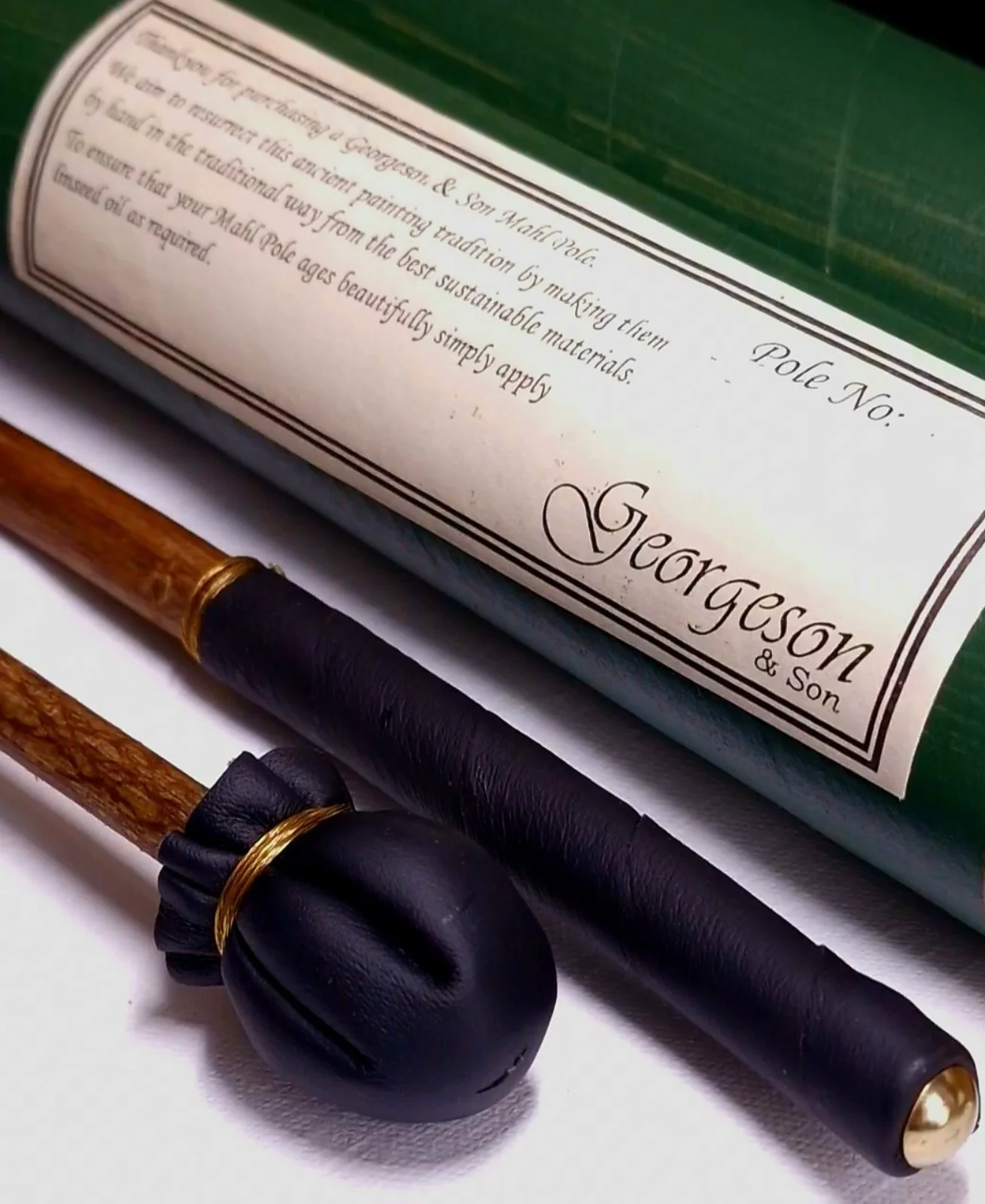
Art history has greatly expanded its understanding of the materiality of art, yet artists' materials are still most often studied only after an artwork already exists. This essay argues that materials should also be understood as conditions that shape the historical space of artistic possibilities, inviting a reconsideration of what art history preserves - and what it has overlooked.