Some Works of Art Take Years to Reveal Themselves
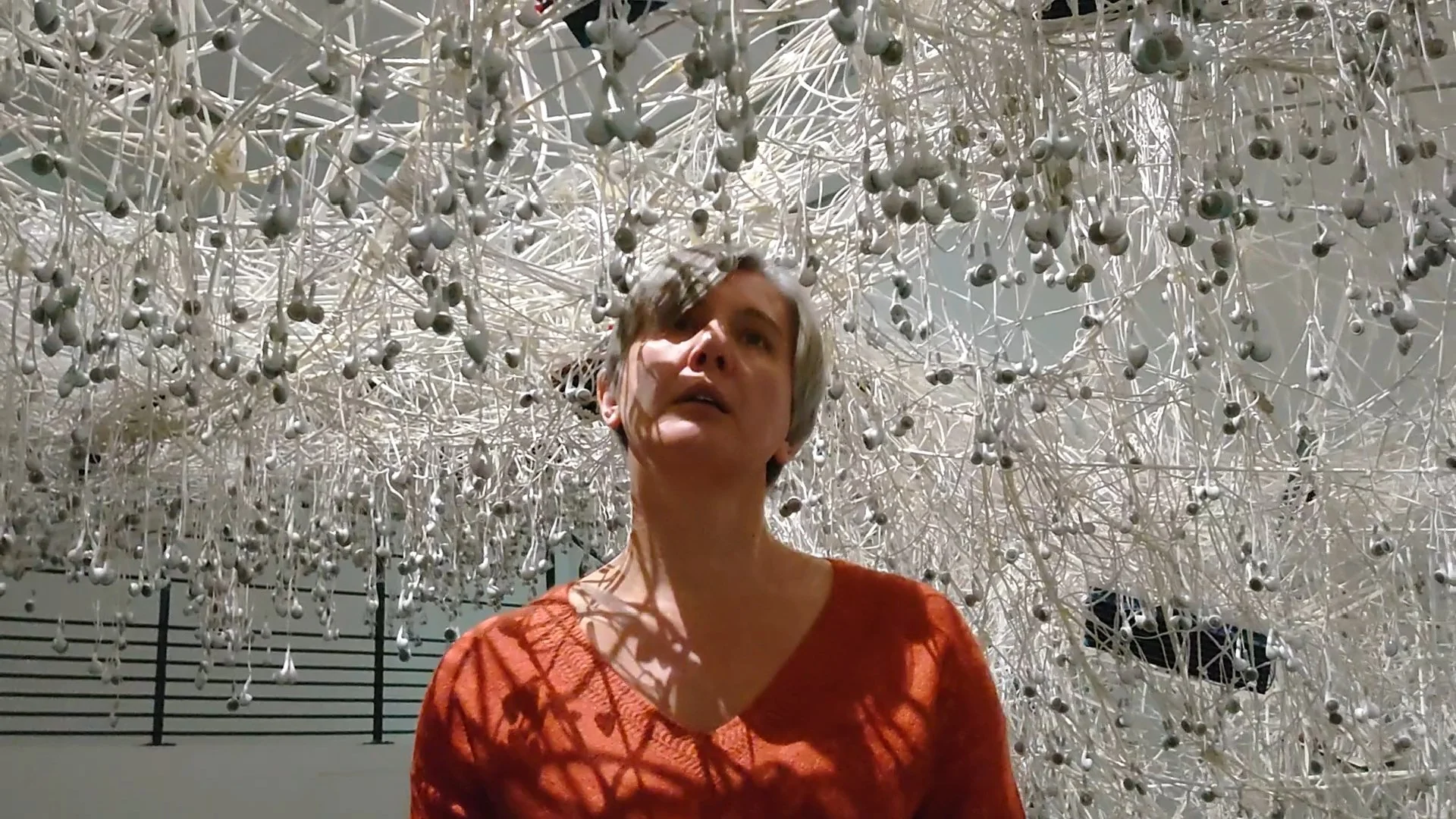
I've always found it curious how quickly we expect to understand art. We walk through a gallery, spend a few moments with a painting or an installation, and almost immediately decide whether it speaks to us. As though a few minutes could ever be enough to understand something an artist may have spent years creating.
The longer I live alongside art, the less I believe in first impressions.
Some works are never meant to be understood instantly. They seem to carry questions the world hasn't yet learned how to answer. At first they may feel unfamiliar, even unsettling. We sense that something important is there, but we can't quite name it.
Then life moves on.
Years pass.
And one day we encounter the same work again.
Nothing about it has changed.
We have.
The world around us is different. Our habits are different. Technology has reshaped the way we think, communicate, and pay attention. We begin to notice things we simply weren't capable of seeing before. Suddenly, the artwork speaks with remarkable clarity—not because the artist has explained it, but because we have finally grown into the questions it was asking all along.
This, to me, is one of the most extraordinary qualities of art. Great artists do not necessarily predict the future. More often, they observe the present with such precision that the future eventually recognizes itself in their work.
That is why truly significant works rarely become less relevant with time. They become richer. Every generation discovers something new in them because every generation arrives carrying different experiences, different anxieties, and different ways of seeing the world.
Perhaps that is what fascinates me most about art. A meaningful work never rushes to explain itself. It has the patience to wait until its time arrives. And when that moment finally comes, we realize that we were never looking at the future at all. We were looking at our own present - long before we had the words to understand it.
