Why Some Paintings Last for Generations While Others Do Not
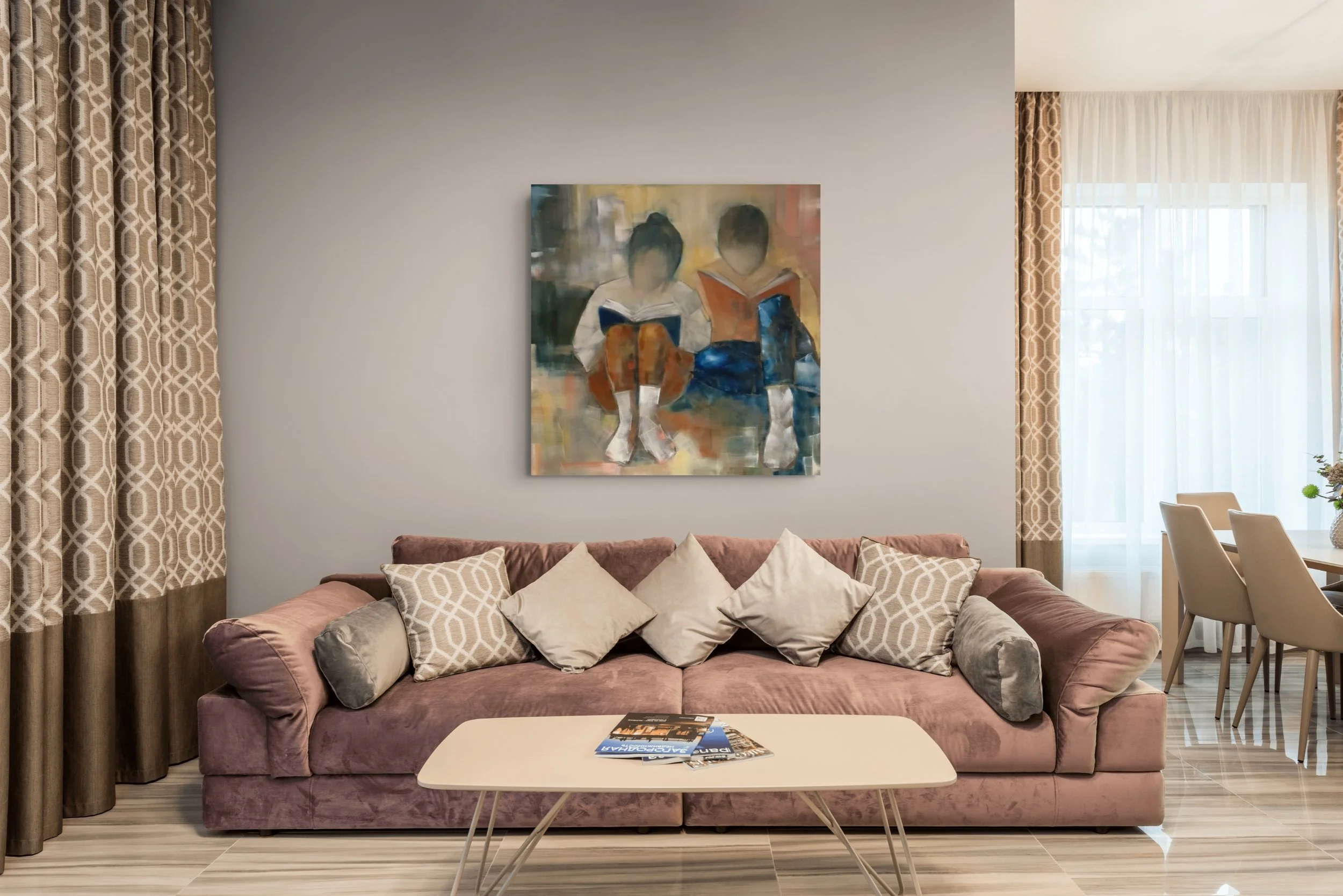
When we fall in love with a painting, it is rarely because we know how it was made. We respond to something much more immediate. The light. The colour. The atmosphere. The quiet feeling that makes us stop and look a little longer.
What many people do not realise is that every painting continues to change long after it leaves the artist's studio.
Just as wood matures, leather develops a patina, and bronze slowly changes over time, an oil painting also ages. The difference is that not all paintings age in the same way. Some retain the richness of their colours and the depth of their light for decades. Others gradually become duller, darker or more fragile. Two paintings may look equally beautiful on the day they are finished, yet look very different fifty years later.
The reason often lies in something the viewer never sees.
Every painting is built from layers. The surface, the ground beneath the paint, the oils, the pigments and the varnish all become part of a single structure. Each material has its own lifespan and its own way of responding to time, light and the environment. Choosing them carefully is just as important as choosing the composition or the colours themselves.
This is why museums, conservators and experienced collectors pay so much attention to the materials behind a work of art. They understand that a painting is not created only for today. It is created with the hope that it will continue to be enjoyed many years from now.
The same philosophy guides my own practice.
I choose professional materials not because they carry prestigious names, but because they have earned the trust of generations of artists through their permanence and reliability. I want the colours to remain vibrant, the transparent layers to preserve their luminosity, and the surface to mature beautifully over time rather than lose the qualities that first gave it life.
For me, these choices are inseparable from the painting itself. The emotional experience of a work does not end with its subject or its colours. It also lives in the confidence that the painting has been created with respect for its future.
Original paintings often become part of everyday life in ways we never expect. They move from one home to another, witness family celebrations, quiet evenings, changing seasons and new chapters. Over time they become more than objects on a wall. They become part of a family's history.
That is why I believe every painting deserves to be made with the same care we hope it will receive throughout its life.
Not only for the people who see it today, but for those who may one day inherit it.
