The Invisible Collection: The Paintings We Carry Without Owning
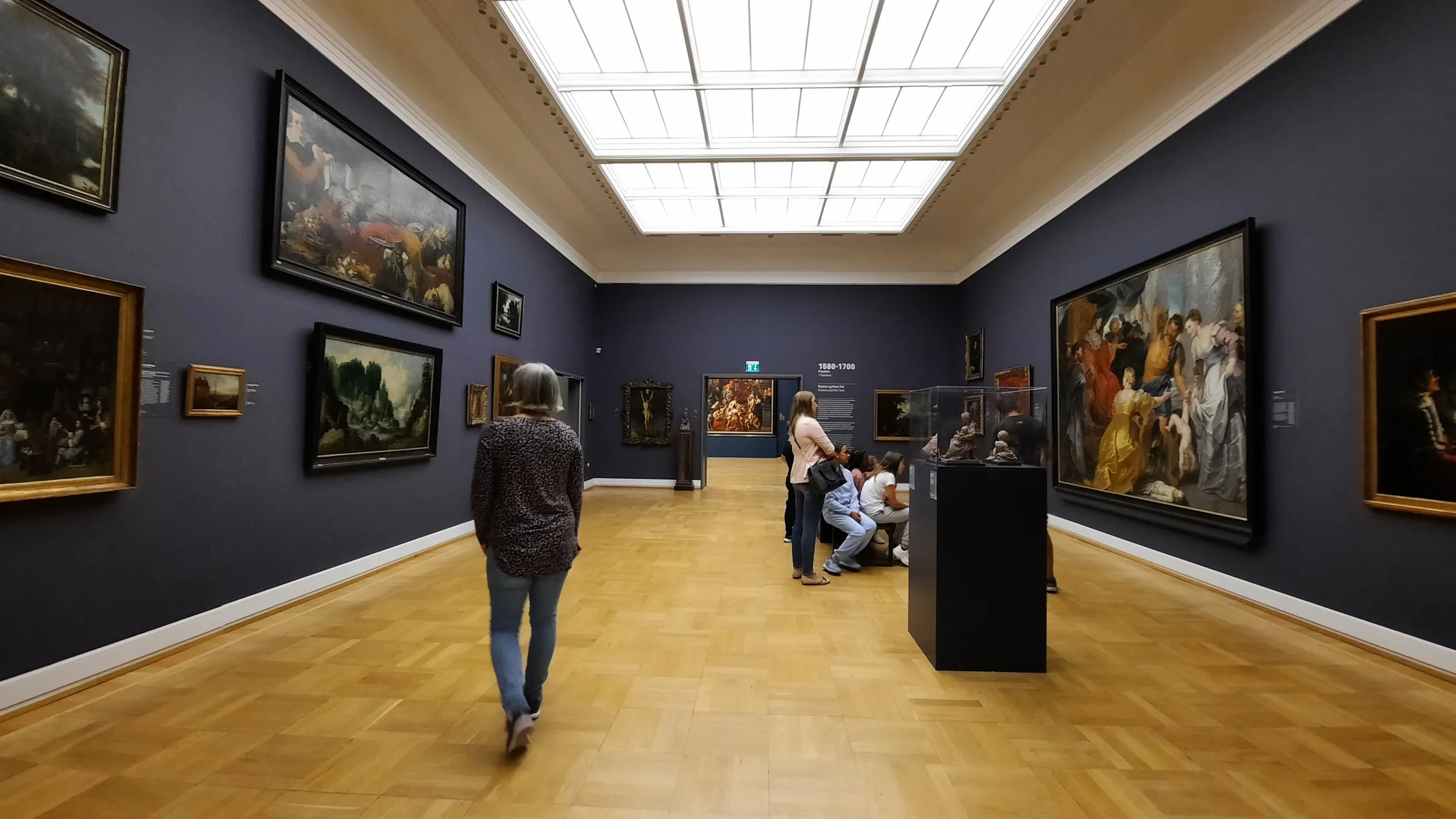
What is the most valuable painting in your life?
Do not answer too quickly. There is every chance that you never bought it, never hung it on your wall, and perhaps never even thought of it as yours. It may have remained in your grandmother's home, accompanied you through a school corridor each morning, appeared unexpectedly in a small museum during a journey, or simply been a reproduction that thousands of people passed without a second glance.
Perhaps you no longer remember the artist's name, the title, or even the city where you first encountered it. And yet, for reasons that are difficult to explain, that painting has never really left you.
There is something extraordinary about art that is rarely spoken of. We tend to believe that a collection begins with a purchase, with the first certificate of authenticity, the first empty wall waiting to be filled, or the first painting that finally finds its place in our home. Yet it may be that a true collection begins much earlier, long before we ever imagine ourselves becoming owners of art.
I have often thought that each of us carries another kind of collection. It cannot be displayed, appraised, sold, inherited or catalogued. It asks for no storage, no insurance and no special conditions because it exists in the only place where its value can truly remain intact: within memory itself.
Every painting that has ever persuaded us to pause, even for a few quiet moments, becomes part of that invisible collection. Years later we may have forgotten where we encountered it, yet we immediately recognise its light, its colours, or the peculiar stillness we once experienced while standing before it. In that moment we realise something almost impossible to explain: the painting has continued to live with us long after we believed we had left it behind.
We rarely notice how our taste is formed. We imagine that one day we simply begin to understand art, as though perception arrives suddenly and without preparation. In reality, it grows with extraordinary patience, shaped by hundreds of chance encounters, by works that held our attention a little longer than the others, by paintings we found ourselves returning to without ever fully understanding why. Slowly, almost invisibly, they reshape the way we notice light, colour, space and silence, until one day we realise that the way we look at the world has quietly changed.
Perhaps this is why people become collectors long before they make their first purchase. It happens not when a painting is acquired, but when one can no longer be forgotten. That is the moment the first work enters what may be the most important collection we will ever possess—the one that exists entirely within us.
We like to believe that we choose paintings. Sometimes, however, it feels as though paintings choose us. Certain works remain quietly present throughout our lives, returning unexpectedly to memory and gradually becoming part of the way we understand light, colour, space and even the ordinary rhythm of everyday life. Long before we recognise it, they begin shaping the way we see the world itself.
Perhaps that is why the true value of art has never been defined by ownership alone. It is entirely possible to buy a painting and never truly live with it. It is equally possible to encounter a work only once, spend a few quiet minutes in its presence, and carry it within you for decades without ever realising that it has become part of who you are.
Perhaps this is why the most important collections are never simply the ones that hang on our walls. The most important collections are the ones we carry within ourselves, often for years before we ever think of calling ourselves collectors. The walls, the frames, the certificates and the catalogues all arrive later. They give visible form to something that has already existed for a very long time.
Because every lasting collection begins invisibly.
Only afterwards does it become visible.
