The Painting That Will One Day Tell Your Story
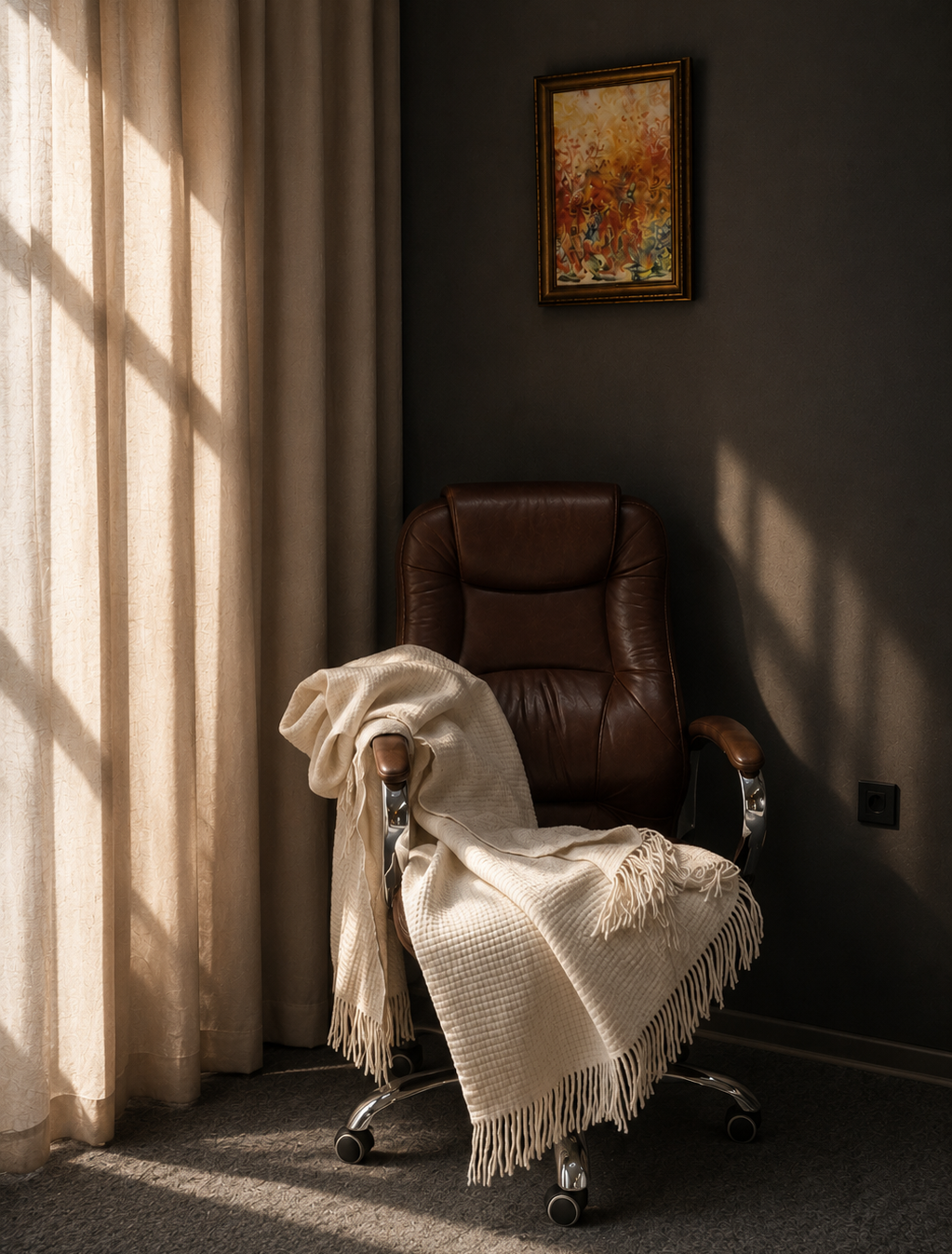
When we choose a work of art, we rarely think beyond the present.
We imagine where it will hang, how it will transform a room, how the light will move across its surface throughout the day. We respond to colour, atmosphere, texture, and emotion. It feels like a deeply personal decision, existing only between ourselves and the painting.
Yet time has a remarkable way of changing the meaning of the things we live with.
What begins as a painting gradually becomes part of a home. It quietly witnesses ordinary mornings and family celebrations, conversations around the dinner table, moments of joy, periods of uncertainty, and the changing rhythm of everyday life. Years pass almost unnoticed. Then decades. One day you realise that this work of art has been present through a significant part of your own life.
Something changes at that moment.
The painting is no longer telling only the story of the artist who created it.
It has also begun to tell the story of the person who chose to live with it.
Perhaps this is why every meaningful art collection becomes a portrait of its collector.
Not because the paintings resemble their owner, but because no one chooses art by accident. Some people are drawn to silence, others to movement. Some search for light, others for complexity, restraint, or colour. Every painting reflects a decision that could have been different, yet was not. Over time, those decisions form a quiet autobiography - one written not with words, but with works of art.
This is also why paintings so rarely remain mere objects of decoration.
Unlike most possessions, they are often kept for generations. They move from one home to another, accompany families through changing lives, and eventually become part of their shared memory. Long after furniture has been replaced and countless everyday objects have disappeared, the paintings often remain exactly where they have always belonged.
For the generations that follow, they become something more than beautiful objects.
A painting can reveal what mattered to the people who came before them. It speaks of the beauty they sought, the emotions they wished to preserve, and the values they chose to surround themselves with. Sometimes a single painting can say more about a person's inner world than photographs, letters, or even memories passed down through conversation.
This is why the story of a painting matters just as much as the painting itself.
Preserving its title, its creator, the year it was painted, and the path it has taken through time means preserving a part of its identity. A Certificate of Authenticity is not simply a document accompanying a purchase. It becomes the first page of the painting's recorded history - a quiet record of the day it left the artist's studio and began a life that would eventually become intertwined with someone else's.
I often think that no painting truly belongs to one person forever.
It simply passes through different lives, carrying a small part of each with it.
That may be one of the most extraordinary qualities of art.
It outlives the artist who created it.
It outlives the collector who loved it.
Yet if its story is carefully preserved, it continues to speak for both - long after their voices have fallen silent.
