Who Chooses an Artist’s Materials?
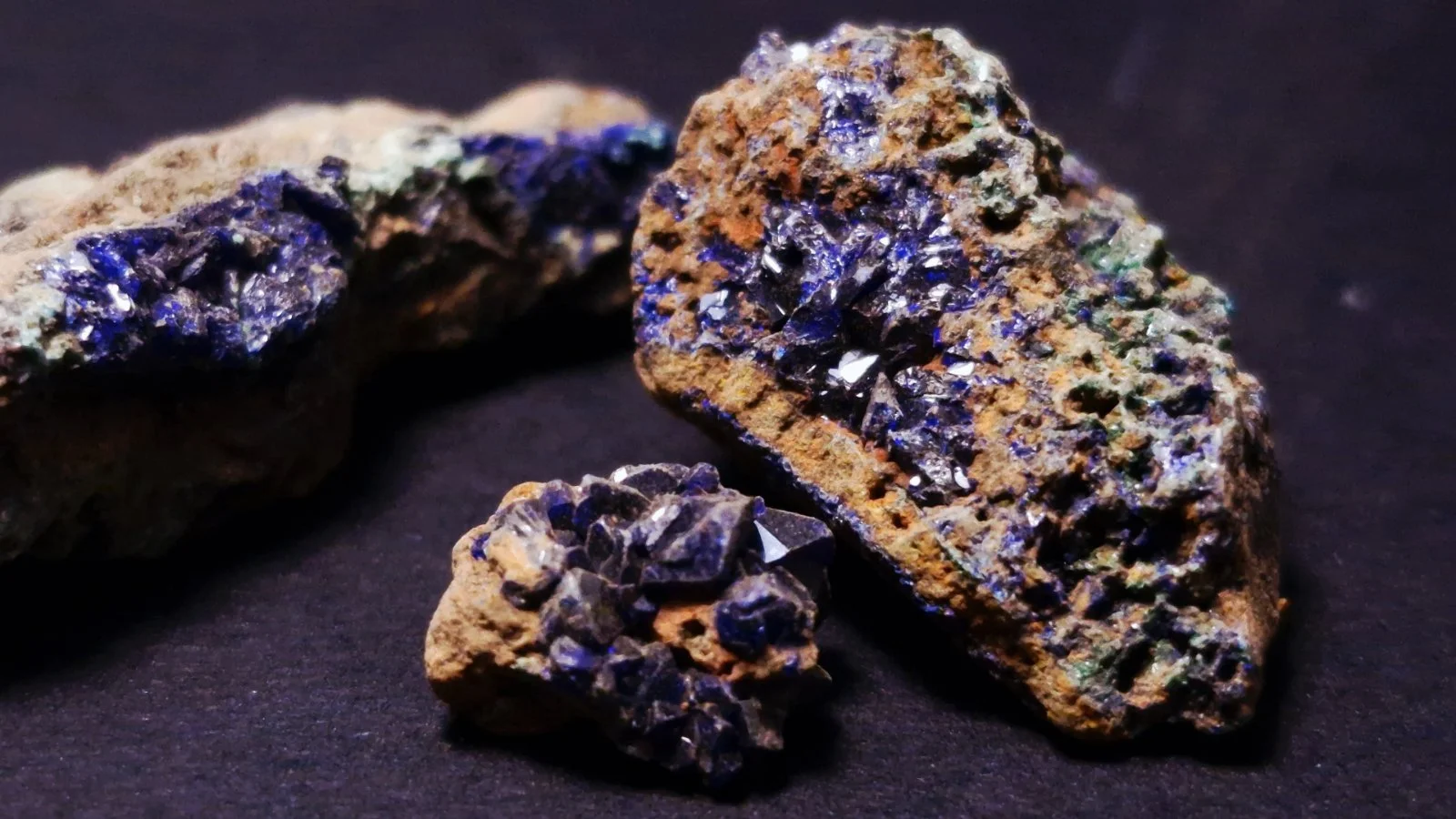
We are used to thinking that artists choose their materials. But in reality, they choose only from what is still available.
When an artist opens a catalogue of paints, oils, and pigments, it may seem that the choice is entirely theirs. Dozens of materials are presented as if they simply exist, waiting to be selected. Yet that choice did not appear on its own. Long before the artist makes the first brushstroke, an entire chain of decisions has already been made.
It begins far beyond the studio. A geologist determines whether the necessary mineral deposit exists, whether it can be reached, and whether extraction is possible on an industrial scale. Chemists and toxicologists then study the substance itself: its properties, its stability, its effects on human health, and its impact on the environment. Sometimes it is at this stage that a material is judged too dangerous to continue using.
Regulators and lawmakers act on those findings. They may restrict a substance, introduce new production requirements, limit its transportation, or ban its use altogether. Then another decision is made by the manufacturer. Even when a material remains legal, producing it must still make economic sense. Raw materials may become too expensive, the production process too demanding, safety requirements too costly, or demand too low to justify continued manufacturing.
At that point, a pigment can disappear not because it failed as an artistic material, but because it no longer works as a commercial product.
The chain does not end there. Logistics becomes another deciding factor. Some materials do not disappear completely; they simply become inaccessible. Transport routes change, storage becomes more expensive, new regulations affect shipping, and geopolitical events interrupt supply. A raw material may still exist, yet no longer reach the places where paint is made.
Finally, the market makes its decision. If too few artists continue to buy a material, manufacturers gradually remove it from their ranges. Not because it was inferior. Not because it had nothing left to offer. Simply because too few people were still asking for it.
Only after all of this does the artist open a catalogue and ask, “Why is this paint no longer available?” By then, the answer has already been shaped far beyond the world of art.
The future of artists’ materials is not determined by artists alone. It is shaped by geologists, chemists, toxicologists, environmental researchers, lawmakers, engineers, manufacturers, logistics specialists, trade regulations, political events, and global markets.
Most of these people will never enter an artist’s studio. They may never handle the paint they have helped preserve, alter, restrict, or remove. They may never see the works that could have been created with it. Yet their decisions determine which materials survive long enough to reach the artist’s hand.
We often say that artists choose their materials. But perhaps the truth is more complicated. Artists choose from the consequences of decisions made by people they will never meet. And those decisions, often made for entirely reasonable reasons, quietly determine what will remain on the palette twenty or fifty years from now.
