 Image 1 of 5
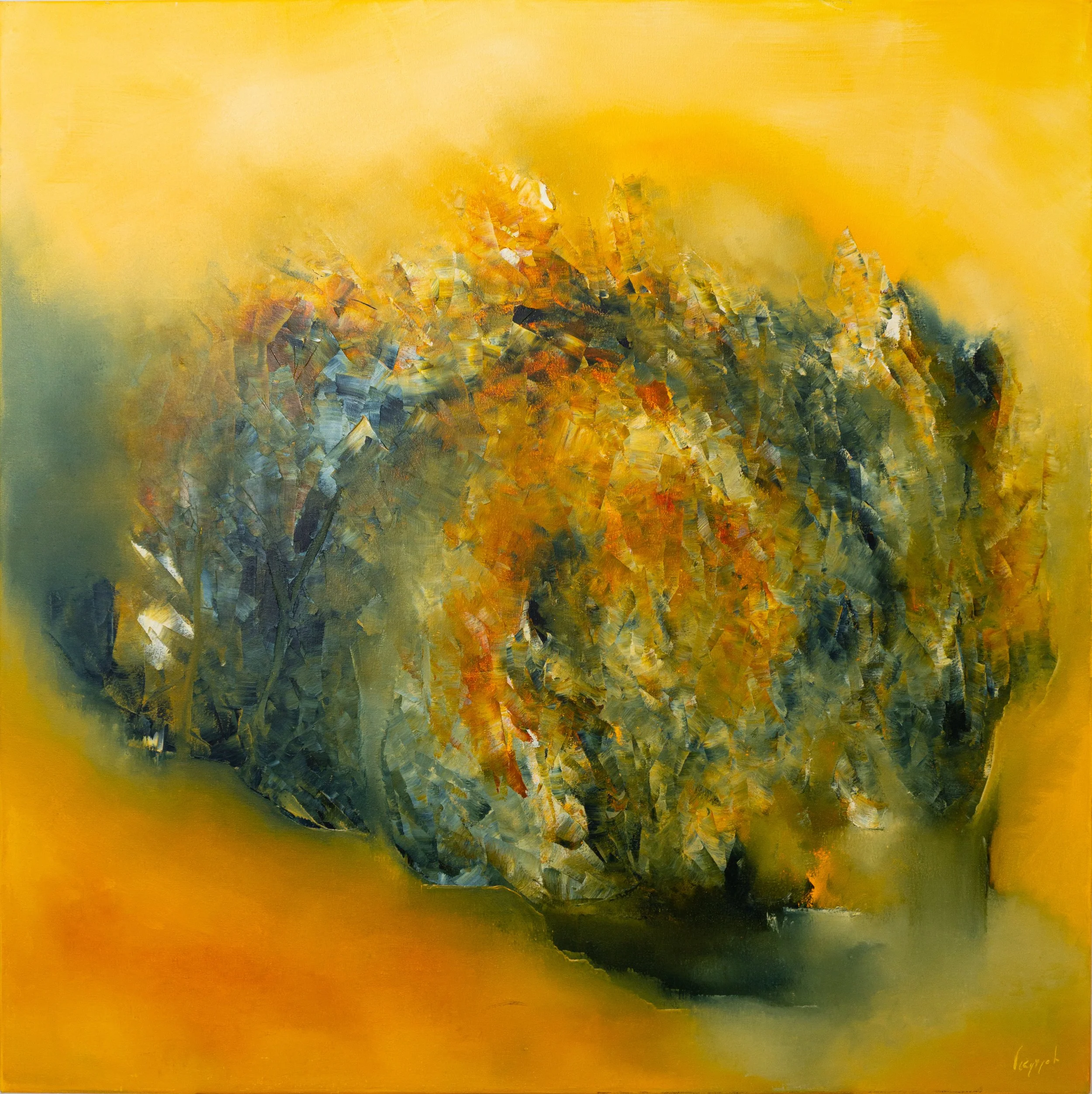 Image 2 of 5
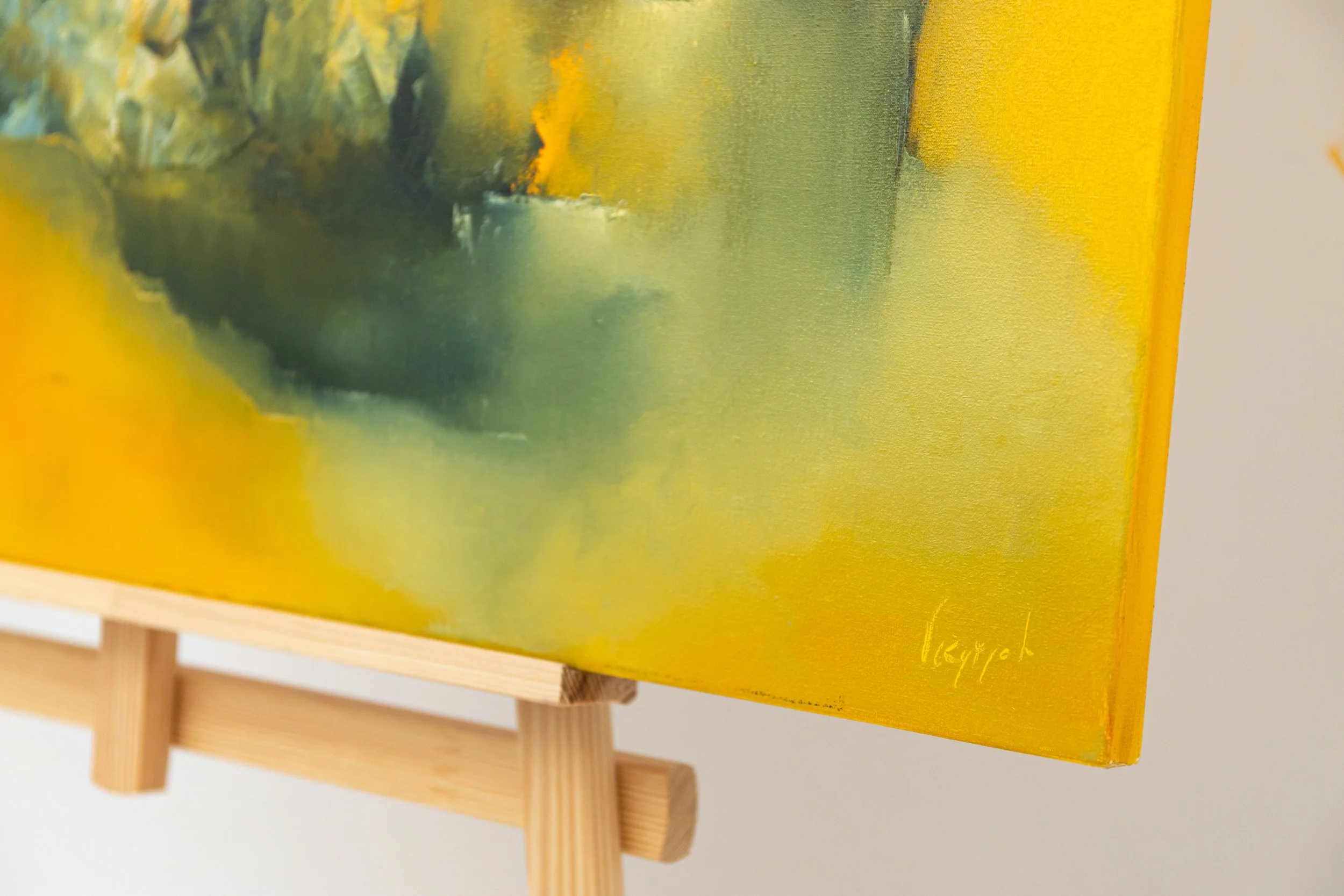 Image 3 of 5
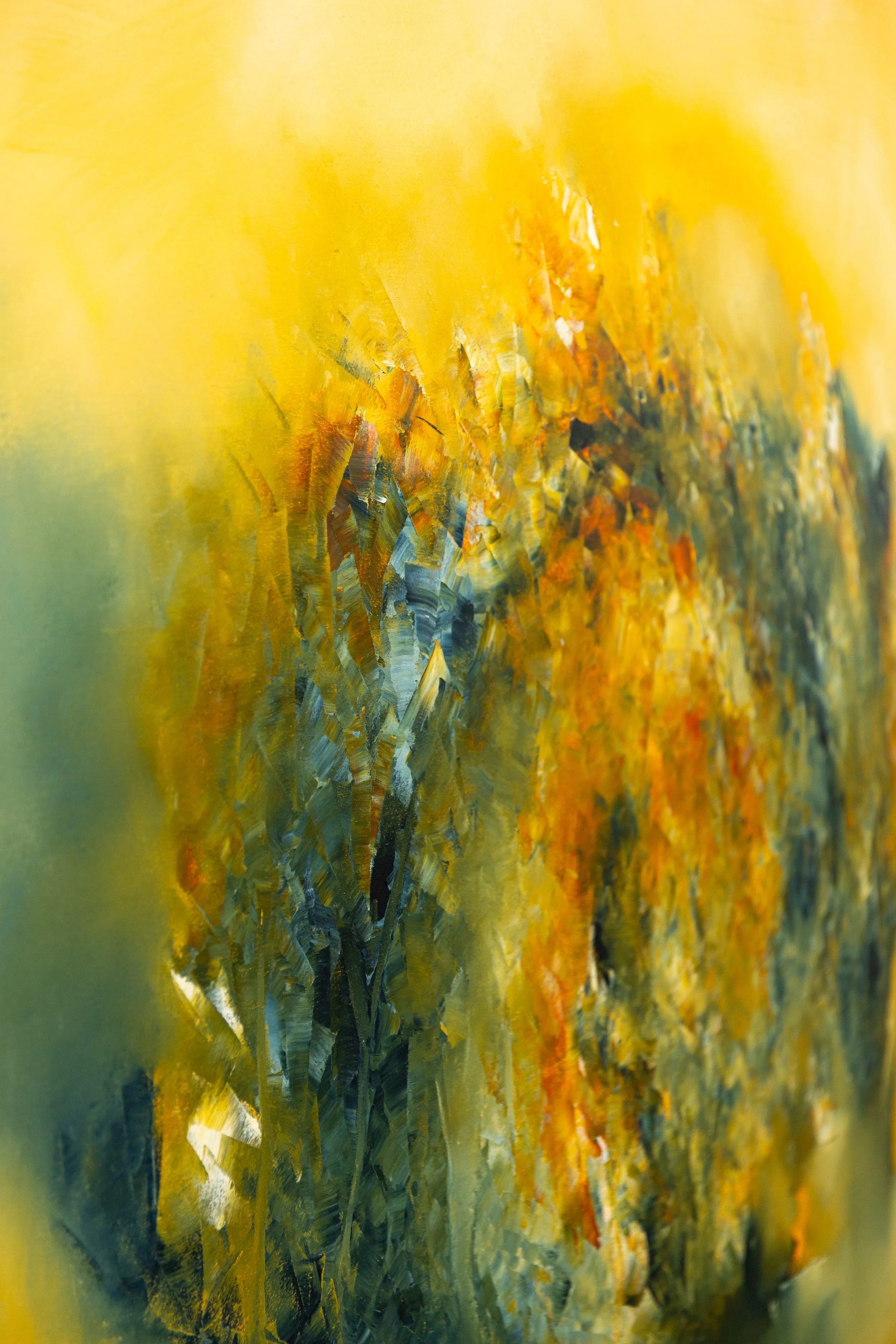 Image 4 of 5
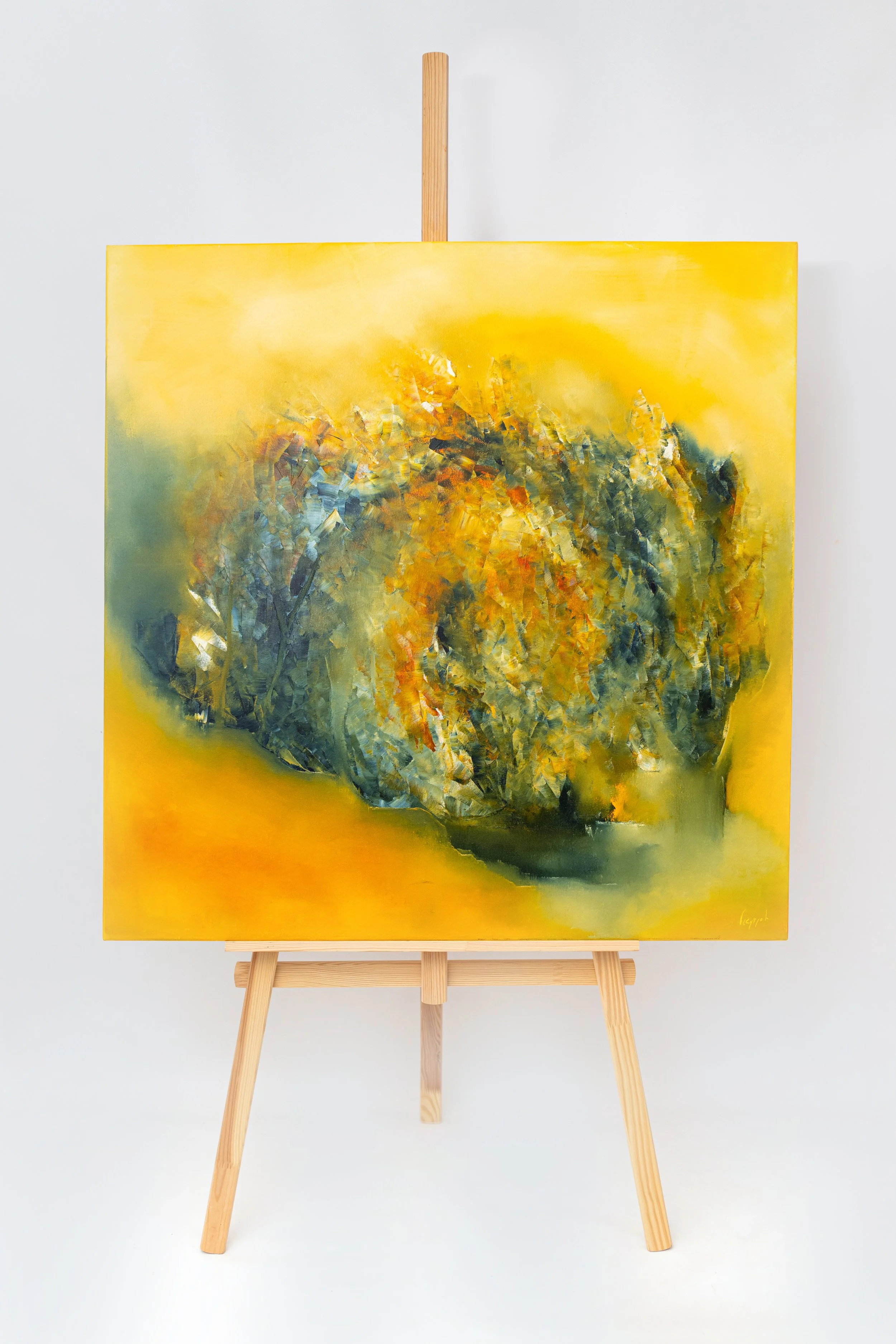 Image 5 of 5
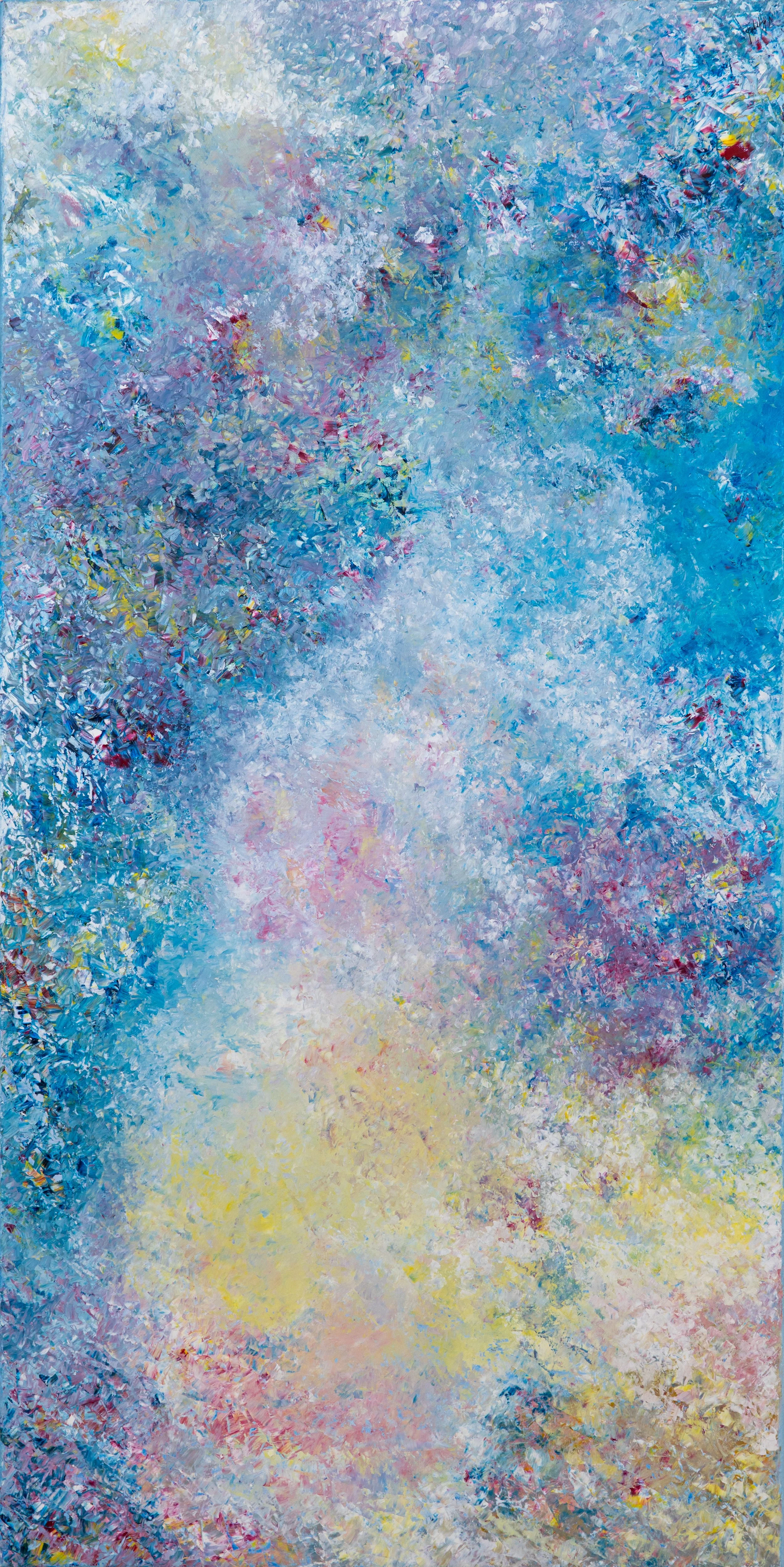
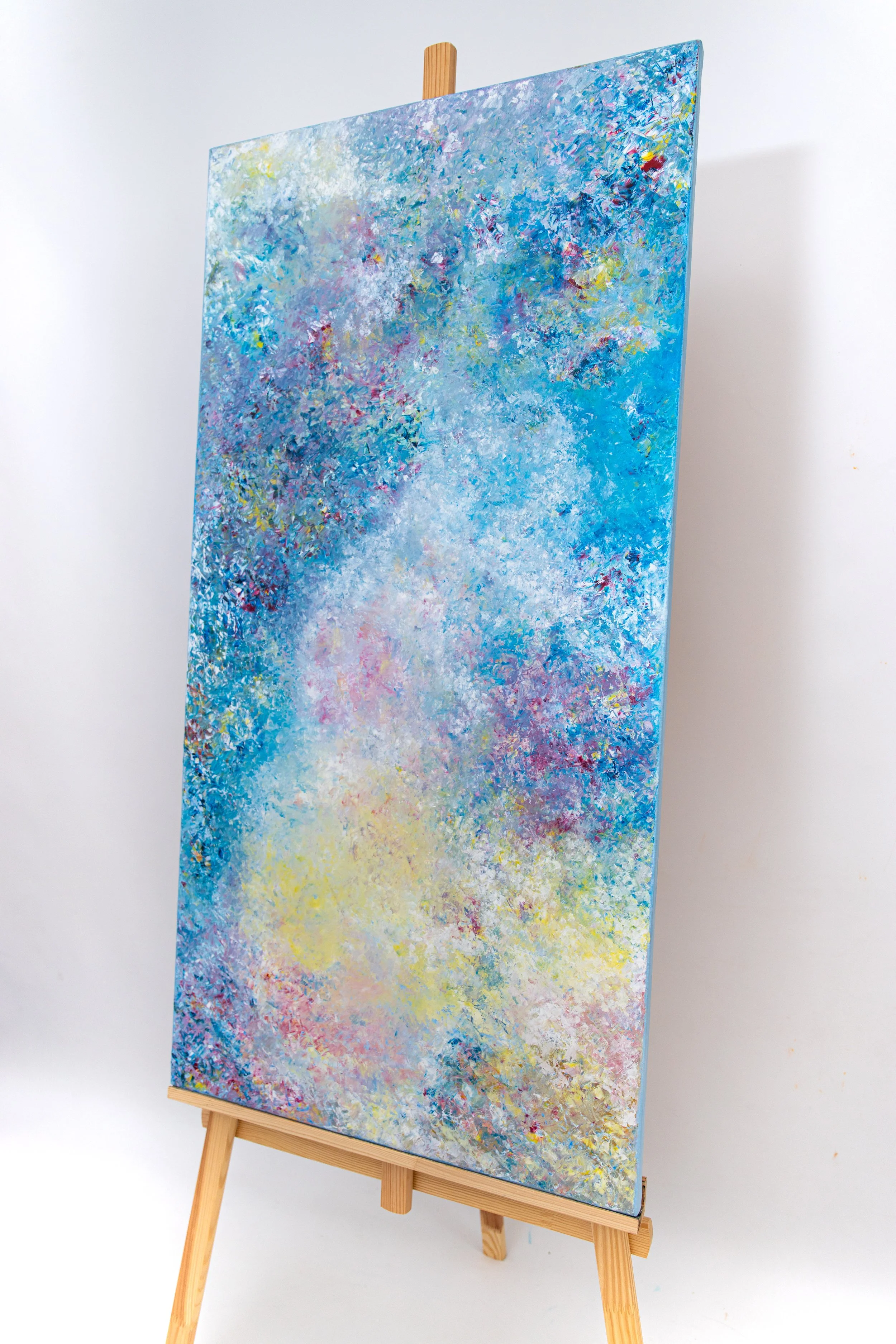
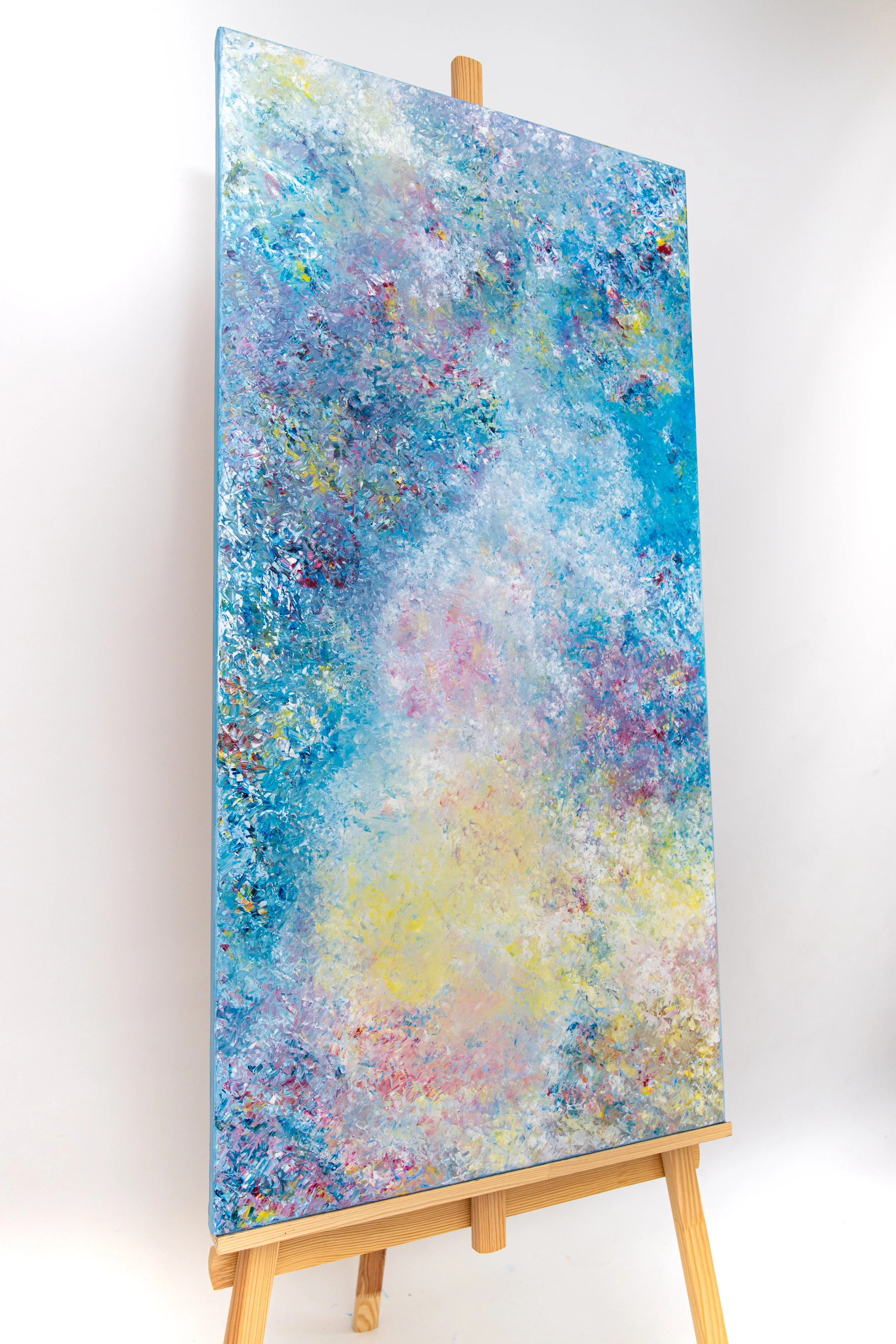
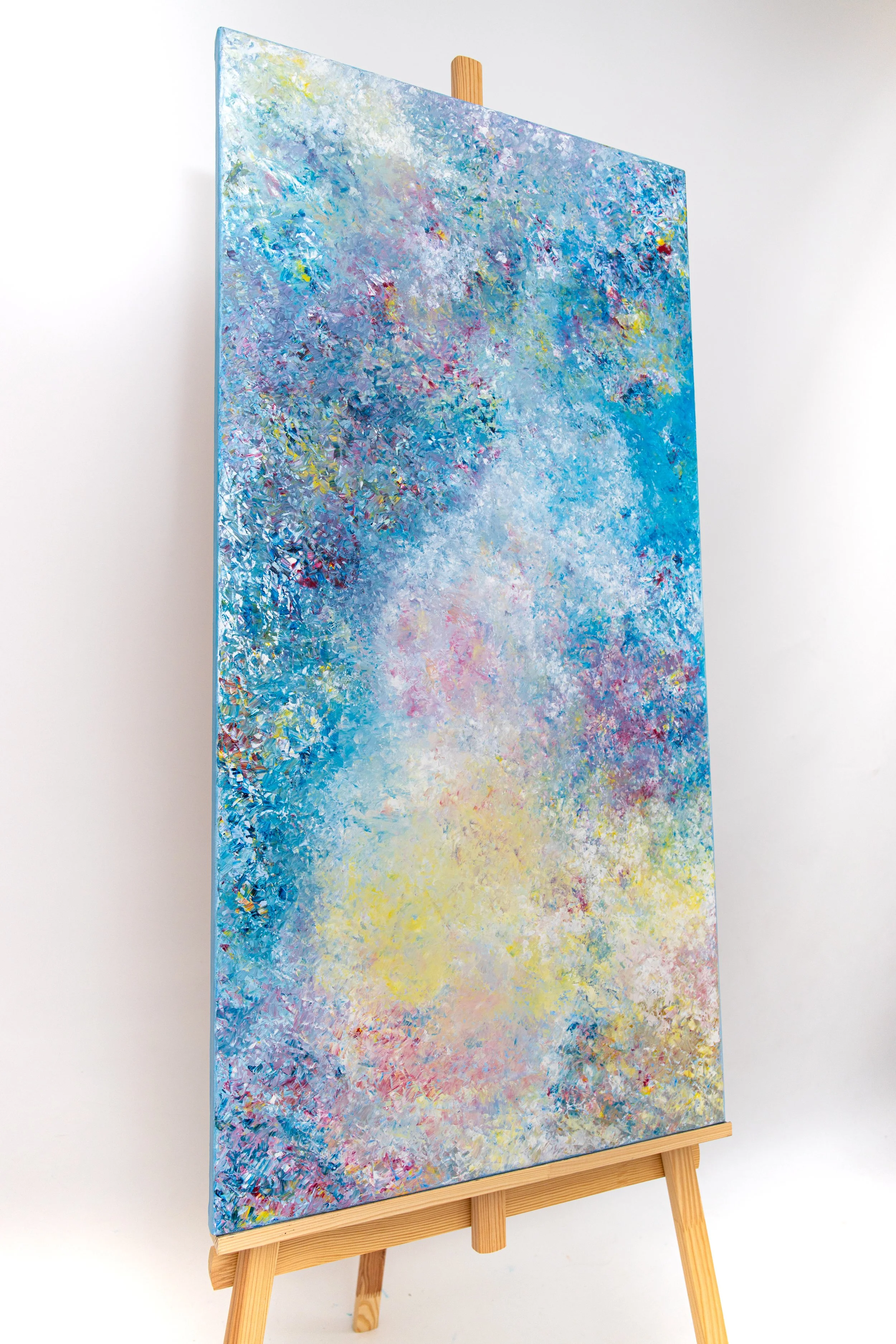
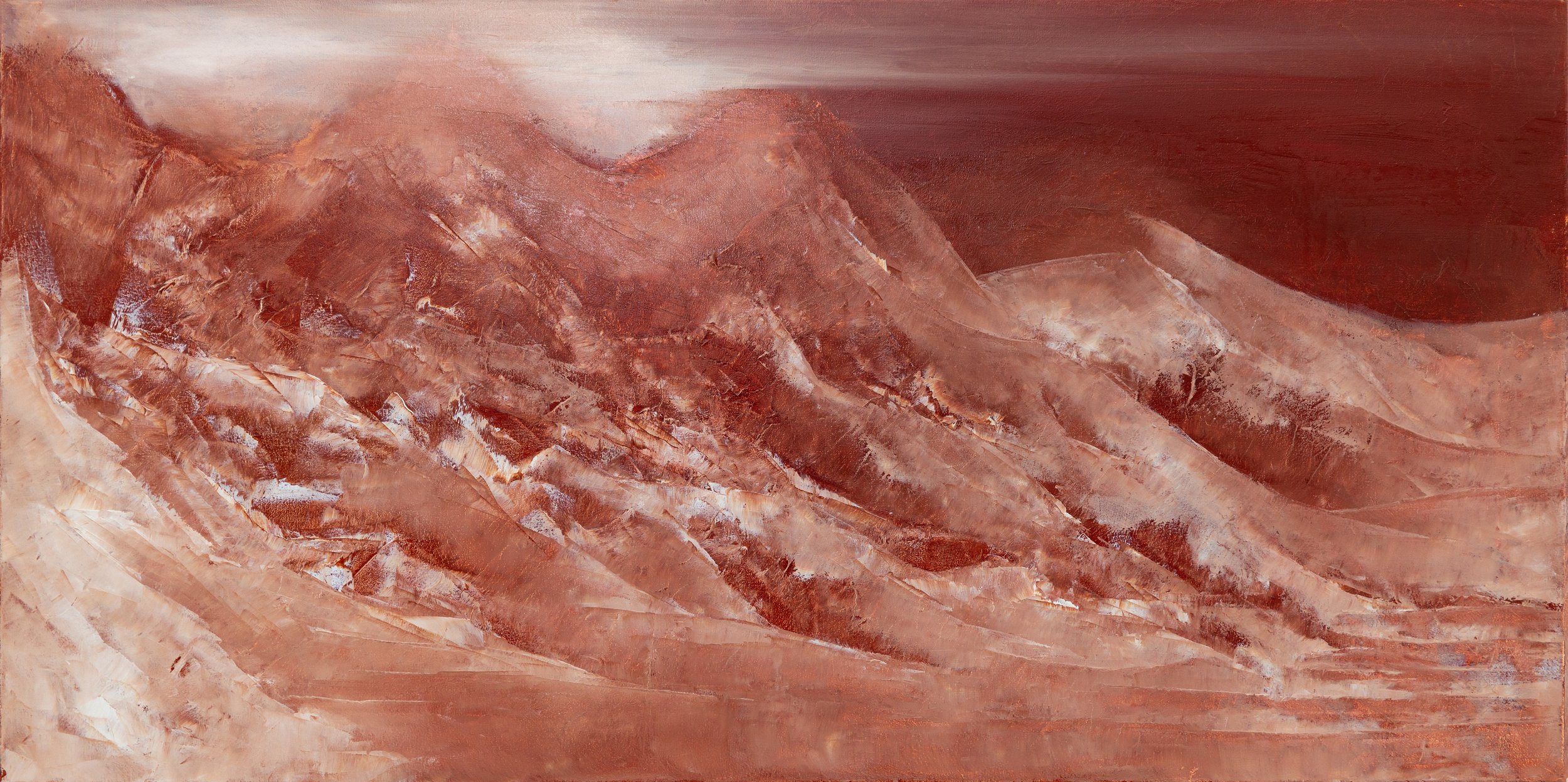
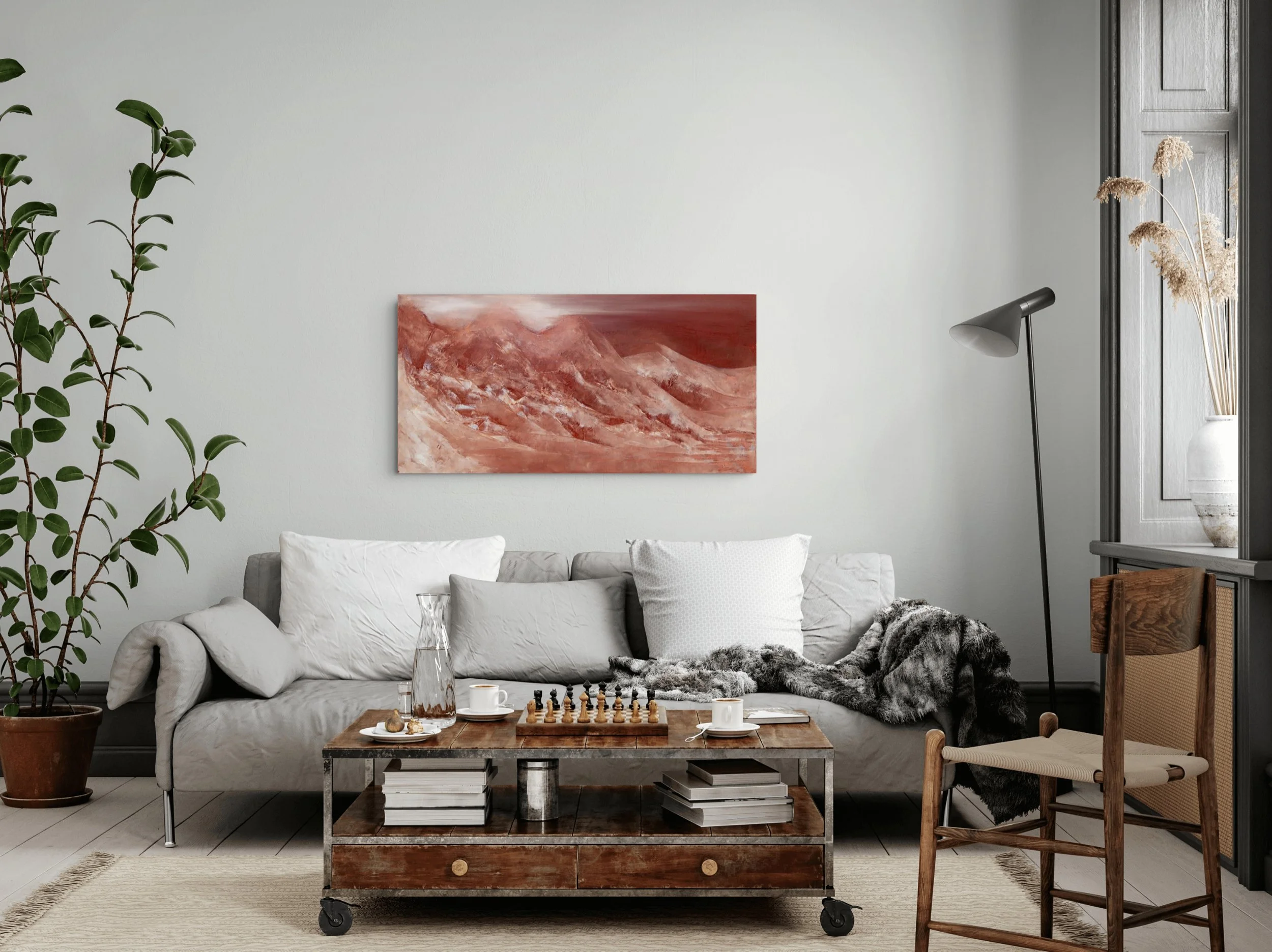
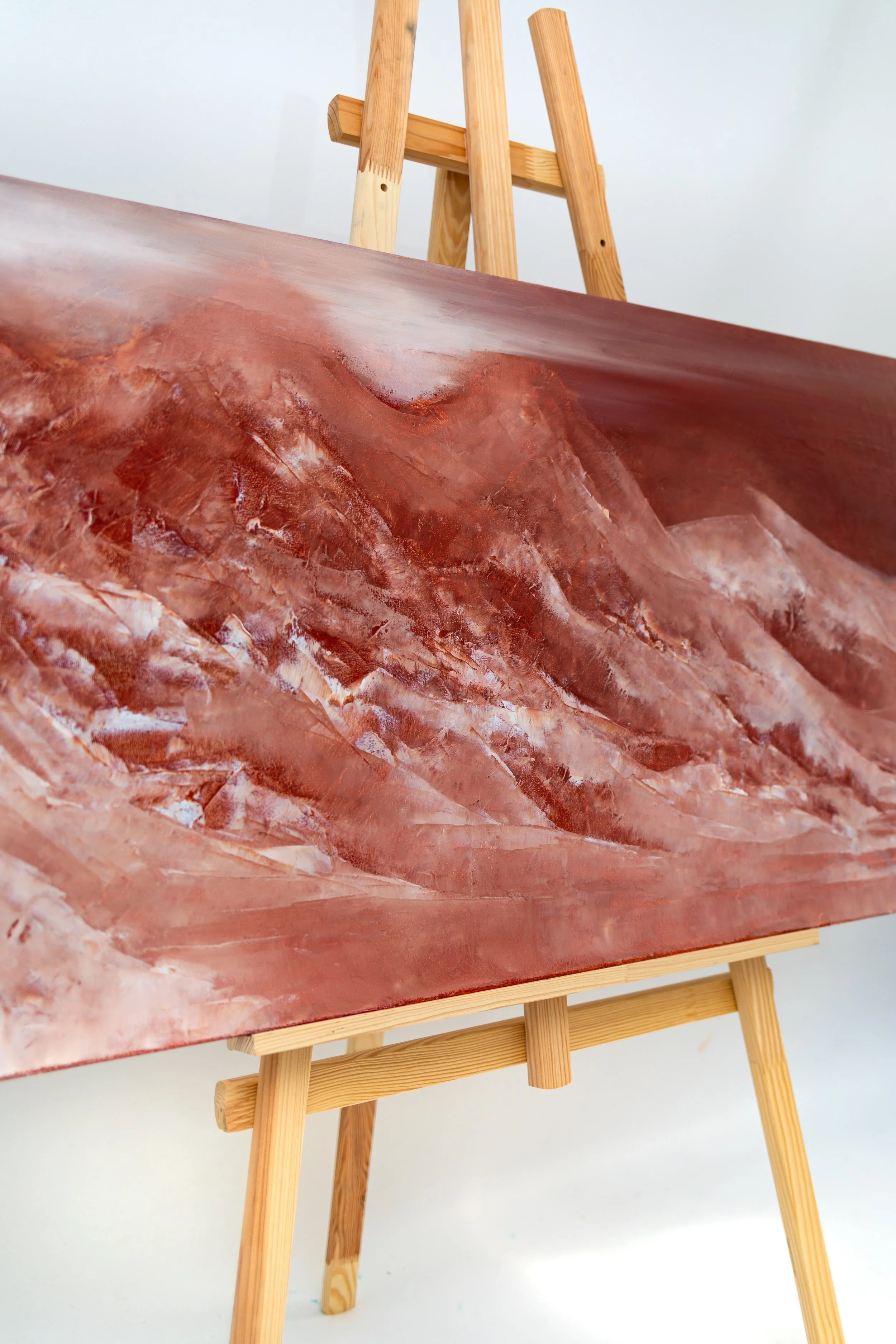
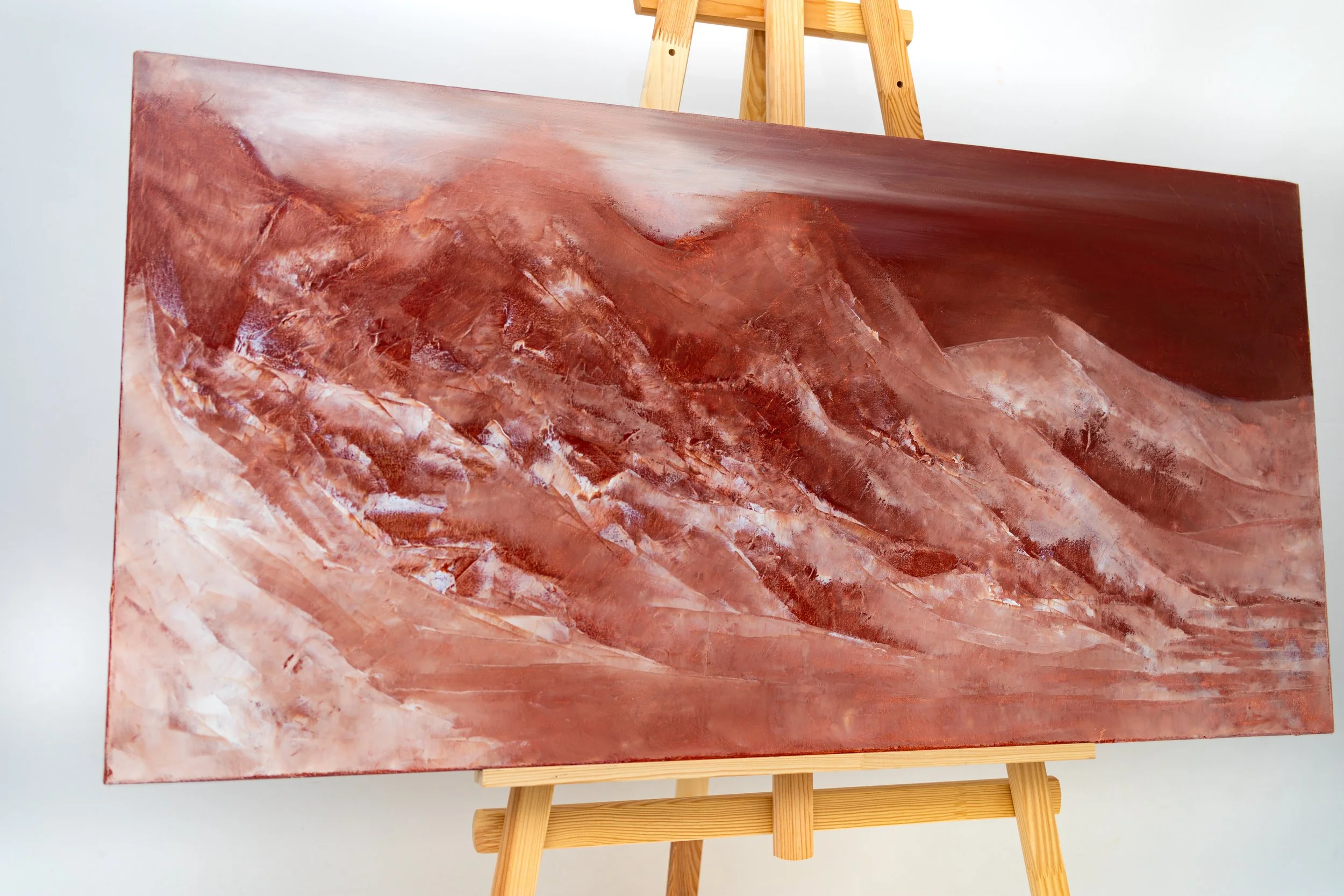
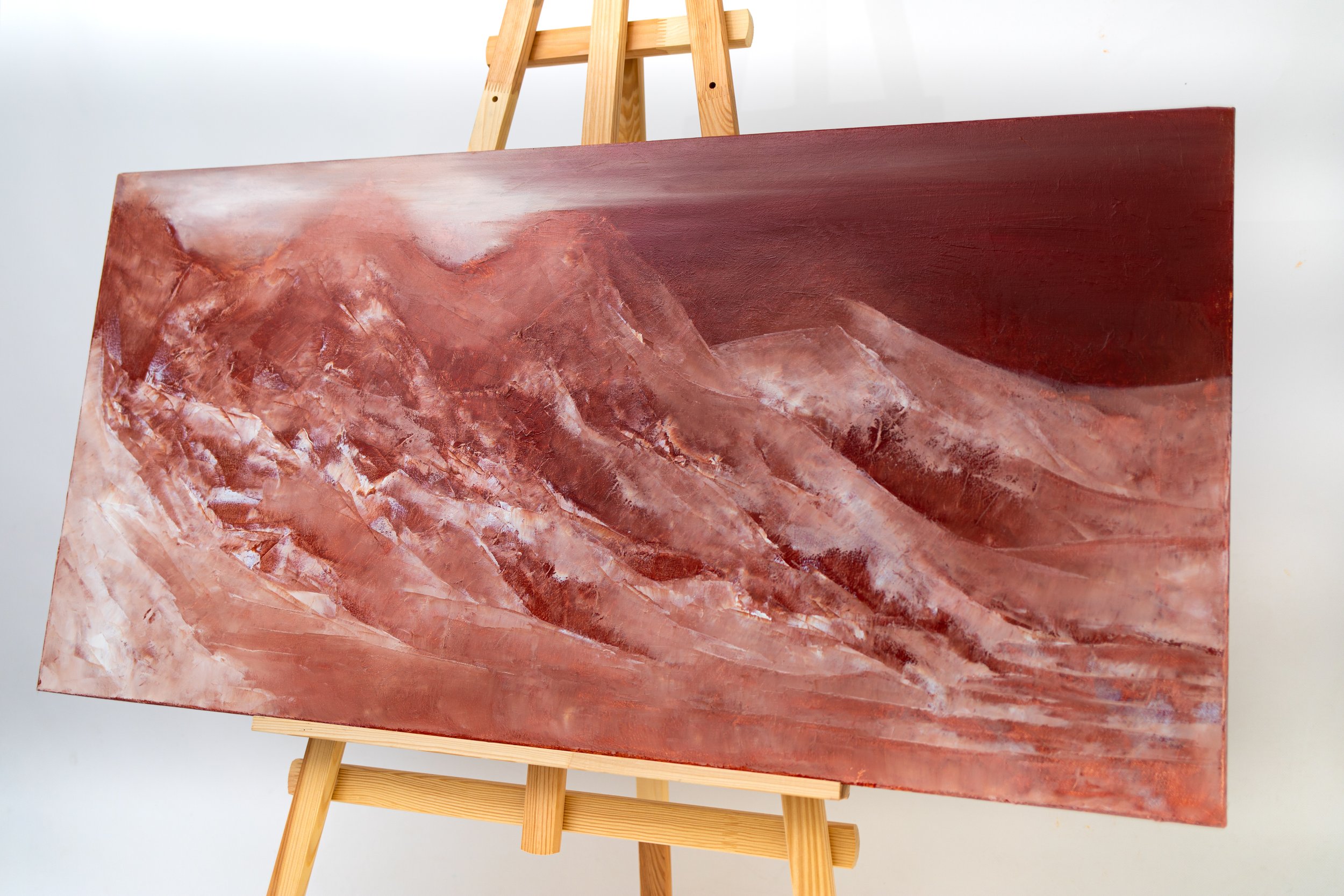
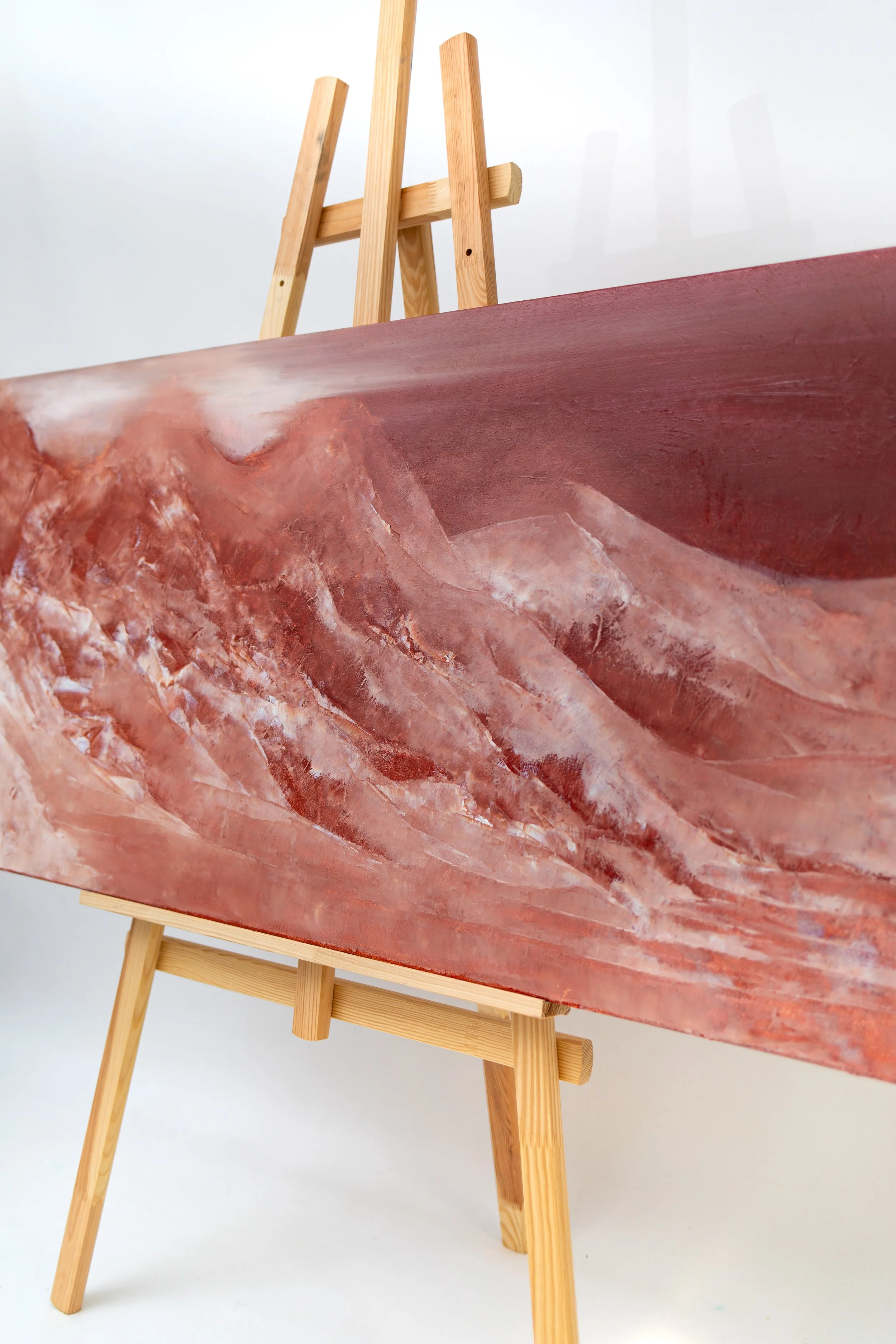
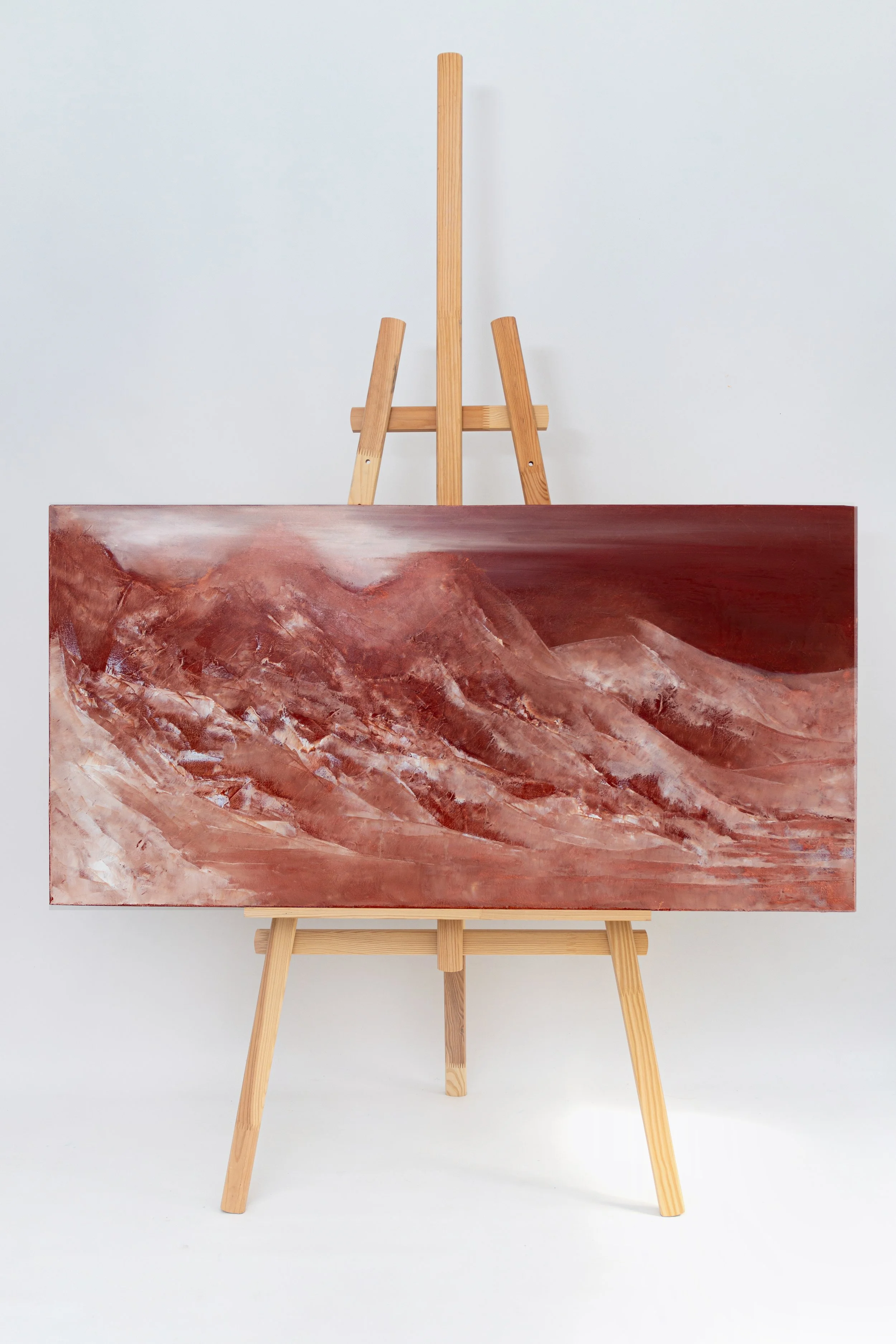
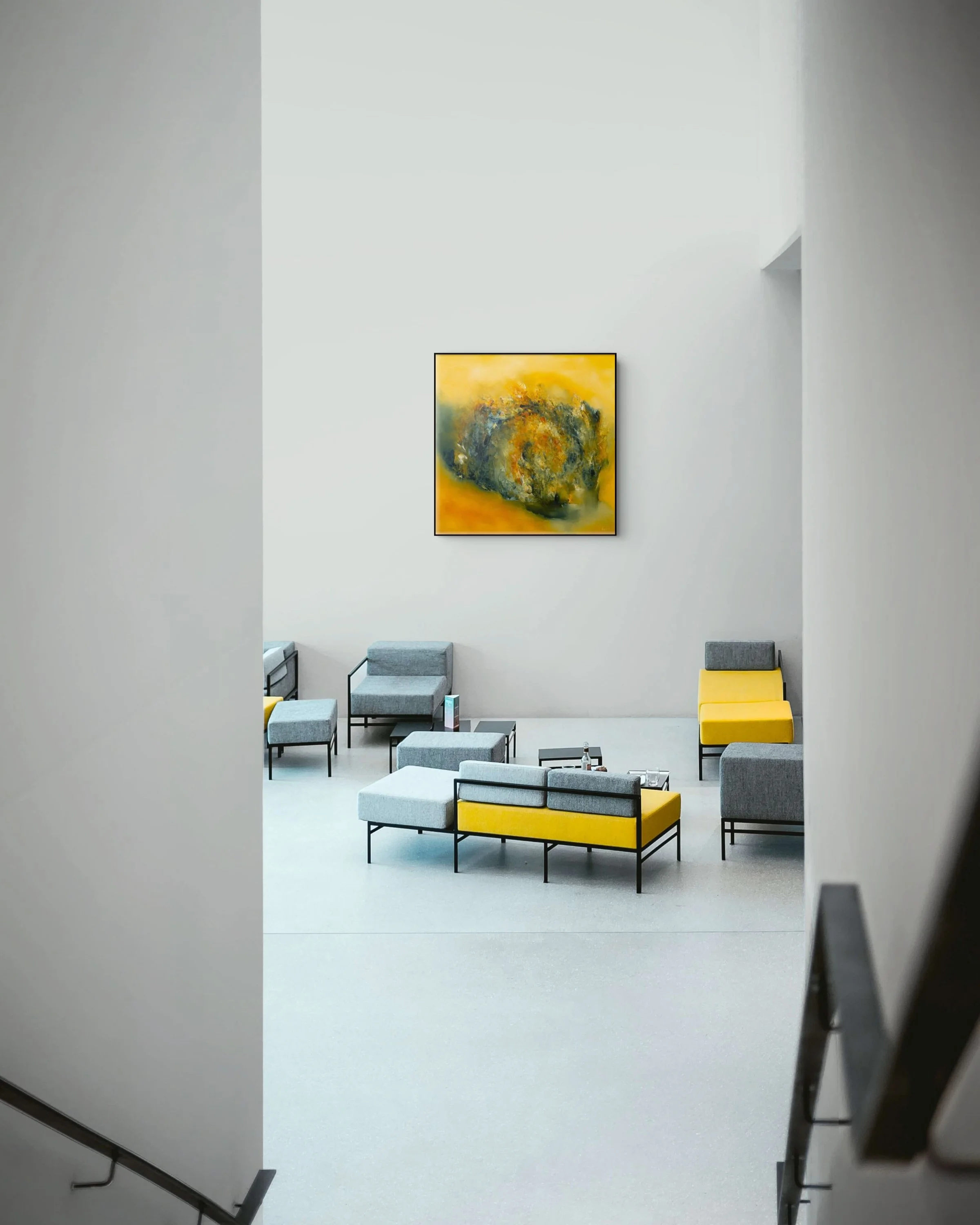
Oil on canvas · 100 × 100 cm · 2021
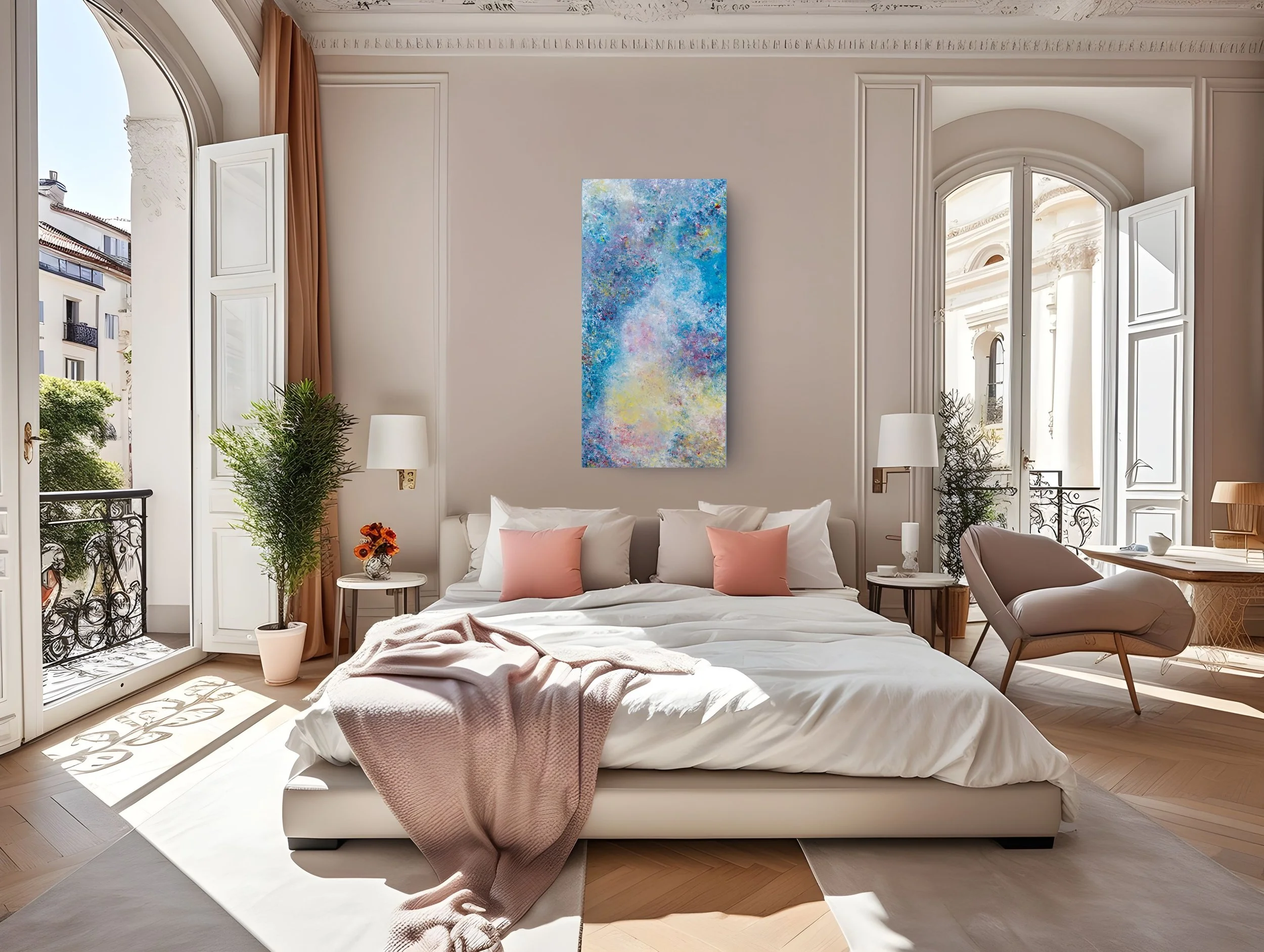
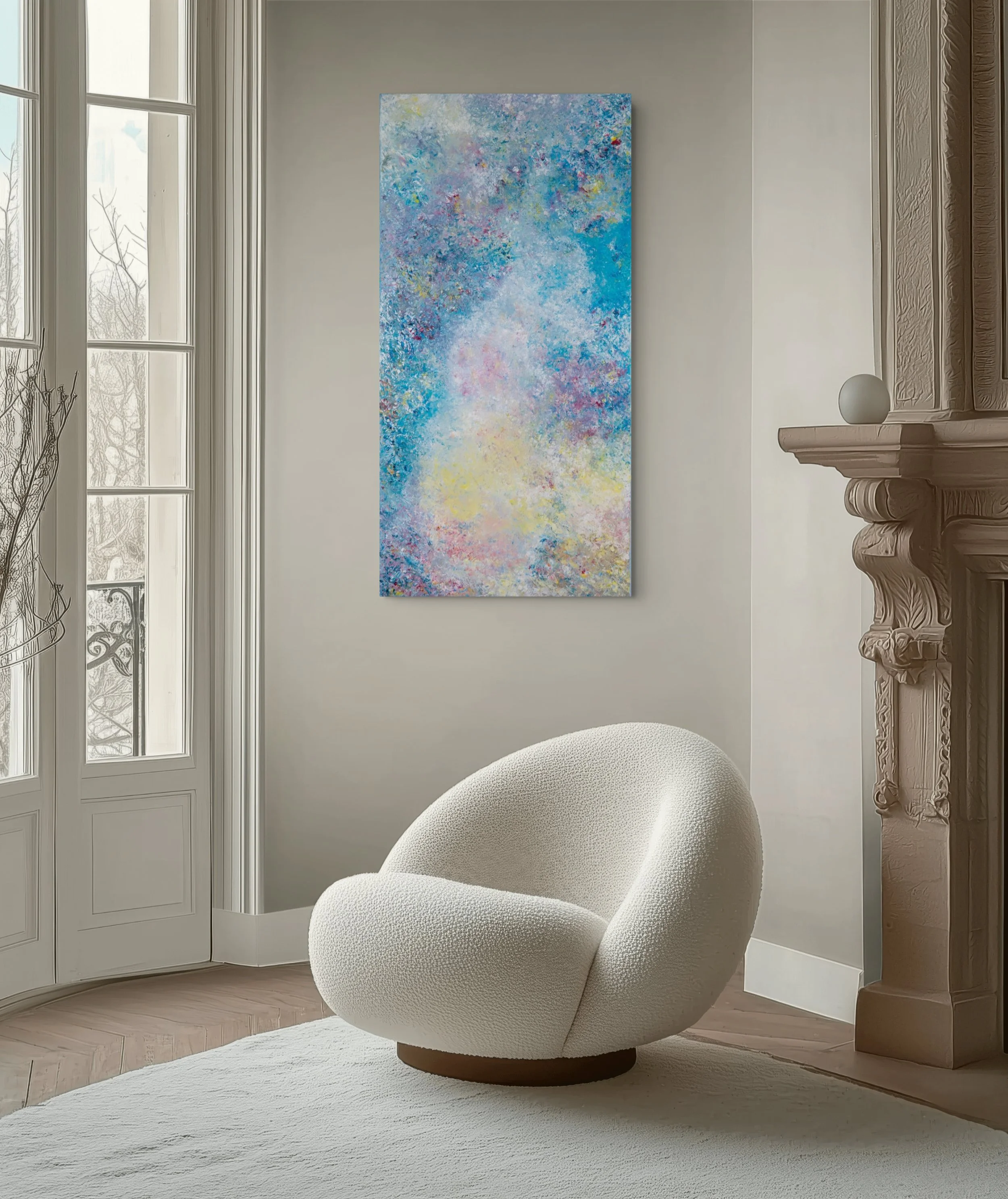
Created in the summer of 2021, World in Formation belongs to a particular historical moment, when a sense of stability was only beginning to return after a period of global uncertainty. The art world was witnessing both a powerful resurgence of figurative painting and a search for new ways of addressing nature, instability, and recovery. Kyrychenko, however, turns neither to a recognisable narrative nor to a literal record of events. Her concern is more fundamental: how does form become possible at all?
The work was originally associated with the idea of creation. With the distance of time, that idea can be understood more precisely - not as a metaphor for an “eternal cycle of nature,” but as an investigation into the very process by which form comes into being. How do disparate relationships of colour begin to register as structure? At what point does uncertainty become an image? And where does the artist’s action end and the work of the viewer’s perception begin?
This is why 2021 matters here as more than a date. The painting emerged at a time when the question of recovering a sense of wholeness carried a particular historical tension. World in Formation does not illustrate that condition, but its pictorial structure holds something of it: wholeness is not given in advance - it has to be assembled.
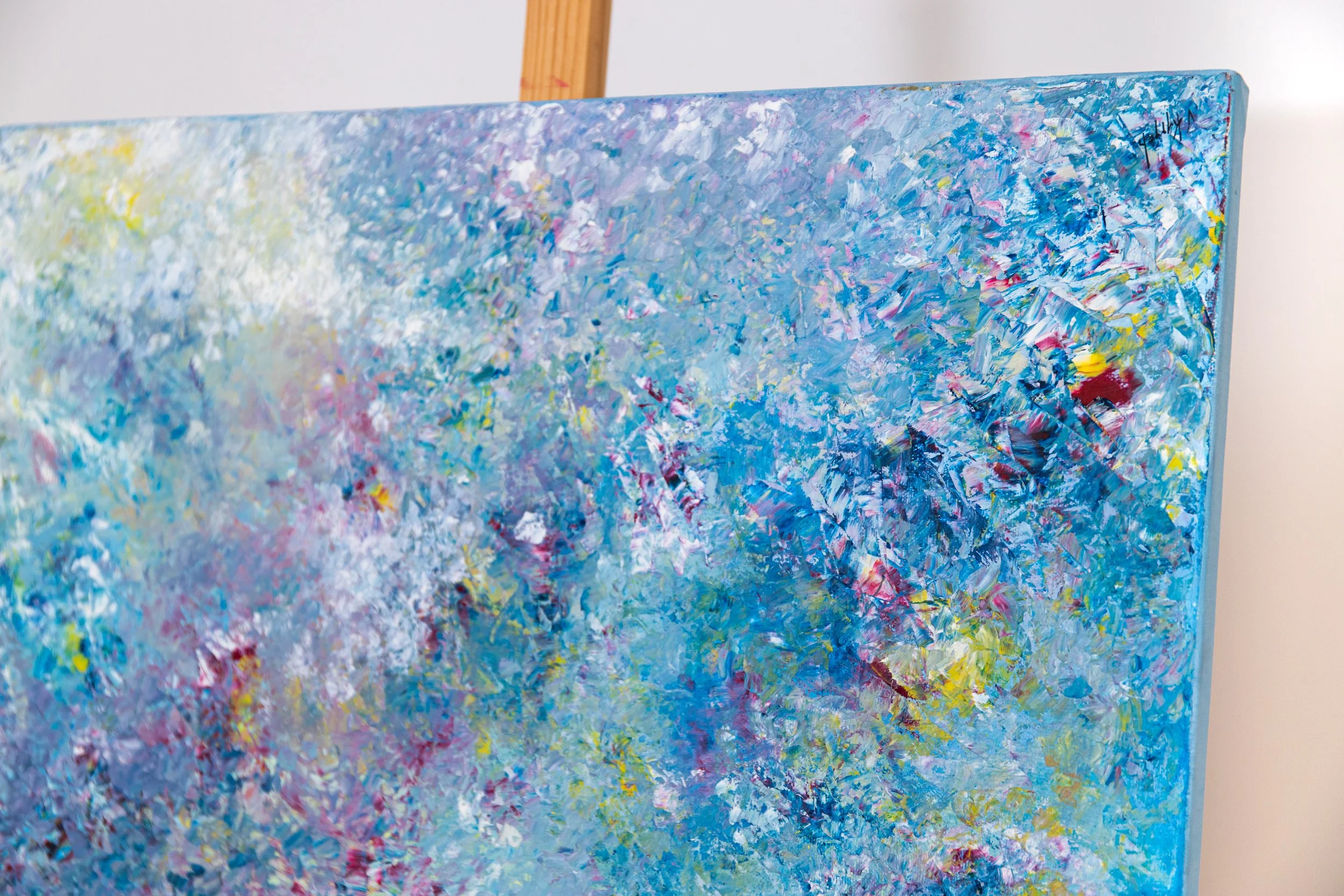
Within the broad field of colour, form remains deliberately unstable. For a moment it may suggest a mineral, a landscape, an organism, or an architectural structure, yet it settles into none of these readings. The viewer is held at the threshold of recognition: the eye attempts to organise what it sees into a coherent object, while the painting repeatedly returns it to colour, matter, surface, and light. Emergence and dissolution take place at the same time.
Over the past five years, the context in which such painting is encountered has also changed. Following a period marked by the rapid circulation of new names, digital acceleration, and the hyperproduction of images, contemporary culture has renewed its attention to materiality, the handmade, slow perception, and works that cannot be exhausted in a single glance. The physical experience of standing before an object has acquired a different significance - the need to look for longer, to register shifts in one’s own perception, and to participate in the construction of meaning.
Within this context, World in Formation does not need to be retrofitted for contemporary relevance. On the contrary, what was already embedded in the work has become more visible. The painting offers an experience opposed to the instantaneous consumption of a ready-made image: it does not complete the image on the viewer’s behalf. Form exists only for as long as the act of looking continues-assembling, dissolving, and re-emerging in perception.
It is precisely this quality that allows the work to move beyond the circumstances of its creation. In 2021, its internal tension could be read through experiences of instability and recovery. Today, that reading is joined by increasingly complex questions about our relationship to images, materiality, and the reliability of what we see. Future contexts will inevitably change again. Yet at the centre of the work remains a question that belongs to no single period: how do we create form from uncertainty, and a sense of wholeness from fragments?
As visual culture becomes faster, images easier to produce, and the boundary between what is seen and what is constructed increasingly difficult to define, that question acquires new meanings. World in Formation does not need its content to be updated with each successive era. What changes is the environment around the work, and it is precisely this historical distance that allows us to encounter anew a mechanism that has been present within the painting from the beginning.
The title World in Formation, therefore, does not refer to the depiction of any particular world. The act of formation itself becomes the subject of the work. The painting does not describe a reality that already exists; it creates the conditions in which colour, matter, and human perception gradually give rise to the possibility of a whole.
Time becomes not a measure of distance from the work’s creation, but an additional dimension of the work itself. What the viewer attempts to recognise within its indeterminate form may change, yet the painting continues to hold us at the same threshold-the moment at which an image that did not previously exist first begins to become real.
Oil on canvas · 100 × 100 cm · 2021
Created in the summer of 2021, World in Formation belongs to a particular historical moment, when a sense of stability was only beginning to return after a period of global uncertainty. The art world was witnessing both a powerful resurgence of figurative painting and a search for new ways of addressing nature, instability, and recovery. Kyrychenko, however, turns neither to a recognisable narrative nor to a literal record of events. Her concern is more fundamental: how does form become possible at all?
The work was originally associated with the idea of creation. With the distance of time, that idea can be understood more precisely - not as a metaphor for an “eternal cycle of nature,” but as an investigation into the very process by which form comes into being. How do disparate relationships of colour begin to register as structure? At what point does uncertainty become an image? And where does the artist’s action end and the work of the viewer’s perception begin?
This is why 2021 matters here as more than a date. The painting emerged at a time when the question of recovering a sense of wholeness carried a particular historical tension. World in Formation does not illustrate that condition, but its pictorial structure holds something of it: wholeness is not given in advance - it has to be assembled.
Within the broad field of colour, form remains deliberately unstable. For a moment it may suggest a mineral, a landscape, an organism, or an architectural structure, yet it settles into none of these readings. The viewer is held at the threshold of recognition: the eye attempts to organise what it sees into a coherent object, while the painting repeatedly returns it to colour, matter, surface, and light. Emergence and dissolution take place at the same time.
Over the past five years, the context in which such painting is encountered has also changed. Following a period marked by the rapid circulation of new names, digital acceleration, and the hyperproduction of images, contemporary culture has renewed its attention to materiality, the handmade, slow perception, and works that cannot be exhausted in a single glance. The physical experience of standing before an object has acquired a different significance - the need to look for longer, to register shifts in one’s own perception, and to participate in the construction of meaning.
Within this context, World in Formation does not need to be retrofitted for contemporary relevance. On the contrary, what was already embedded in the work has become more visible. The painting offers an experience opposed to the instantaneous consumption of a ready-made image: it does not complete the image on the viewer’s behalf. Form exists only for as long as the act of looking continues-assembling, dissolving, and re-emerging in perception.
It is precisely this quality that allows the work to move beyond the circumstances of its creation. In 2021, its internal tension could be read through experiences of instability and recovery. Today, that reading is joined by increasingly complex questions about our relationship to images, materiality, and the reliability of what we see. Future contexts will inevitably change again. Yet at the centre of the work remains a question that belongs to no single period: how do we create form from uncertainty, and a sense of wholeness from fragments?
As visual culture becomes faster, images easier to produce, and the boundary between what is seen and what is constructed increasingly difficult to define, that question acquires new meanings. World in Formation does not need its content to be updated with each successive era. What changes is the environment around the work, and it is precisely this historical distance that allows us to encounter anew a mechanism that has been present within the painting from the beginning.
The title World in Formation, therefore, does not refer to the depiction of any particular world. The act of formation itself becomes the subject of the work. The painting does not describe a reality that already exists; it creates the conditions in which colour, matter, and human perception gradually give rise to the possibility of a whole.
Time becomes not a measure of distance from the work’s creation, but an additional dimension of the work itself. What the viewer attempts to recognise within its indeterminate form may change, yet the painting continues to hold us at the same threshold-the moment at which an image that did not previously exist first begins to become real.