How to Choose Contemporary Art You'll Love for Decades
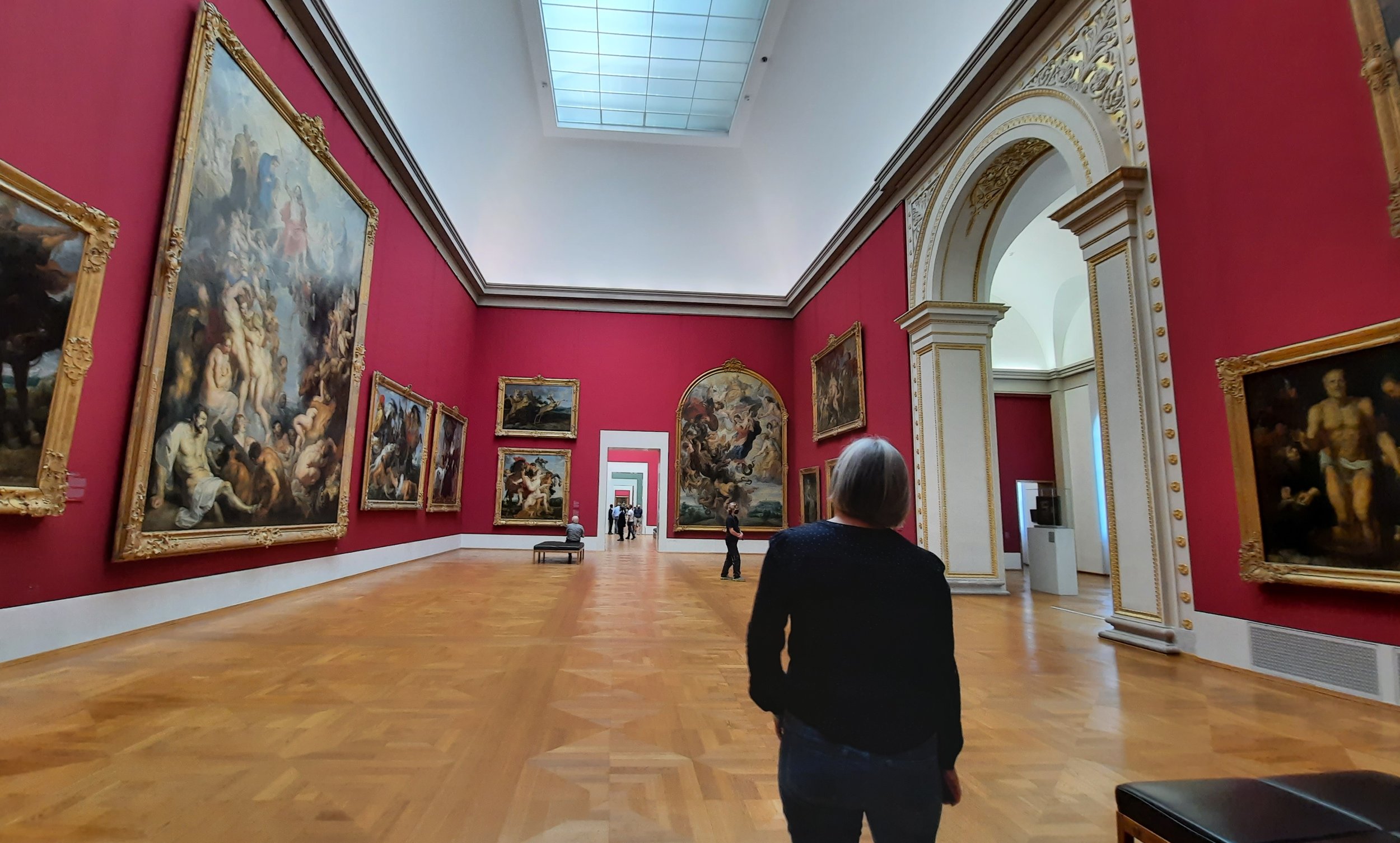
Most advice on buying contemporary art follows a familiar pattern. Learn about the artist's career. Look at their exhibition history. Ask for a certificate of authenticity. Consider whether the work might increase in value over time. All of these things matter. Yet they often overlook the question that, in the end, matters most.
Once a painting becomes part of your home, you will not spend your mornings looking at its certificate. You will not think about the artist's exhibition history every time you walk past it, nor will you reflect on its auction value while sharing dinner with your family. What you will live with is not the documentation or the investment potential. What you will live with is the painting itself.
This is why the most important question to ask when choosing a work of art is rarely the one people begin with. Not, "Is this painting worth the price?" but, "Will I still want to live with it twenty years from now?" The difference may seem subtle, yet it changes everything. A purchase ceases to be the end of a transaction and becomes the beginning of a relationship.
Twenty years from now, almost everything else will have changed. Your home may be different. Your routines, interests, and priorities will almost certainly have evolved. Children may have grown up. New people may have entered your life, while others may no longer be there. You will not be the same person you are today. That is why the real question is not only whether you love the painting now, but whether it is capable of accompanying you through the person you are still becoming.
The finest paintings rarely reveal themselves all at once. They are not built on immediate impact alone. Over time, you begin to notice things that once escaped your attention. A colour feels different in winter than it does in summer. A surface responds differently to the changing light throughout the day. What first appeared simple gradually reveals an unexpected complexity. Great paintings do not lose their power through familiarity. If anything, they deepen because of it.
We often choose the objects that fill our homes by asking how long they will last. A painting, however, belongs to a different kind of time. It does far more than occupy a wall. Quietly, almost unnoticed, it becomes part of the atmosphere of a place. It is present during conversations, celebrations, peaceful mornings, ordinary evenings, and countless moments that seem insignificant at the time but eventually become the memories that shape a life.
Over the years, something else begins to happen. We tend to think that we are the ones preserving the memory of a painting. Yet, with time, the opposite becomes true. The painting quietly becomes the keeper of the home's own history, holding within it the memory of the people who lived alongside it, the conversations it silently witnessed, and the everyday life that unfolded in its presence. Perhaps this is the moment when a work of art ceases to be merely part of a collection and becomes part of a family's story.
Perhaps this is why choosing contemporary art is never simply about finding something beautiful to hang on a wall. It is about inviting into your home a quiet companion that will remain with you for years to come. And perhaps, one day, you will realise that the most valuable thing about the painting was never what you saw on the day you bought it, but everything it came to witness in the decades that followed.
