Would You Love This Painting If You Didn't Know Who Made It?
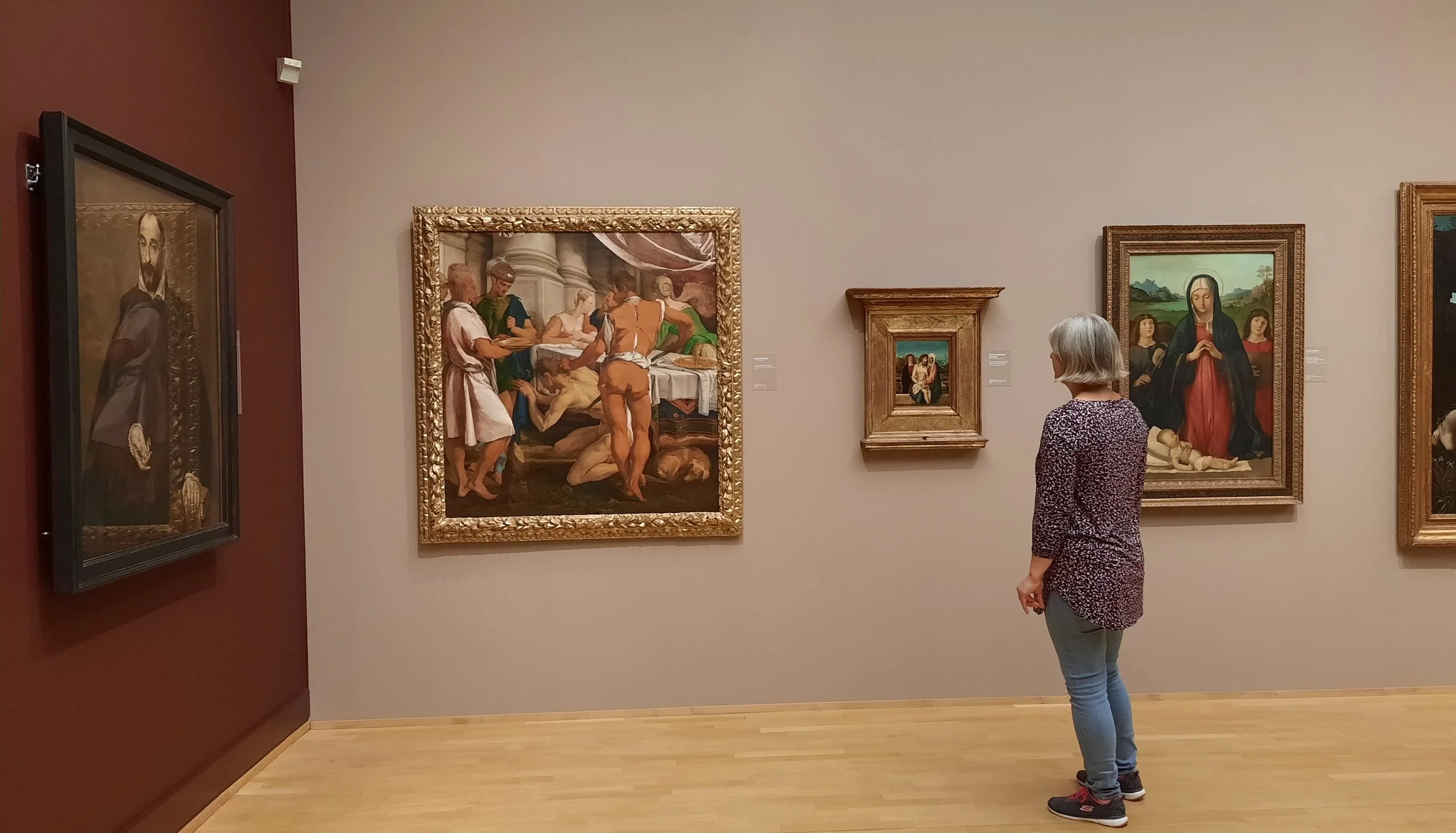
There is a question we almost never ask in a museum. Not because it is unimportant, but because by the time we find ourselves standing in front of a painting, the answer has already begun to take shape.
All it takes is reading the artist's name on the wall label, and the first encounter is no longer entirely a first encounter. Before our eyes have had time to settle on the surface of the painting, everything we already know - or believe we know - begins to influence the way we look. We remember books, exhibitions, reproductions, lectures, stories we once heard, auction records, and the opinions of critics. Sometimes a single name is enough to change the amount of time we are willing to spend in front of a work. The painting itself, however, has not changed. Only the way we see it has.
We tend to think that a work of art comes first and its story follows. Yet for the viewer, the opposite is often true. The story arrives before the painting. It shapes our expectations long before we begin to look. We never approach a work of art from a place of complete neutrality. We arrive carrying everything we have already learned, heard, and accepted as meaningful.
There is nothing unusual about this. Human beings have always relied on those who dedicate their lives to knowledge. Museums, curators, art historians, and collections exist because no one can discover every cultural connection alone. Yet I sometimes wonder whether something else quietly emerges alongside the painting itself - a second work, invisible but no less influential, made not of pigment but of trust. We trust the museum, the name, reputation, and history. Gradually, almost without noticing, it becomes difficult to tell where the painting ends and everything that helps us perceive it begins.
Perhaps that is why I keep returning to an almost impossible thought experiment. Imagine a museum where every label has disappeared. No names. No dates. No wall texts. No audio guide. No catalogue. Only paintings. Would visitors still follow the same path through the galleries? Would they linger before the same works? Or would certain masterpieces suddenly lose their gravity while other paintings, once overlooked, quietly begin to gather people around them?
This thought experiment proves nothing. But it reveals a question that is rarely asked.
What is it that we truly love? The painting itself, or the confidence that it has already been recognised?
Those are not quite the same thing.
A painting exists independently of what is written about it. Yet a work of art does not exist only on the canvas. It also exists within human perception, where image meets memory, expectation, trust, and cultural experience. Perhaps that is why the very same painting can become a different experience simply because a few words on a museum label have changed.
I do not see this as an argument against art history or against the institutions that preserve it. On the contrary, they safeguard works of art, study them, and reveal connections that most of us would never discover on our own. But there is one moment that no catalogue, biography, or critical essay can replace. It is the moment when a painting makes us stop, before we know who painted it, before we have read the explanation, and before we understand why it is considered important.
That, perhaps, is where the most honest conversation between a painting and its viewer begins. Everything we learn afterwards may deepen that conversation, but it should never begin it on the painting's behalf.
I sometimes think that truly remarkable paintings possess a rare quality. They do not rely on trust in order to hold our attention. They create that connection first, and only afterwards does their story begin to expand what we already felt. Perhaps that is why the most interesting question we can ask in a museum is not, "How important is this artist?" It is something much quieter, and much more difficult: "If I knew nothing about the person who painted this, would I still want to stay here for a few more minutes?" Perhaps that is where an independent way of seeing truly begins.
